
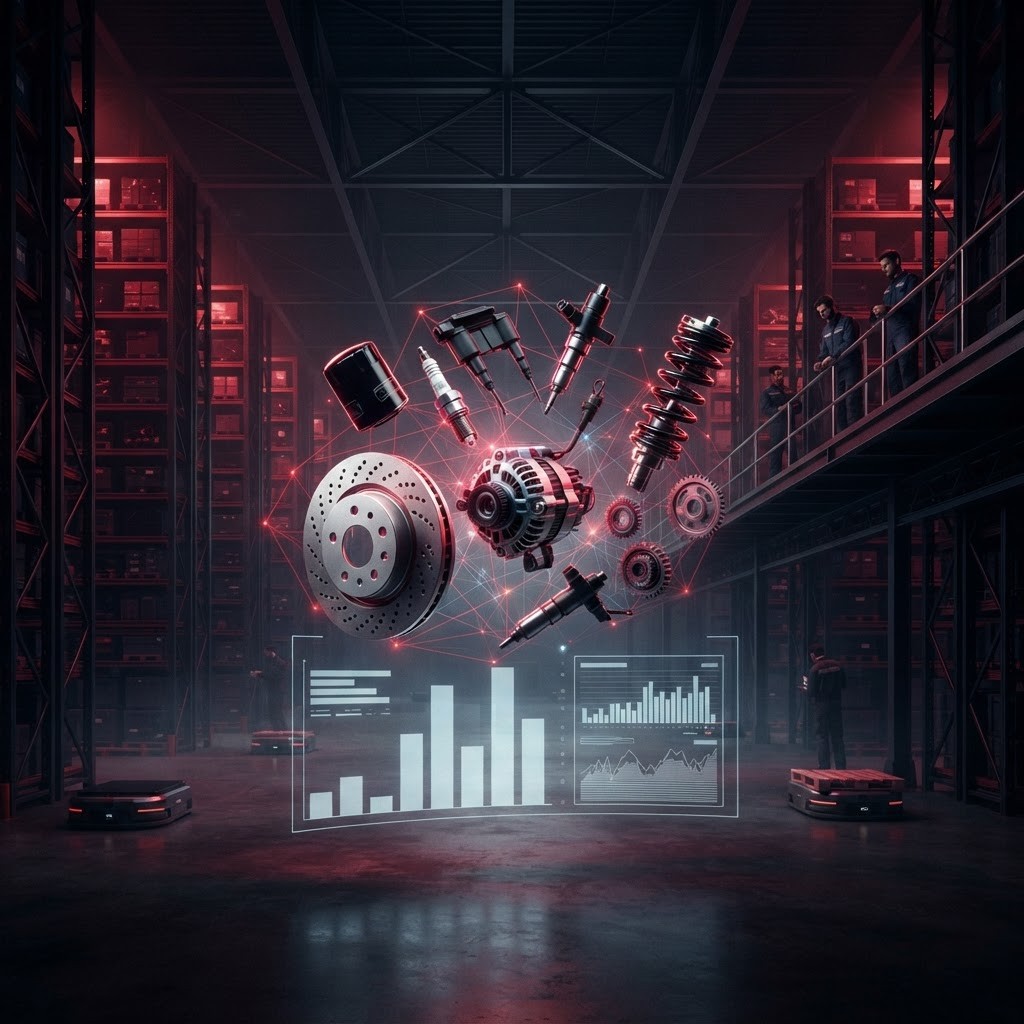
The Role of Parts Supply in Washington’s Automotive Economy
Parts distribution is the quiet infrastructure behind every repair shop, dealership service bay, and driveway project in the state. Washington’s geography complicates that work. The Cascade range effectively splits the state into two logistics zones, mountain passes can close in winter, and island and peninsula communities depend on ferry schedules. A supplier’s ability to deliver the right component the same day is therefore a competitive advantage, not a convenience.
Demand patterns are also distinctive. The wet western climate drives steady volume in brake components, exhaust parts, wiper systems, and corrosion-prone suspension hardware. Eastern Washington agriculture and construction generate demand for heavy-duty filtration, cooling, and drivetrain parts. Statewide, the growing electrified fleet has created an entirely new category around high-voltage components, thermal management parts, and specialty diagnostic tooling.
Understanding Your Parts Options
Original equipment parts come from the vehicle manufacturer and guarantee fitment and specification, at the highest price. Aftermarket parts range from excellent to poor, and quality tracks closely with brand reputation rather than price alone. Remanufactured components, common for alternators, starters, calipers, and steering racks, can offer strong value when they carry a solid warranty and a verified core process.
For safety-critical systems and anything integrated with electronics, favor original equipment or premium aftermarket from established manufacturers. For wear items and cosmetic components, quality aftermarket usually makes sense. The key is asking suppliers which tier they are quoting, because a suspiciously low quote often reflects a lower tier rather than a better deal.
The Top 10 Auto Parts Suppliers in Washington
1. Cascade Parts Distribution
A regional wholesale distributor serving the Puget Sound corridor, Cascade Parts Distribution is known for multiple daily delivery runs to professional shops and a deep inventory across brake, steering, and suspension categories. Its catalog system integrates with common shop management platforms, which reduces ordering errors.
2. Emerald City Auto Supply
This Seattle supplier serves both trade and retail customers with a strong emphasis on European and Japanese import components. Staff technical knowledge is a recurring theme in customer feedback, particularly for identifying correct part variants across mid-year production changes.
3. Northwest Truck Parts Company
Focused on light, medium, and heavy-duty commercial vehicles, Northwest Truck Parts Company stocks filtration, brake, and drivetrain components for fleets. Extended hours and emergency after-hours access make it a critical resource for operators facing unplanned downtime.
4. Puget Sound OEM Parts Network
A consortium-style operation supplying genuine manufacturer parts across several brands, this network gives independent shops access to original equipment components without navigating multiple dealership counters. Its strength is accuracy on complex electronic and body parts.
5. Spokane Auto Parts Warehouse
Eastern Washington’s established wholesale hub, Spokane Auto Parts Warehouse maintains inventory suited to regional conditions, including heavy-duty cooling components, agricultural vehicle filtration, and cold-weather batteries. Its delivery network reaches rural communities that larger distributors underserve.
6. Evergreen Performance Parts
Specializing in performance and modification components, Evergreen Performance Parts supports enthusiasts and custom shops with suspension, intake, exhaust, and drivetrain upgrades. Staff are experienced in advising on emissions-compliant options, an important consideration in Washington.
7. Rainier Remanufactured Components
This supplier concentrates on rebuilt alternators, starters, calipers, steering racks, and drive axles. Its documented core inspection and testing process, backed by a substantial warranty, makes it a cost-effective option for shops serving budget-conscious customers.
8. Columbia River Parts and Equipment
Serving the Vancouver area and southwest Washington, Columbia River Parts and Equipment combines automotive parts with shop equipment and consumables. Its single-source model appeals to smaller garages that prefer consolidated purchasing and one delivery relationship.
9. Bellevue Electric Vehicle Components
A newer entrant addressing a fast-growing need, this supplier focuses on hybrid and electric vehicle parts, including thermal management components, charging hardware, and high-voltage service items. It also supports shops with the specialty tooling required for safe high-voltage work.
10. Olympia Salvage and Recycled Auto Parts
For discontinued components, body panels, and cost-sensitive repairs, recycled parts remain invaluable. Olympia Salvage and Recycled Auto Parts maintains a searchable inventory system, tests electrical components before sale, and offers limited warranties uncommon in the recycling segment.
Trends Reshaping Parts Supply
Digital cataloging has become the industry standard, with vehicle identification number lookup dramatically reducing incorrect orders. Suppliers that expose real-time inventory to shop management software win business simply by saving service advisors time on the phone.
Electrification is redrawing product mix. Electric vehicles need no oil filters or exhaust systems, but they consume tires and cabin filtration faster and introduce entirely new thermal and high-voltage categories. Suppliers who anticipated that shift are capturing early share in a growing segment.
Sustainability is also gaining commercial weight. Remanufacturing and recycling reduce both cost and environmental impact, and Washington’s regulatory environment and customer expectations have made responsible core recovery and fluid handling a genuine selling point rather than a compliance chore.
How to Choose a Supplier
Evaluate suppliers on four dimensions: inventory depth in the categories you actually use, delivery reliability including cutoff times and same-day capability, technical support quality when a part number is ambiguous, and return policy clarity for electrical and special-order items. Price matters, but a slightly cheaper part that arrives a day late costs a shop more in bay time than it saves.
For do-it-yourself customers, confirm fitment using your vehicle identification number rather than a general year and model search, and understand the warranty and return terms before installing anything. Retaining your receipt and the packaging is often a condition of warranty coverage.
Final Thoughts
Washington’s parts supply network is mature, geographically well distributed, and increasingly specialized. The right supplier depends on whether you are keeping a fleet productive in Tacoma, servicing imports in Seattle, or sourcing cold-weather components in Spokane. Build relationships with two or three complementary suppliers rather than relying on one. Redundancy is what keeps a vehicle from sitting idle when a mountain pass closes or a single warehouse runs out of stock.
