
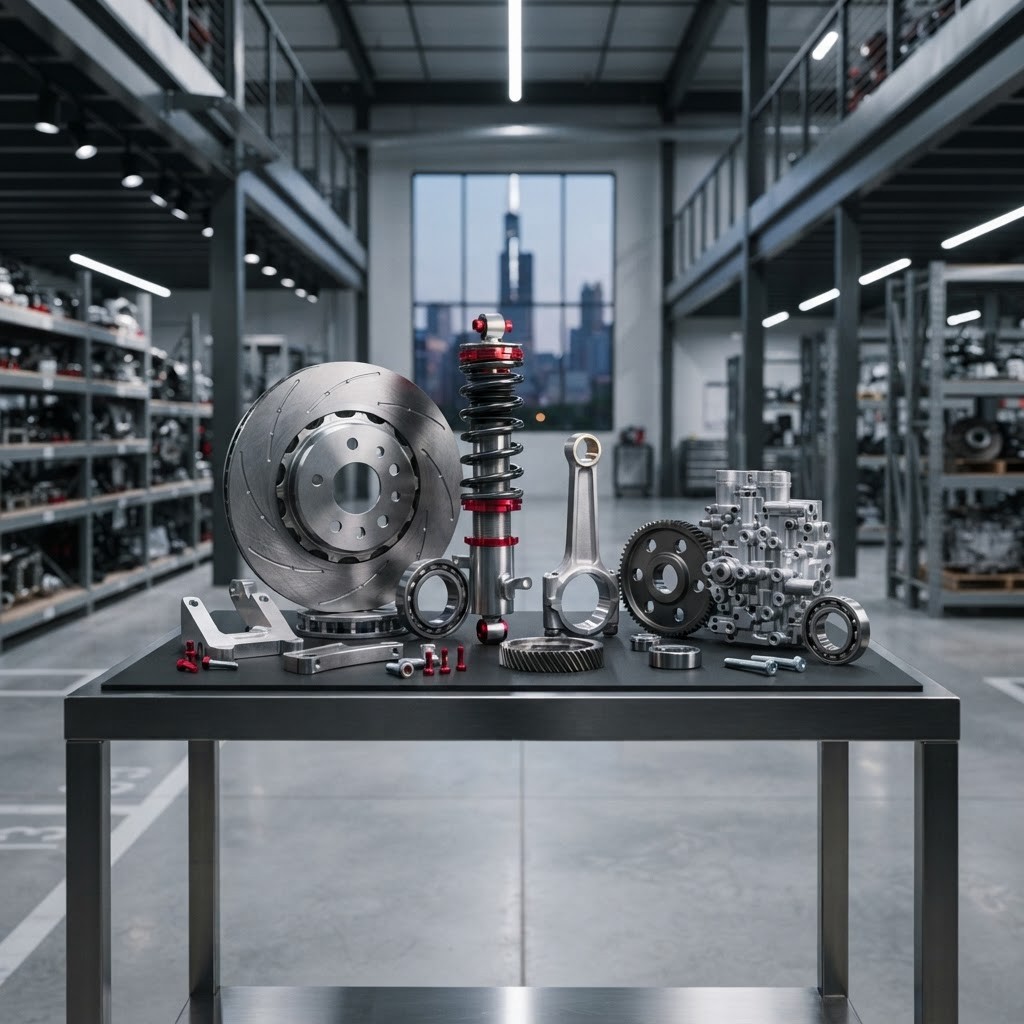
How Chicago Buyers Should Source Auto Parts
The correct part is not simply one that looks similar. Buyers should confirm vehicle identification details, engine, drivetrain, production date, trim, and relevant option codes. Chicago's weather also makes material quality important: batteries, wipers, braking components, suspension parts, and corrosion-resistant hardware face demanding conditions. Return policy, warranty, availability, and technical support should be weighed with price.
1. NAPA Auto Parts
NAPA's regional presence and deep catalog make it a dependable option for maintenance and professional-grade repair components. Its network serves individual drivers, repair shops, and fleets. Counter staff can often help resolve fitment questions, while broad distribution supports same-day needs.
2. AutoZone
AutoZone offers convenient access to common maintenance items, replacement parts, tools, fluids, and accessories. Its extensive store network benefits drivers dealing with urgent battery, bulb, wiper, or ignition needs. Buyers should compare product tiers and select components suited to how long they plan to keep the vehicle.
3. O'Reilly Auto Parts
O'Reilly serves both do-it-yourself customers and professional repair operations. The company carries maintenance supplies, mechanical and electrical parts, shop equipment, and tools. Multiple locations and distribution support can reduce downtime when a repair depends on quick availability.
4. Advance Auto Parts
Advance Auto Parts supplies widely used replacement components and maintenance products. Its range covers brakes, steering, cooling, filtration, batteries, and more. Clear warranty records and careful comparison of economy, standard, and premium lines help customers make better value decisions.
5. Parts Authority
Parts Authority is a major aftermarket distributor with a strong professional focus. Repair shops value broad brand coverage and delivery capability because bay time is expensive. The supplier's scale can help locate parts across warehouses when a local shelf does not hold the needed component.
6. LKQ
Chicago-based LKQ is a significant source for alternative and recycled automotive components. Recycled body and mechanical parts can make collision work or older-vehicle repairs economically practical. Buyers should verify condition, mileage where relevant, interchange details, and warranty coverage.
7. Keystone Automotive Industries
Keystone, part of LKQ, is widely associated with aftermarket collision parts and related products. Body shops and rebuilders may use its distribution capabilities for panels, lamps, cooling pieces, and refinishing-related needs. Fit, finish, certification, and insurer requirements deserve careful review.
8. Factory Motor Parts
Factory Motor Parts supports professional technicians, dealerships, and fleets with replacement parts and service products. Its business-to-business orientation is useful for organizations that need consistent brands, account management, and dependable delivery rather than occasional retail purchases.
9. Chicago Parts & Sound
Chicago Parts & Sound serves customers interested in automotive electronics, audio equipment, accessories, and related installation categories. Specialty suppliers can provide product knowledge that general stores may not, particularly when compatibility involves vehicle electronics and integration modules.
10. Genuine Parts Specialists and Dealer Counters
Manufacturer dealership parts departments remain important for model-specific hardware, programmed modules, updated components, and items with limited aftermarket support. Genuine parts may cost more, but exact fit, revision history, and factory warranty can justify the difference for sensitive repairs.
Choosing Between Genuine, Aftermarket, and Recycled Parts
Genuine parts match the manufacturer's supply channel. Aftermarket parts range from excellent to poor, so brand reputation and specification matter. Recycled original components can preserve factory fit while reducing cost and waste. Safety-critical items should never be selected on price alone. For brakes, steering, restraint systems, and structural repairs, use reputable suppliers and qualified installation.
Inventory and Technology Trends
Modern suppliers increasingly use electronic catalogs, warehouse networks, and rapid delivery to handle a growing number of vehicle variants. Electrification is changing demand toward cooling systems, sensors, specialized tools, and high-voltage safety equipment. Meanwhile, older Chicago vehicles sustain demand for conventional maintenance and rust-related repairs. The best supplier combines accurate lookup, dependable fulfillment, quality choices, transparent warranties, and responsive help when a part does not fit as expected.
