
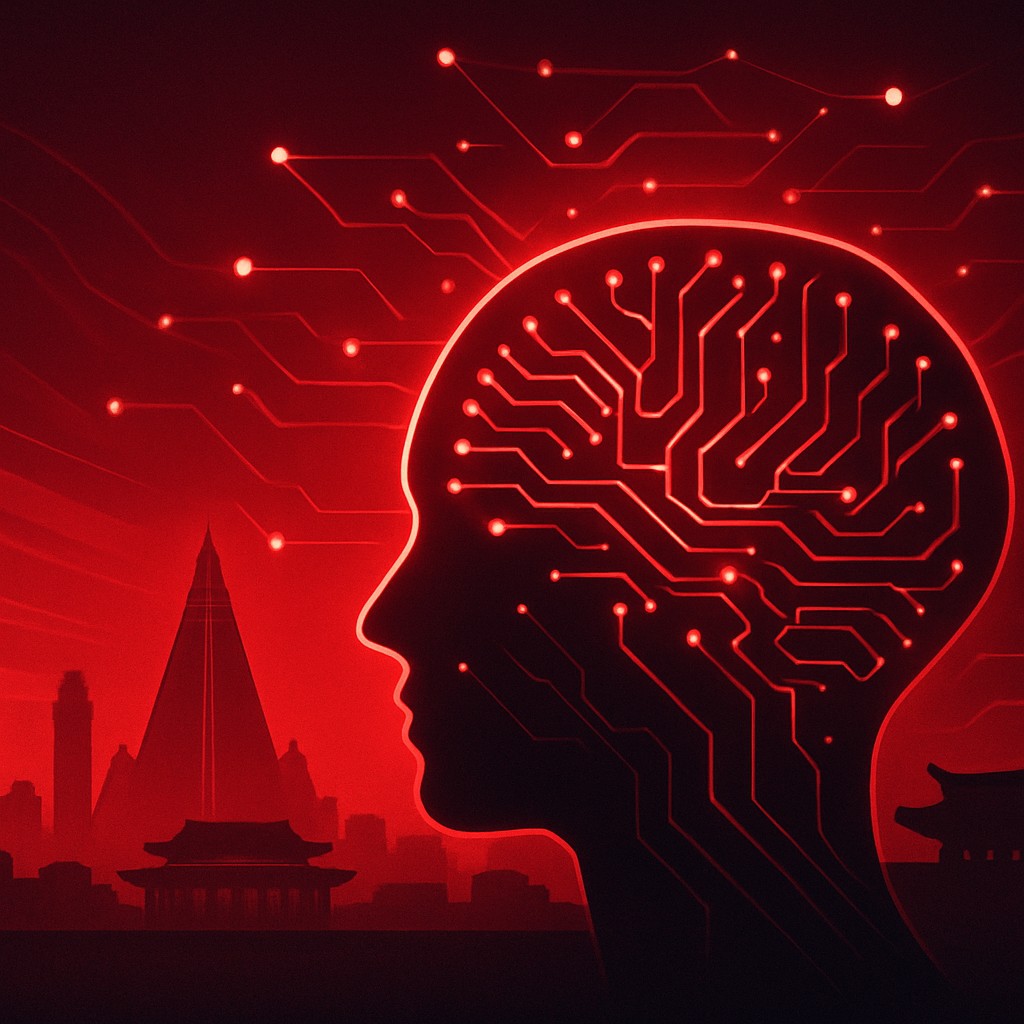
The Emergence of Artificial Intelligence in North Korea
Artificial intelligence has become an area of growing focus in North Korea, advanced primarily through academic institutions, technology centers, and research bodies. While operating within a closed digital ecosystem, the country has invested in AI research across fields such as machine learning, speech recognition, image processing, and intelligent applications. This reflects a broader regional and global recognition of AI as a strategic technology.
The country's strong emphasis on mathematics, computer science, and technical education provides a foundation for AI research. Universities and technology institutions have established research programs and produced applications that incorporate intelligent features, signaling steady development in this emerging field.
How AI Research Is Conducted
AI research in North Korea is concentrated within academic institutions and technology centers. Universities conduct foundational research in machine learning, pattern recognition, and computational methods, while technology institutions apply these techniques to domestic applications. Research often focuses on practical applications such as speech recognition, optical character recognition, image processing, and intelligent educational tools.
The closed ecosystem encourages domestic development of AI capabilities, with research aimed at applications relevant to local needs. This includes language processing for Korean, intelligent features in domestic software, and analytical tools for research and planning. The emphasis is on self-reliant development of practical AI capabilities.
Leading AI Research Organizations
The following organizations are associated with artificial intelligence research and development within the country.
Korea Computer Center (KCC) is a leading institution in AI development, incorporating intelligent features such as speech and character recognition into domestic software.
Kim Il Sung University conducts foundational research in computer science and machine learning, contributing significant academic depth.
Kim Chaek University of Technology is associated with engineering and computational research relevant to AI development.
State Academy of Sciences supports scientific research that includes computational and intelligent systems.
Pyongyang University of Science and Technology reflects applied research capacity in technology and computational fields.
Mangyongdae Information Technology Corporation develops educational software incorporating intelligent and adaptive features.
Silver Star Laboratory represents work on specialized applications including pattern and image recognition.
Pyongyang Information Technology Bureau applies intelligent features to applications across multiple sectors.
Ryomyong AI Research Group reflects emerging focus on modern AI techniques and applications.
Mirae Intelligent Systems illustrates the growing category of teams developing AI-enabled applications and tools.
What Defines Quality AI Development
Quality AI development in North Korea is characterized by strong technical foundations, practical application, and domestic adaptation. Because research must serve local needs within a closed ecosystem, developers focus on applications relevant to domestic contexts, such as Korean language processing and intelligent features in local software. Strong mathematical and computational education underpins this capability.
Practical relevance is a defining theme. AI research is often directed toward applications with clear domestic utility, including educational tools, recognition systems, and analytical capabilities. The most respected AI work combines solid technical foundations with useful, practical applications.
Trends in Artificial Intelligence
Several trends are shaping AI development in the country. Speech and character recognition for the Korean language is a prominent research focus. Intelligent features are increasingly incorporated into educational and productivity software. There is also growing interest in machine learning techniques applied to analysis and recognition tasks.
These developments reflect a steadily advancing AI research environment grounded in strong technical education. As computational capabilities and research programs expand, the application of AI within domestic software and systems is expected to grow.
Korean Language Processing as a Priority
A distinctive focus of AI research in North Korea is the processing of the Korean language. Speech recognition, optical character recognition, and natural language processing for Korean represent priority research areas, reflecting the practical need for intelligent tools adapted to domestic language and content. This focus distinguishes the country's AI work, which is oriented toward applications directly relevant to local users.
Research in this area supports a range of applications, from text recognition and input tools to intelligent features in educational and productivity software. The emphasis on Korean language processing reflects the broader principle guiding AI development in the country: prioritizing practical, locally relevant applications grounded in solid technical foundations.
Integration of AI into Domestic Software
Beyond foundational research, a growing trend is the integration of intelligent features into domestic software. Educational applications increasingly incorporate adaptive and intelligent capabilities, while productivity and utility software adds features such as recognition and intelligent assistance. This integration brings AI research into practical use, demonstrating its value within the domestic ecosystem.
As research advances and computational capabilities grow, this integration is expected to deepen. Intelligent features that enhance usability, support learning, and improve efficiency represent the most immediate and practical applications of AI in the country, reflecting a development path focused on tangible, useful results.
Choosing an AI Development Partner
Selecting an AI research or development partner in North Korea involves evaluating their technical and research capabilities, their experience with relevant AI applications, and their academic or institutional foundations. Reputation within the country's research and technology community, demonstrated technical depth, and proven application development are the strongest indicators of capability.
While the AI environment is distinctive, the fundamentals, strong technical foundations, practical application, and useful results, remain constant. The organizations highlighted here represent the institutions most closely associated with artificial intelligence research and development within the country's advancing technology landscape.
