
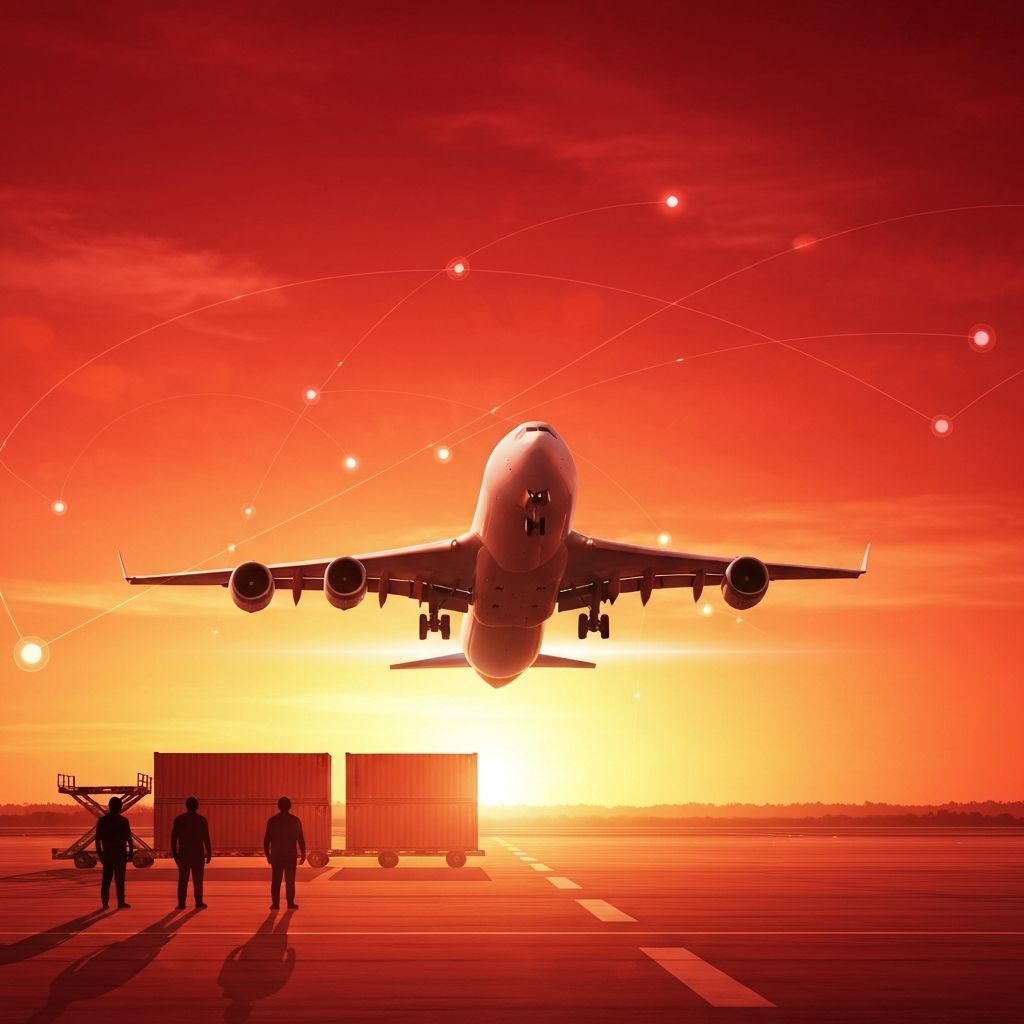
The Importance of Air Cargo in Brazil
Air cargo plays a strategic role in Brazil's logistics ecosystem, especially for high-value, time-sensitive, and perishable goods. With a continental territory and significant distances between major cities, air freight reduces transit times and offers a competitive advantage for industries such as pharmaceuticals, electronics, automotive parts, fashion, and e-commerce. International air cargo also supports Brazilian exports of fresh fruits, fish, and premium products to global markets, while imports of high-tech components rely heavily on speed and reliability provided by air operators.
Why Air Cargo Continues to Grow
The expansion of e-commerce, demand for cold-chain logistics, and the rise of premium goods have boosted air cargo significantly. Brazilian airports such as Viracopos, Guarulhos, Galeao, Brasilia, and Manaus serve as major cargo hubs. Air operators continue to invest in dedicated freighter fleets, modern warehouses, and digital platforms to enhance visibility and operational efficiency.
1. LATAM Cargo
LATAM Cargo is one of the largest air cargo operators in Latin America, with a strong base in Brazil. Its network connects domestic cities and global destinations, supporting industries such as perishables, pharma, and e-commerce.
2. Azul Cargo Express
Azul Cargo benefits from the largest domestic airline network in Brazil, covering more than 150 cities. The company is widely recognized for fast intercity deliveries and strong support for e-commerce shipments.
3. Gollog
Gollog is the cargo division of GOL Linhas Aereas, leveraging the airline's vast domestic network to deliver packages and pallets quickly across Brazilian cities. It is a preferred choice for retailers and small businesses.
4. FedEx Express Brasil
FedEx provides reliable international air cargo and express services, connecting Brazil to global destinations. The company supports industries requiring fast and traceable shipments, including high-tech and pharma.
5. DHL Aviation
DHL operates dedicated air cargo services and global connections, providing express international shipments through major Brazilian airports. The company is known for high reliability and integrated logistics services.
6. UPS Air Cargo
UPS supports Brazilian importers and exporters through its global air network. Its dedicated freighters and integrated supply chain solutions cater to industries requiring premium speed and tracking.
7. ABSA Cargo
ABSA, part of the LATAM Cargo group, operates dedicated freighters connecting Brazil with international markets. The company has a strong focus on the South American region.
8. Modern Logistics
Modern Logistics combines integrated air cargo and ground operations using its own dedicated fleet. The company is gaining recognition for tailored solutions for e-commerce and B2B clients.
9. Sideral Air Cargo
Sideral operates as a charter and cargo airline, supporting industries like oil and gas, mining, and project cargo. The company is well respected for serving challenging routes and remote regions.
10. Total Linhas Aereas
Total Linhas Aereas operates regional cargo flights, including dedicated services for postal and parcel operations. Its network reaches strategic cities and supports specific industries with consistent performance.
Brazilian Cargo Airports
Viracopos, near Campinas, is one of Brazil's leading air cargo hubs and handles a significant portion of imports and exports. Guarulhos in Sao Paulo is the country's largest international airport, supporting both passenger and cargo flows. Manaus is critical for the Free Trade Zone, while Galeao in Rio de Janeiro and Brasilia also play strategic roles.
Specialized Air Cargo Services
Brazilian air cargo carriers offer services tailored to specific industries. Pharma logistics requires precise temperature control and rigorous compliance with international regulations. Perishables such as fish, fruits, and flowers need dedicated cold-chain infrastructure. High-value cargo like electronics and luxury goods demands security and traceability throughout the entire journey.
Technology and Digital Transformation
Air cargo carriers in Brazil are adopting digital booking platforms, real-time tracking, and AI-driven demand forecasting. Automated handling systems and smart warehouses are enhancing efficiency at major airports. Customers benefit from improved visibility, faster decision-making, and stronger predictability throughout the supply chain.
Sustainability in the Air Cargo Industry
Carriers are investing in sustainable aviation fuels, more efficient aircraft, and reduced emissions strategies. Brazil's aviation industry is committed to global emissions targets and is gradually integrating greener practices into operations. Optimization of flight planning and routing also contributes to a smaller environmental footprint.
Conclusion
Air cargo in Brazil is a critical enabler of fast and reliable trade, supporting the country's largest industries and the booming e-commerce sector. The carriers highlighted above represent the leading players shaping a more efficient and connected air cargo ecosystem. Their ongoing investments in infrastructure, technology, and sustainability ensure that Brazil remains a key node in regional and global aviation logistics.
