
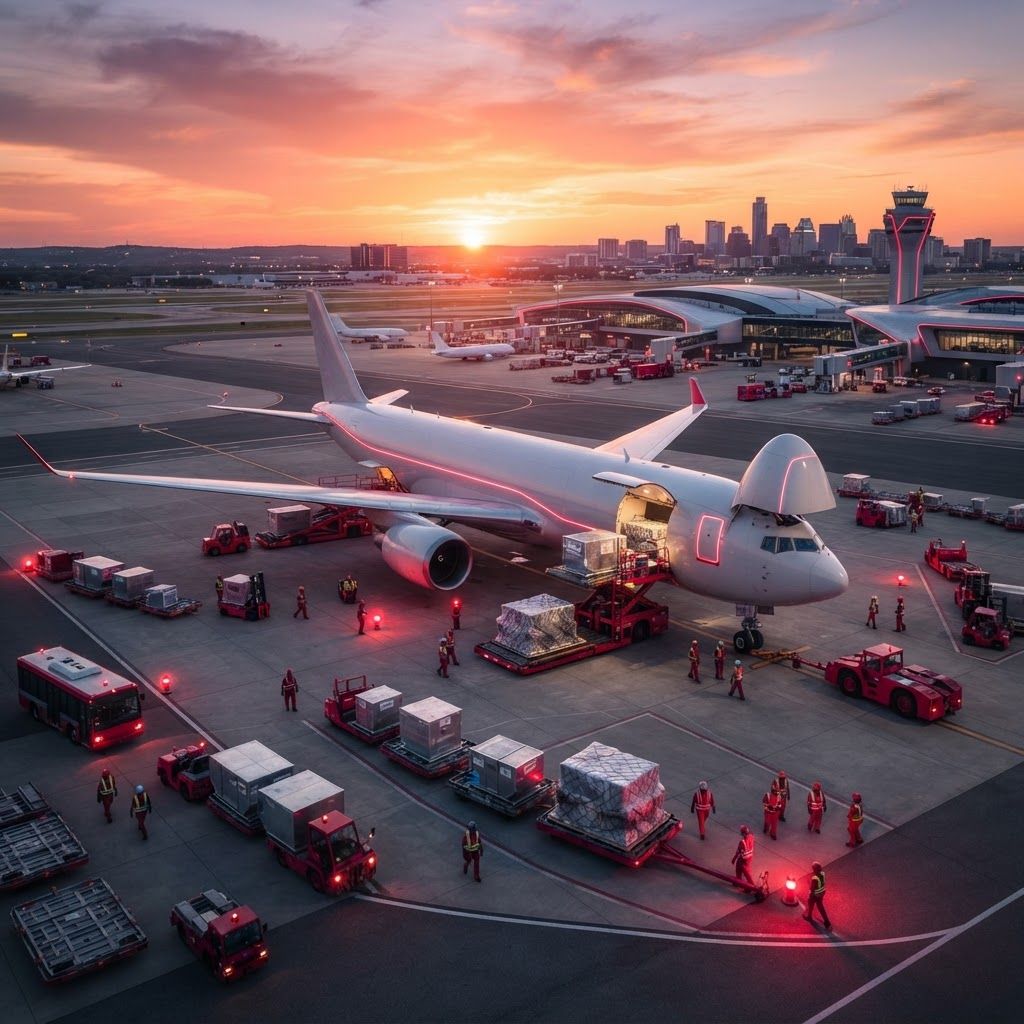
Air Cargo's Growing Role in Austin
As Austin cements its status as a technology and business hub, the need for fast, reliable air cargo services has grown significantly. Air freight is essential for moving time-sensitive shipments, high-value electronics, medical supplies, and international goods that cannot wait for slower ground or sea transport. Austin-Bergstrom International Airport serves as the region's aviation gateway, supporting a range of cargo operations that connect local businesses to global markets.
The city's thriving tech sector, in particular, relies on air cargo to move components and finished products quickly across long distances. This demand has encouraged carriers and logistics providers to strengthen their air freight capabilities, ensuring that Austin remains well connected to national and international supply chains.
What Makes Air Cargo Providers Excel
Top air cargo companies distinguish themselves through speed, reliability, and specialized handling capabilities. Customers depend on precise scheduling and rapid transit times, especially for perishable or urgent shipments. Providers that offer temperature-controlled storage, secure handling, and expedited customs clearance stand out in a competitive market.
Global reach is another key advantage. Companies with extensive route networks and strong international partnerships can move goods to virtually any destination efficiently. Combined with robust tracking systems and responsive service, these capabilities define the leaders in air cargo.
Prominent Air Cargo Companies Serving Austin
Major integrated carriers anchor the air cargo market. FedEx Express operates extensive air freight services, known for overnight delivery and global coverage. UPS Air Cargo provides comprehensive solutions for businesses shipping time-sensitive goods domestically and internationally. DHL Aviation specializes in express international shipments, offering strong global connectivity and customs expertise.
Freight forwarders and logistics companies such as Kuehne+Nagel, DB Schenker, and Expeditors International play a crucial role by coordinating air cargo shipments, consolidating freight, and managing complex international logistics. These providers help Austin businesses navigate the intricacies of global air freight, from documentation to final delivery.
Technology in Air Freight
Technology has become a defining factor in air cargo efficiency. Advanced tracking systems provide real-time visibility into shipment status, giving customers confidence and control. Automated handling and digital documentation streamline processes, reducing delays and errors.
Data analytics help carriers optimize capacity, forecast demand, and improve routing. For high-value and sensitive shipments, enhanced security measures and specialized monitoring ensure goods arrive safely. These innovations enable air cargo providers to meet the exacting standards of Austin's technology-driven economy.
Meeting Specialized Shipping Needs
Air cargo excels at handling specialized shipments that require speed and care. Pharmaceutical and medical products often demand temperature-controlled transport and strict compliance with regulations. High-value electronics require secure handling and expedited delivery. Perishable goods depend on rapid transit to maintain freshness.
Leading providers offer tailored solutions for these unique requirements, combining specialized equipment with expert handling. This capability makes air cargo indispensable for industries where time and product integrity are critical.
Selecting an Air Cargo Partner
Choosing an air cargo company involves evaluating transit times, destination coverage, handling capabilities, and reliability. Businesses shipping internationally benefit from providers with strong global networks and customs expertise, while those with specialized cargo need carriers experienced in handling sensitive goods. Transparent tracking and responsive service further enhance the experience.
Austin's air cargo companies reflect the city's fast-paced, globally connected economy. By delivering speed, reliability, and specialized expertise, they enable businesses to compete on a global scale, ensuring that critical shipments reach their destinations swiftly and securely.
Practical Questions to Ask Before Booking
Before making a commitment, ask each provider for a detailed explanation of what the quoted price includes, how schedule changes are handled, and what support is available if something goes wrong. Confirm the service area, operating hours, cancellation terms, insurance coverage, accessibility provisions, and any limits that could affect your plans. A low headline price may not represent the best overall value if essential features carry additional fees. Conversely, a premium rate can be worthwhile when it includes better equipment, experienced personnel, dependable communication, and a clear contingency plan.
It is also useful to compare recent customer feedback while keeping context in mind. Look for recurring themes rather than relying on a single review. Consistent praise for punctuality, careful handling, cleanliness, and problem resolution is a strong signal, while repeated complaints about unexplained charges or poor communication deserve attention. For business use, request references from clients with similar requirements and ask how the provider measures on-time performance. Planning early is especially important during major Austin events, university move-in periods, festival weekends, and peak summer travel, when availability can tighten quickly.
A Smarter Way to Compare Austin Providers
Create a short list based on the type of service you actually need, then request comparable written estimates from at least three providers. Give each company the same information so that pricing and service levels can be evaluated fairly. Consider total value rather than cost alone: reliability, safety practices, local knowledge, equipment quality, and responsive support can prevent delays and unnecessary stress. The strongest choice is typically the company whose capabilities fit your specific route, timing, volume, and service expectations.
Austin's rapid expansion continues to create new transportation challenges and opportunities. Established providers are improving digital tools, investing in efficient equipment, and adapting services to the city's changing geography. Customers who research carefully, communicate their requirements clearly, and book with a proven operator are best positioned for a smooth experience. As competition and technology advance, local users can expect greater visibility, more flexible options, and increasingly personalized service across the region.
