
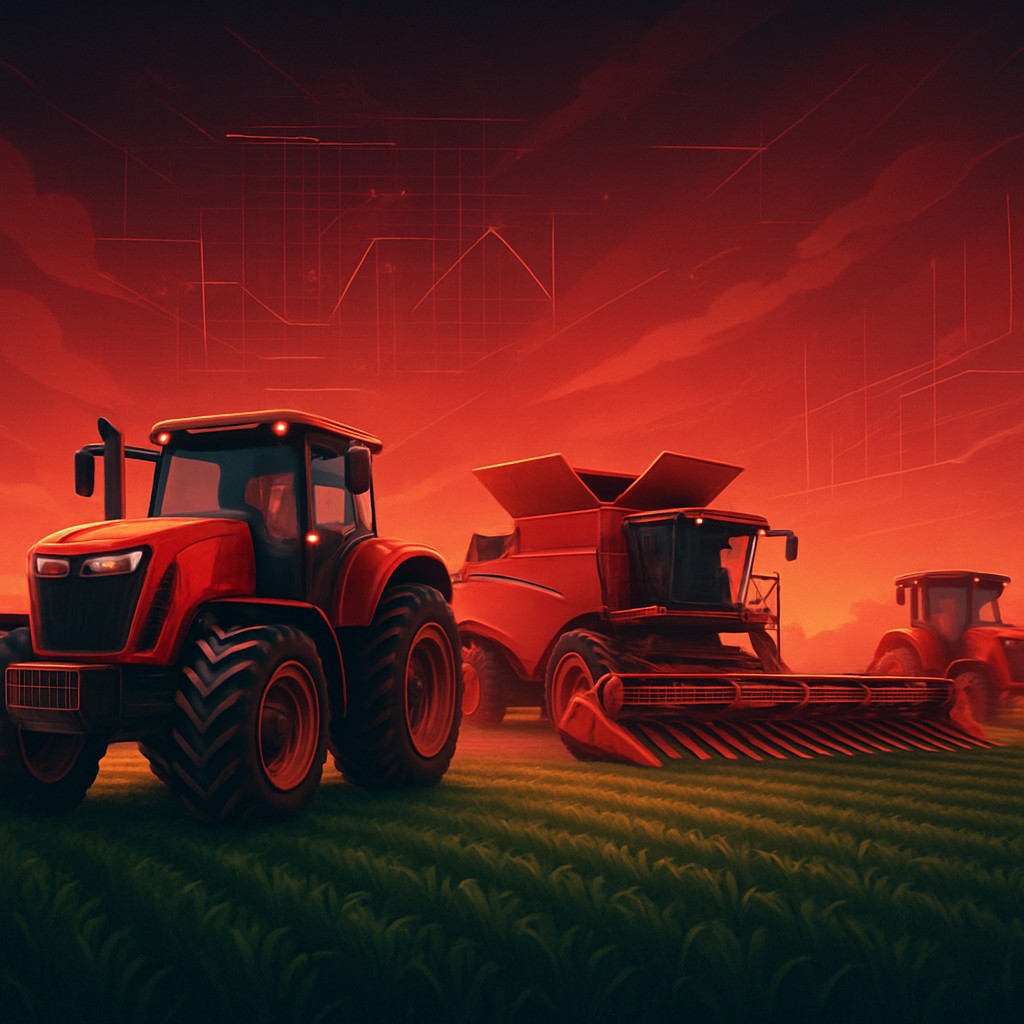
Mechanization and the Future of Zambian Farming
Mechanization is a defining trend in Zambia's agricultural transformation. As commercial and emergent farmers seek higher productivity, reliable agricultural equipment — tractors, harvesters, planters, and irrigation systems — has become essential. The right machinery reduces labour constraints, improves timeliness of operations, and boosts yields, making equipment brands a critical part of the farming value chain.
Several international and regional brands are well established in Zambia, supported by dealers offering sales, financing, parts, and servicing. The best brands combine durability suited to local conditions, strong dealer support, and the availability of spare parts that keep machines working through demanding seasons.
Leading Agricultural Equipment Brands
Massey Ferguson is one of the most widely recognized and trusted tractor brands in Zambia, valued for its reliability, affordability, and the wide availability of parts and service. John Deere is a premium choice favoured by large commercial farms for its advanced technology, durability, and comprehensive equipment range from tractors to combine harvesters.
New Holland enjoys a strong following for its versatile tractors and harvesting equipment, while Case IH serves large-scale operations with powerful machinery. Foton and Mahindra have gained popularity among smaller and emergent farmers for their value-for-money tractors well suited to local conditions.
Other respected brands include Landini, Deutz-Fahr, Valtra, and Sonalika, each with dealer representation and a customer base in Zambia. Implement and irrigation brands supplying ploughs, planters, sprayers, and centre-pivot systems round out the equipment landscape, enabling farmers to mechanize across the full production cycle.
What Defines a Top Equipment Brand
In Zambian conditions, durability and reliability are paramount. Equipment must withstand demanding terrain, dust, and intensive seasonal use. The brands that thrive are those proven to perform consistently and to last, minimizing costly downtime during critical planting and harvesting windows.
Equally important is the strength of the dealer and service network. A brand is only as good as the support behind it: rapid access to spare parts, skilled technicians, and responsive after-sales service determine real-world value. Financing options and flexible acquisition models also matter greatly, enabling farmers to access machinery despite high upfront costs. Operator training and technology support further distinguish leading brands.
Trends in Farm Mechanization
Mechanization is spreading beyond large commercial farms to emergent and smallholder farmers, supported by equipment rental and shared-use models that lower barriers to access. Tractor hire services and mechanization hubs are making machinery available to those who cannot afford outright purchase, expanding the reach of modern farming.
Precision agriculture technologies — GPS guidance, telematics, and data-driven equipment management — are gradually entering the market, particularly among larger farms seeking efficiency gains. Demand is also rising for equipment suited to conservation and climate-smart farming, including minimum-tillage planters. Local assembly and dealer expansion are improving access and affordability, while irrigation equipment is increasingly important as farmers reduce reliance on rainfall.
Choosing the Right Equipment Brand
For farmers, selecting an equipment brand involves balancing purchase price, durability, support, and suitability to their scale and crops. The cost of a tractor is only part of the equation; parts availability and service reliability often determine total cost of ownership. Buying from brands with strong local dealer networks is a sound strategy for long-term value.
Agricultural equipment brands are powering Zambia's farming modernization, helping farmers raise productivity and resilience. As mechanization deepens and technology advances, these brands and their dealer networks will remain key partners in the country's agricultural growth.
