
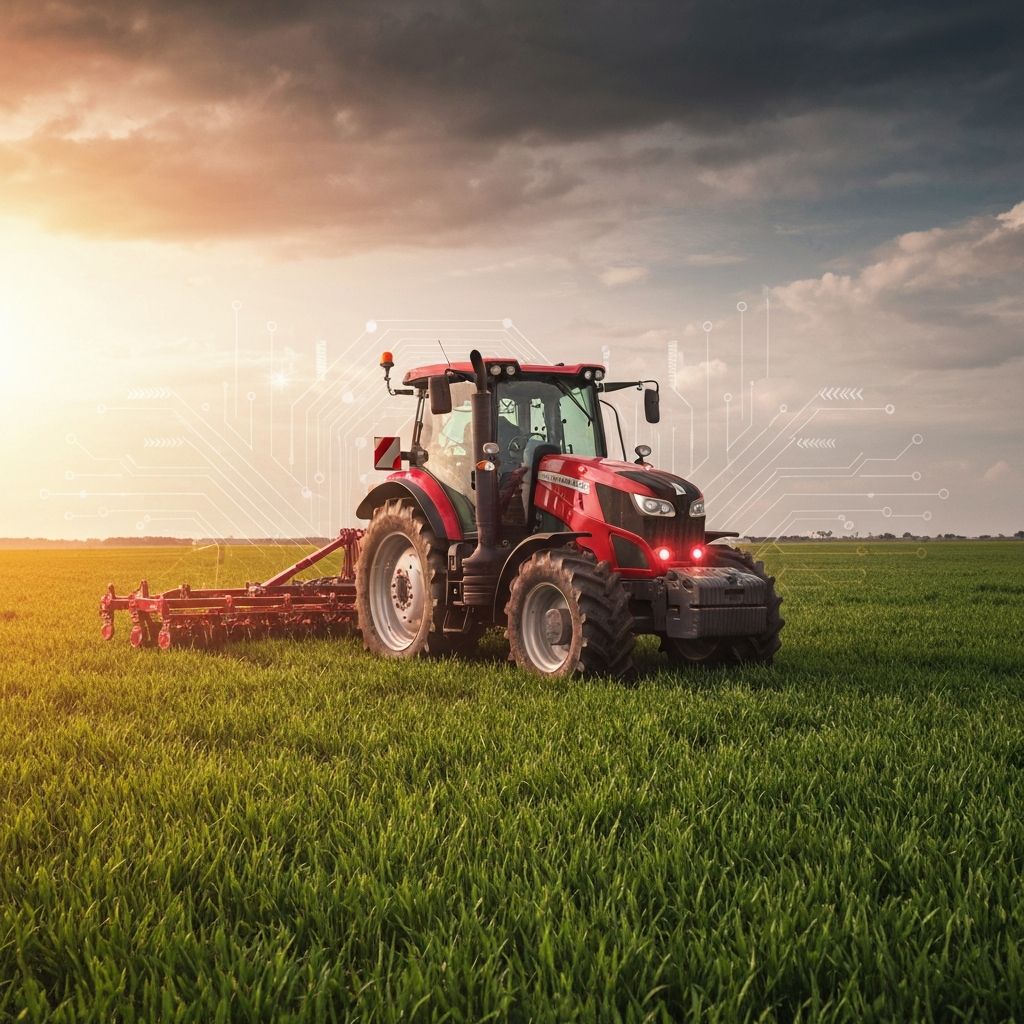
Mechanization and the Future of Tanzanian Agriculture
Agricultural mechanization is a critical driver of productivity in Tanzania, where the sector employs the majority of the population. While many farmers still rely on traditional tools, the adoption of modern equipment is steadily increasing, supported by government programs, private sector investment, and growing awareness among farmers. Leading agricultural equipment brands have established strong presences in Tanzania, offering a wide range of machinery from tractors and harvesters to irrigation systems and processing equipment.
Below is a comprehensive look at the top ten agricultural equipment brands available in Tanzania, each known for reliability, performance, and after-sales support.
1. John Deere
John Deere is a globally renowned brand with a strong presence in Tanzania through authorized dealers. Known for their durable tractors, combine harvesters, and precision farming technologies, John Deere equipment is widely used on commercial farms and large-scale plantations. Their machines are praised for fuel efficiency, longevity, and advanced features.
2. Massey Ferguson
Massey Ferguson tractors are among the most popular in Tanzania, particularly for smallholder and medium-scale farmers. The brand offers a range of models suited to local conditions, with affordable pricing and good availability of spare parts. Their robust design and ease of maintenance make them ideal for African farming environments.
3. New Holland Agriculture
New Holland is well established in Tanzania, offering tractors, balers, and harvesting equipment. Their machines combine modern technology with practical design, making them suitable for various crops including sugarcane, maize, and rice. Authorized dealers provide reliable after-sales service and training.
4. CASE IH
CASE IH is recognized for its high-performance agricultural machinery, particularly tractors and harvesters used on large commercial farms. The brand has a strong presence in Tanzania's sugar and grain sectors, providing equipment that delivers consistent productivity even under demanding conditions.
5. Mahindra
Mahindra has gained significant popularity among Tanzanian farmers due to its affordable pricing and durable tractors. The Indian brand offers models designed specifically for emerging markets, with simple maintenance requirements and excellent fuel efficiency. Their growing dealer network ensures good after-sales support.
6. Sonalika
Sonalika is another Indian brand that has made significant inroads in Tanzania. Their tractors are known for being economical, versatile, and well-suited to small and medium-scale farming. The company has been actively expanding its presence through dealerships and farmer training programs.
7. Kubota
Kubota is a Japanese brand widely respected for its compact tractors, power tillers, and rice farming equipment. Their machines are particularly popular in horticulture and rice cultivation areas. Kubota's reputation for reliability and precision engineering makes them a preferred choice for many progressive farmers.
8. SAME Deutz-Fahr
SAME Deutz-Fahr offers a comprehensive range of tractors and agricultural machinery suited for various farming operations in Tanzania. The European brand combines technological innovation with rugged construction, making their equipment suitable for both commercial and smallholder use.
9. Valley Irrigation
Specializing in irrigation systems, Valley is a leading brand for center pivot, linear, and drip irrigation solutions in Tanzania. As water management becomes increasingly critical, Valley's systems help farmers optimize water use, increase yields, and expand cultivation in semi-arid areas.
10. Bell Equipment
Bell Equipment is an African-born brand offering specialized agricultural and earthmoving machinery. Their sugar cane loaders, haulers, and tractors are particularly popular in Tanzania's sugar industry. The company emphasizes products designed specifically for African conditions.
Choosing the Right Equipment
Selecting the right agricultural equipment depends on multiple factors including farm size, crop types, soil conditions, budget, and availability of spare parts. Tanzanian farmers should consider total cost of ownership, including fuel consumption, maintenance, and resale value, rather than just the purchase price.
Working with authorized dealers who provide training, financing options, and reliable after-sales service is crucial. Many leading brands now offer flexible financing schemes, leasing options, and even buy-back guarantees to make their equipment more accessible to farmers.
Government Support and Mechanization Programs
The Tanzanian government has implemented several programs to promote agricultural mechanization, including subsidized tractor schemes, public-private partnerships, and import duty reductions on agricultural equipment. These initiatives are gradually transforming the sector by making modern machinery more affordable and accessible.
The National Service Tractor Hire Scheme and similar programs allow smallholder farmers to access mechanized services on a pay-per-use basis, addressing the affordability barrier that prevents many from owning their own equipment.
Training and Capacity Building
Effective use of modern agricultural equipment requires proper training. Many equipment brands collaborate with agricultural training institutions, government extension services, and NGOs to provide farmers and operators with the necessary skills. This includes operation, basic maintenance, troubleshooting, and safety training.
Trends Shaping the Industry
Several trends are reshaping the agricultural equipment market in Tanzania. Precision agriculture technologies, including GPS-guided tractors and variable-rate application systems, are gradually being introduced. Smaller, more affordable equipment designed for smallholders is also gaining popularity. Additionally, equipment-sharing platforms and tractor-hire services are emerging, enabling smaller farmers to access mechanization without the burden of ownership.
Conclusion
The brands featured in this guide represent the best agricultural equipment options available in Tanzania, each offering unique strengths suited to different farming needs. As mechanization continues to advance, these brands play crucial roles in improving productivity, reducing labor demands, and modernizing Tanzanian agriculture. Farmers and agribusinesses that invest in quality equipment from reputable brands are well positioned to thrive in an increasingly competitive agricultural landscape.
