
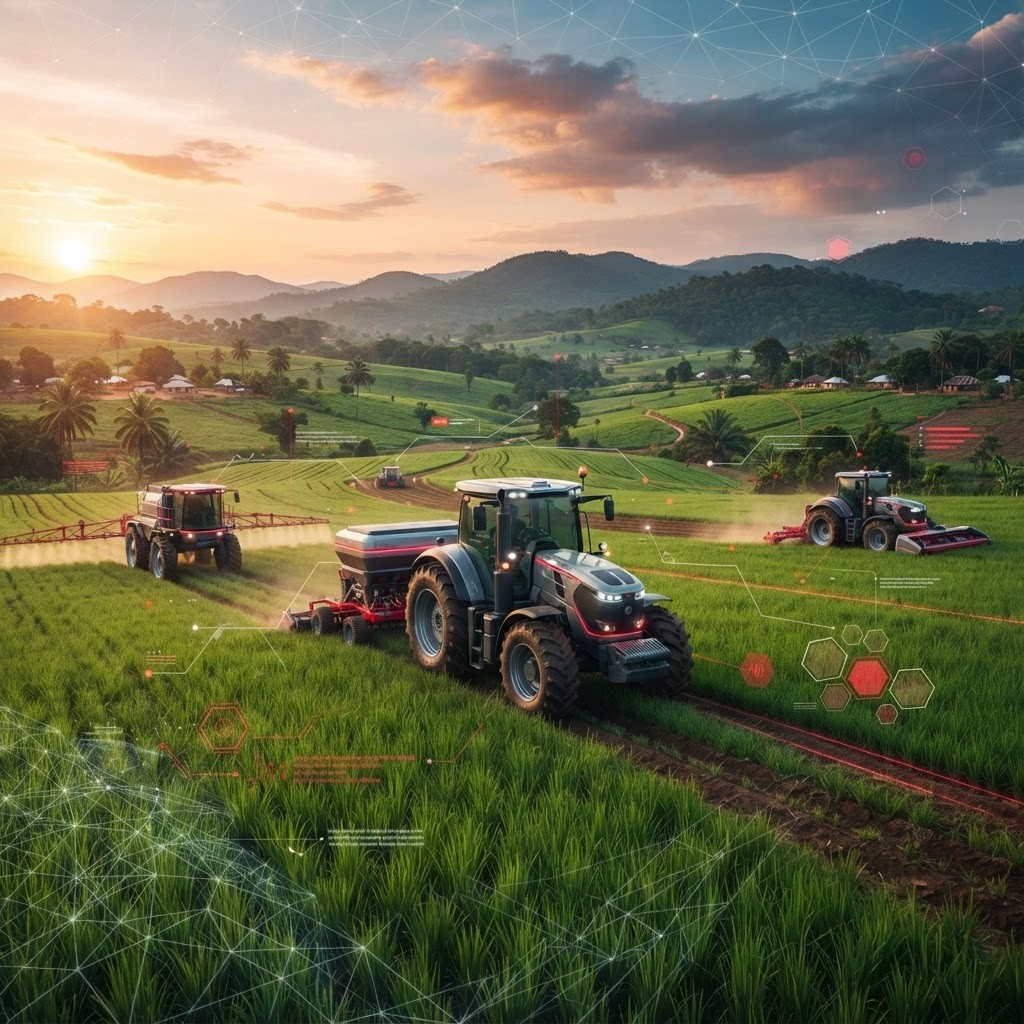
The Rise of Farm Mechanization in Sierra Leone
Agriculture remains the foundation of Sierra Leone's economy, and mechanization is playing an increasingly important role in transforming the sector. As farmers seek to improve productivity, reduce labor intensity, and increase yields, access to quality agricultural equipment has become essential. From tractors and tillers to harvesters, irrigation systems, and processing machinery, modern equipment is helping farmers move beyond traditional methods toward more efficient and profitable operations.
Agricultural equipment brands and suppliers are at the center of this transformation. They provide the machinery, spare parts, and technical support that enable farmers to adopt mechanized practices, ultimately contributing to food security and rural development.
Why Quality Equipment Matters
Choosing the right agricultural equipment is a critical decision for farmers and agribusinesses. Reliable machinery reduces downtime, lowers operating costs, and improves output. Durability is especially important in local conditions, where equipment must withstand demanding terrain and intensive use. Availability of spare parts and after-sales service is equally vital, as it ensures that machinery remains operational over the long term.
The best equipment brands offer a combination of performance, reliability, and support. They understand the needs of local farmers and provide solutions suited to the crops, soils, and scale of operations found throughout the country.
Leading Agricultural Equipment Brands to Know
Several brands and suppliers have earned strong reputations in the market. Massey Ferguson is widely respected for its durable tractors and reliable performance, making it a popular choice among commercial farmers. John Deere is another trusted name, known globally for advanced machinery and strong support networks. New Holland offers a versatile range of equipment suited to various farming operations.
Other prominent brands include Kubota, valued for compact and efficient machinery ideal for diverse farm sizes, and Sonalika, which provides affordable and dependable tractors popular among smallholder and medium-scale farmers. Mahindra has gained recognition for rugged, cost-effective equipment well suited to local conditions.
Additional respected names include TAFE, known for practical and durable tractors, and Yanmar, valued for reliable engines and machinery. Local distributors such as Salone Agri Machinery and Freetown Farm Equipment Supply also play a key role by providing access to trusted brands, spare parts, and technical support across the country.
Key Equipment Categories
Agricultural equipment spans a wide range of categories, each serving specific needs. Tractors form the backbone of mechanized farming, powering various implements for plowing, planting, and hauling. Tillage equipment prepares soil for cultivation, while planting and seeding machinery improves precision and efficiency.
Harvesting equipment, including combine harvesters and threshers, significantly reduces labor and post-harvest losses. Irrigation systems help farmers manage water more effectively, and processing machinery adds value by transforming raw crops into finished products. Access to this full spectrum of equipment enables farmers to modernize every stage of production.
The Importance of After-Sales Support
Reliable after-sales support is often the deciding factor when choosing an equipment brand. Farmers depend on timely access to spare parts, maintenance services, and technical guidance to keep machinery running smoothly. Brands and distributors that offer strong support networks build lasting trust and loyalty among their customers.
Training is another valuable service. Helping farmers operate and maintain equipment properly maximizes performance and extends machinery lifespan. Suppliers who invest in customer education contribute significantly to the success of mechanized farming.
Trends Shaping the Market
Several trends are influencing the agricultural equipment market. There is growing interest in affordable, fuel-efficient machinery that suits the needs of smallholder farmers. At the same time, larger agribusinesses are investing in advanced equipment to increase scale and efficiency.
Financing options and equipment leasing are also becoming more common, helping farmers overcome the high upfront costs of machinery. These developments are expanding access to mechanization and accelerating the modernization of agriculture.
Overcoming Barriers to Mechanization
Despite clear benefits, several barriers can limit the adoption of agricultural equipment in Sierra Leone. High upfront costs, limited access to credit, and a shortage of trained operators can slow the transition to mechanized farming. Additionally, some rural areas face challenges in accessing spare parts and repair services, which can affect equipment reliability.
Leading brands and distributors are helping to overcome these obstacles by offering financing options, equipment sharing programs, and operator training. Partnerships with cooperatives and government initiatives also play an important role in expanding access. By addressing these barriers, the industry is making mechanization more attainable for farmers of all scales.
The Impact on Farming Communities
Access to quality agricultural equipment has a transformative effect on farming communities. Mechanization reduces the physical burden of manual labor, allowing farmers to cultivate larger areas and achieve higher productivity. This leads to increased incomes, improved living standards, and greater food security for rural households.
Equipment also enables timely planting and harvesting, which is crucial for maximizing yields and minimizing losses. As more farmers adopt modern machinery, entire communities benefit from stronger local economies and expanded opportunities. The ripple effects of mechanization extend well beyond individual farms, driving broader rural development.
Conclusion
Agricultural equipment brands are essential partners in Sierra Leone's journey toward modern, productive farming. The leading brands and suppliers profiled here provide the machinery and support that farmers need to increase yields, reduce costs, and build sustainable operations. As mechanization continues to expand, these brands will remain central to strengthening the agricultural sector and improving livelihoods across the country.
