
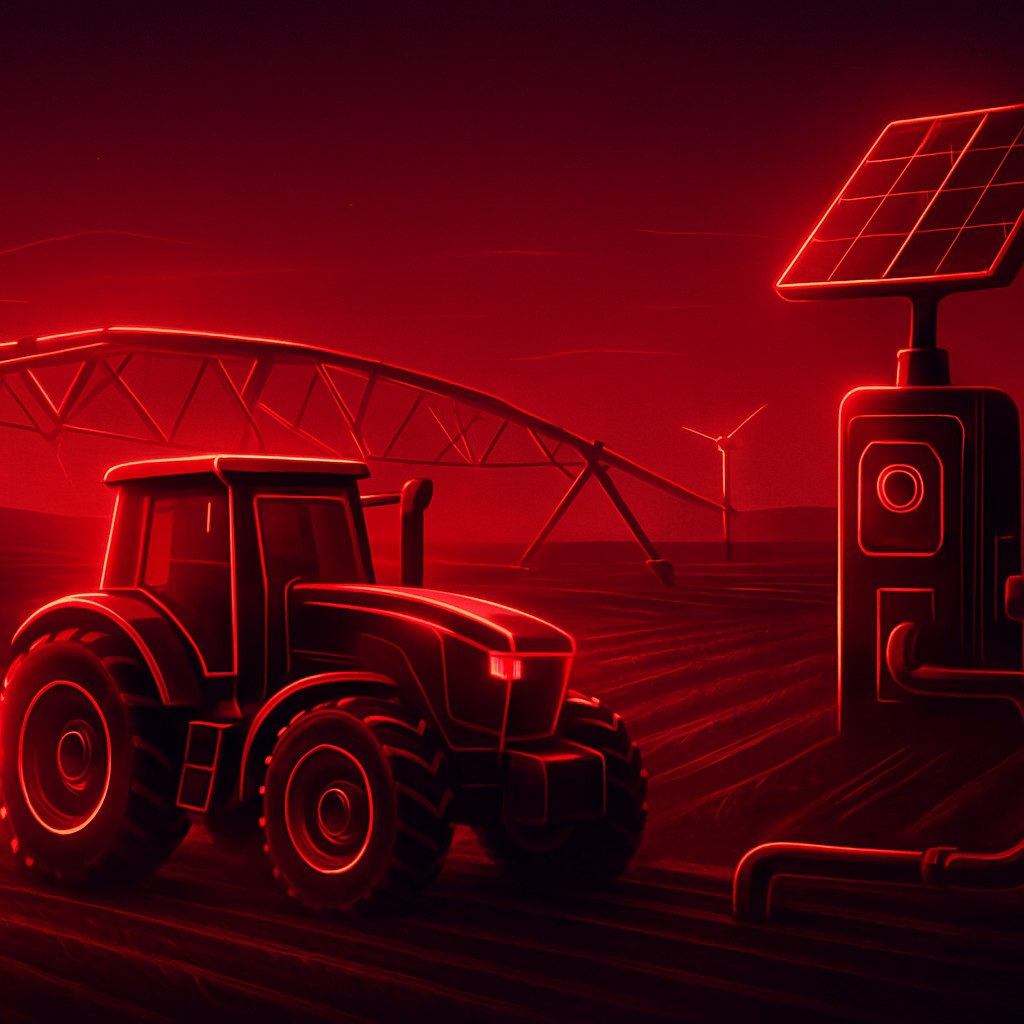
Mechanising Malawi's Agriculture
As Malawi works to boost agricultural productivity and reduce reliance on manual labour, agricultural equipment has become increasingly important. From tractors and ploughs to irrigation pumps and processing machinery, the right equipment helps farmers raise yields, expand cultivated areas, and reduce post-harvest losses. A range of established brands and suppliers serve this growing market, catering to both commercial estates and smallholder farmers.
While mechanisation levels remain modest compared to global standards, the trend is firmly upward. Government programmes, private investment, and the expansion of equipment financing are all driving demand for reliable, affordable agricultural machinery.
Types of Equipment in Demand
The Malawian market spans several equipment categories. Tractors and power tillers form the backbone of mechanised land preparation. Tillage and planting implements such as ploughs, harrows, and seeders improve efficiency. Irrigation equipment, including treadle pumps, solar pumps, and drip systems, is increasingly vital as farmers seek to overcome erratic rainfall. Post-harvest machinery such as shellers, threshers, and mills adds value and reduces losses.
Top 10 Agricultural Equipment Brands
1. Massey Ferguson is one of the most recognised tractor brands in Malawi, valued for its durability, widespread parts availability, and suitability for local conditions.
2. John Deere offers a premium range of tractors and implements favoured by larger commercial estates seeking advanced technology and reliability.
3. New Holland provides versatile tractors and harvesting equipment, with a strong reputation for performance across diverse farming operations.
4. Maravi AgriTech is a local supplier and assembler offering affordable tillage implements and power tillers tailored to smallholder needs.
5. Sunrise Irrigation Systems specialises in solar-powered pumps and drip irrigation kits, helping farmers adapt to changing rainfall patterns.
6. Honda Power Equipment is widely trusted for its water pumps, engines, and small machinery known for reliability and easy maintenance.
7. Premier Farm Machinery distributes a broad range of post-harvest equipment, including maize shellers and grain mills popular with rural processors.
8. Lakeshore Agro Equipment focuses on affordable, durable hand tools and animal-drawn implements suited to small-scale farmers.
9. Highland Tractors and Implements serves the Northern Region with sales, spare parts, and servicing of tractors and attachments.
10. Unity Solar Pumps rounds out the list, providing renewable-energy irrigation solutions that lower operating costs for farmers.
The Role of Financing and Access
One of the biggest barriers to mechanisation in Malawi has been the high upfront cost of equipment. To address this, suppliers and financial institutions are increasingly offering hire-purchase arrangements, equipment leasing, and tractor-hire services. Shared-use models, where smallholders access tractors and machinery through cooperatives or service providers, are expanding mechanisation without requiring individual ownership.
After-sales support is equally important. Brands that maintain spare parts inventories, trained technicians, and accessible service centres earn lasting loyalty, since equipment downtime can be costly during critical farming seasons.
Trends Driving the Market
Solar-powered irrigation is one of the fastest-growing segments, driven by falling solar technology costs and the need to overcome unreliable rainfall and grid electricity. Compact, smallholder-appropriate machinery is also gaining traction, reflecting the reality that most Malawian farms are small in scale. Meanwhile, locally adapted and assembled equipment is helping reduce costs and improve suitability for local conditions.
Choosing the Right Equipment
Farmers should match equipment choices to their scale, crops, and budget. Smallholders often benefit most from power tillers, water pumps, and post-harvest tools, while commercial operations may justify investment in tractors and advanced implements. Reliability, parts availability, and after-sales service should weigh heavily in any purchasing decision.
Conclusion
Agricultural equipment is a powerful catalyst for productivity and rural prosperity in Malawi. As mechanisation, irrigation, and financing options expand, the brands and suppliers featured here are equipping farmers to produce more, waste less, and build resilience against climate challenges. Their continued growth will play a key role in modernising Malawian agriculture.
