
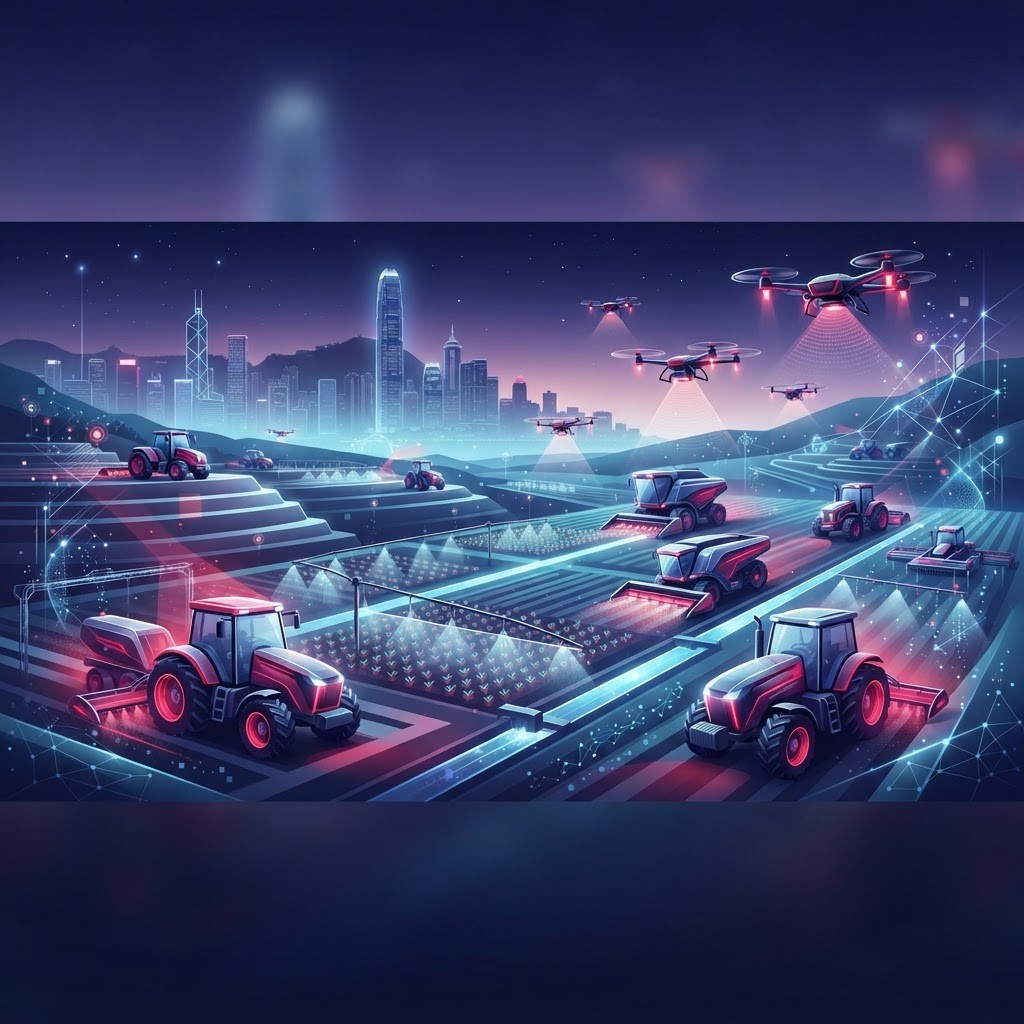
Equipping a Modern Agricultural Sector
Although Hong Kong is best known as a financial and trading hub, its growing interest in local food production and urban farming has created steady demand for agricultural equipment. From compact tractors and tillers suited to small New Territories plots to sophisticated hydroponic systems and climate-control technology for indoor farms, the right machinery is essential to productivity. Equipment brands and distributors operating in the city play a crucial role in bringing global innovation to local growers.
The agricultural equipment landscape in Hong Kong is shaped by the sector's unique characteristics: limited land, high-value crops, and a strong emphasis on technology-driven, space-efficient farming. As a result, demand skews toward precision tools, automation, and equipment adaptable to controlled-environment agriculture rather than large-scale field machinery.
Categories of Agricultural Equipment
The market covers several categories. Cultivation equipment includes compact tractors, tillers, and planting tools for smallholdings. Irrigation and water-management systems support efficient resource use, a priority in sustainable farming. Indoor and vertical farming technology, such as LED grow lights, nutrient-delivery systems, and environmental controls, serves the city's fast-growing high-tech farms. Post-harvest and processing equipment rounds out the offering.
The Top 10 Agricultural Equipment Brands
1. John Deere. A globally trusted name in agricultural machinery, John Deere offers durable tractors and precision-farming technology, respected worldwide for reliability and innovation.
2. Kubota. Renowned for compact tractors and equipment ideal for smaller plots, Kubota is popular among growers who need dependable, space-appropriate machinery.
3. Yanmar. A leader in compact agricultural machinery and engines, Yanmar is valued for efficiency, durability, and suitability to intensive small-scale farming.
4. Netafim. A pioneer in drip irrigation and precision water management, Netafim helps growers maximise yields while conserving water, aligning with sustainability goals.
5. Signify (Philips Horticulture LED). A leader in horticultural lighting, Signify supplies advanced LED grow-light systems widely adopted by indoor and vertical farms.
6. Priva. Specialising in climate control and automation for greenhouses and indoor farms, Priva enables precise environmental management for high-tech cultivation.
7. Honda Power Equipment. Known for reliable tillers, pumps, and small engines, Honda provides versatile machinery favoured by smallholders and hobby farmers.
8. Stihl. A trusted brand for handheld agricultural and garden tools, Stihl is prized for quality, performance, and durability in maintenance tasks.
9. Rain Bird. A specialist in irrigation solutions, Rain Bird offers efficient watering systems that support water-conscious farming and landscaping.
10. Grodan. A leader in stone-wool growing media and substrate solutions, Grodan supports hydroponic and controlled-environment farming with reliable, high-performance products.
Technology Trends in Agricultural Equipment
Smart farming is the defining trend shaping the equipment market. Sensors, automation, and data analytics increasingly guide irrigation, lighting, and climate control, allowing growers to optimise yields while conserving resources. In space-constrained Hong Kong, this precision is especially valuable, enabling high output from small footprints.
Sustainability is another major driver. Water-efficient irrigation, energy-saving LED lighting, and environmentally responsible growing media are in strong demand as farms seek to reduce costs and environmental impact. Compact, modular, and easy-to-maintain equipment also appeals to the many small-scale and urban operations that characterise local agriculture.
Selecting the Right Equipment
Growers should match equipment to their specific farming model, whether traditional field cultivation, organic plots, or high-tech indoor systems. Key considerations include reliability, energy efficiency, ease of maintenance, availability of local support and parts, and total cost of ownership. Working with reputable brands and knowledgeable distributors ensures dependable performance and long-term value.
The Importance of Local Support and Training
In a market where much agricultural equipment is imported, the availability of local support, spare parts, and technical training is a decisive factor. Advanced systems such as climate controllers, LED lighting arrays, and automated irrigation require proper installation, calibration, and maintenance to perform at their best. Brands and distributors that provide responsive service, accessible parts, and hands-on training deliver far greater long-term value than those offering hardware alone.
This support is especially critical for the many newcomers entering urban agriculture without a traditional farming background. Guidance on how to operate and maintain equipment, troubleshoot issues, and optimise settings can mean the difference between a thriving operation and a costly failure. As a result, the strongest players in the market increasingly position themselves as knowledge partners rather than mere equipment vendors.
Investing for the Long Term
Agricultural equipment represents a significant capital investment, so durability and reliability are paramount. Well-built machinery from established brands typically offers lower lifetime costs through fewer breakdowns, longer service life, and better resale value. For growers planning to scale their operations, choosing equipment that can grow with them, and that integrates smoothly with emerging smart-farming technologies, is a wise strategic decision.
Conclusion
As Hong Kong invests in local food production and sustainable agriculture, quality equipment becomes ever more important. The brands featured here represent the reliability, innovation, and efficiency that modern growers need. Whether powering a compact rural farm or a cutting-edge vertical operation, these agricultural equipment leaders are helping cultivate a more productive and sustainable future for the city.
