
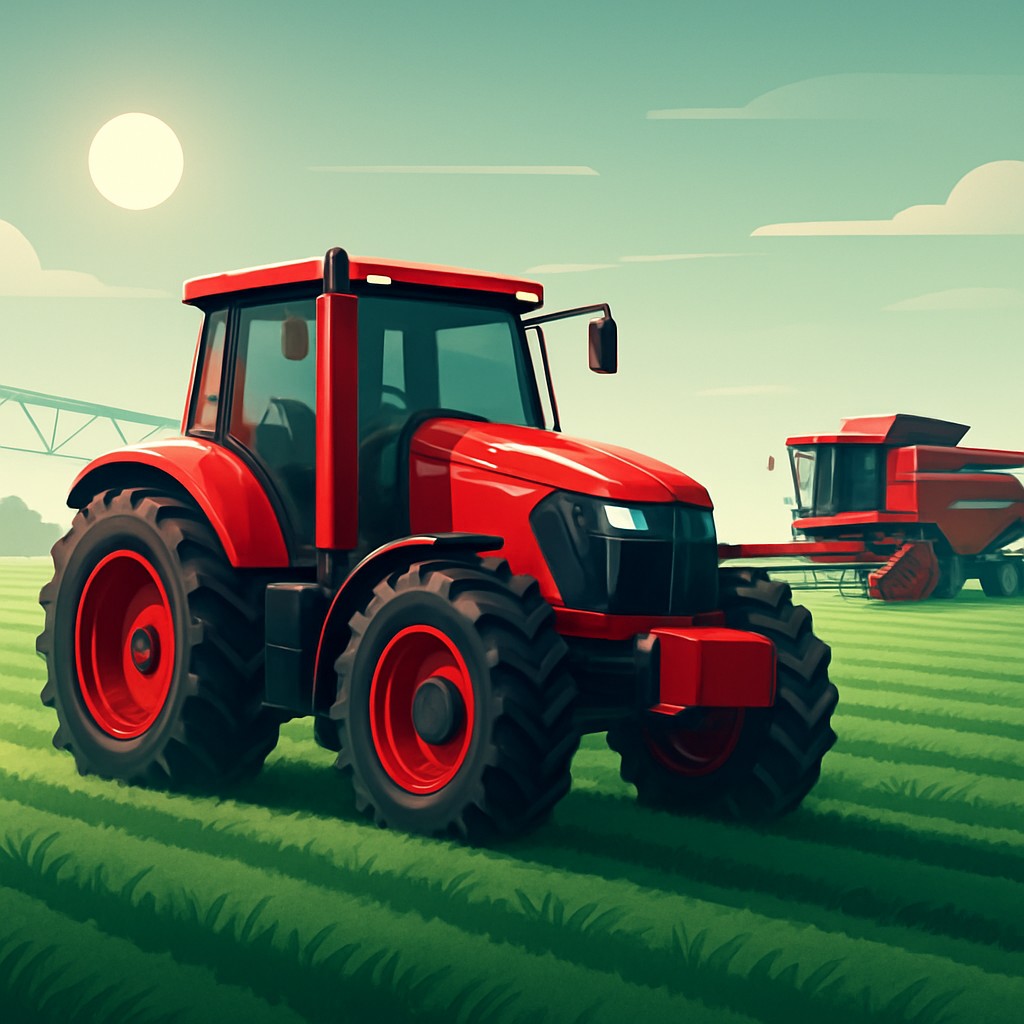
Mechanizing Honduran Agriculture
As agriculture remains central to the Honduran economy, the equipment that powers it has become increasingly important. From tractors and harvesters to irrigation systems and hand tools, agricultural machinery enables farmers to improve productivity, reduce labor costs, and manage larger operations efficiently. The brands available in Honduras include both global manufacturers with strong local distribution and regional suppliers that understand the specific needs of Central American farmers.
This guide reviews ten of the most respected agricultural equipment brands and suppliers serving Honduras, highlighting their product ranges, reliability, and the support they offer to the farming community.
Why Equipment Quality Matters
Reliable agricultural equipment is a significant investment that directly affects a farm's output and profitability. Durability, fuel efficiency, ease of maintenance, and the availability of spare parts and service are critical considerations. The best brands combine robust machinery with strong dealer networks that provide training, financing, and after-sales support, ensuring farmers can keep their equipment running through demanding harvest seasons.
Leading Agricultural Equipment Brands
John Deere is one of the most recognized names in agricultural machinery worldwide, and its tractors and harvesters are widely used by larger Honduran farms. The brand is valued for durability, advanced technology, and a strong service network.
Massey Ferguson offers a popular range of tractors known for reliability and value, making it a favorite among medium-sized farming operations. Its widespread parts availability adds to its appeal.
New Holland provides versatile tractors and harvesting equipment suited to a variety of crops grown in Honduras. The brand is appreciated for its balance of performance and affordability.
Kubota specializes in compact and utility tractors well suited to smaller farms and diverse terrain. Its efficient, durable machines have earned a loyal following.
Case IH delivers powerful tractors and harvesting solutions favored by large-scale agricultural enterprises, particularly in export-oriented crop production.
Specialized and Regional Suppliers
Stihl is a leading brand for handheld agricultural tools such as brush cutters, chainsaws, and sprayers, essential for smallholder farmers and plantation maintenance.
Honda Power Equipment offers reliable engines, water pumps, and small machinery widely used across Honduran farms for irrigation and general tasks. The brand is trusted for durability and low maintenance.
Valley Irrigation specializes in irrigation systems, helping farmers manage water efficiently in a region where climate variability is a growing concern. Its center-pivot and mechanized systems support large-scale cultivation.
Maquinaria Agricola Centroamericana is a regional supplier offering a range of equipment and implements tailored to Central American farming conditions, along with localized service and support.
Distribuidora de Equipo Agricola Hondureno rounds out the list as a local distributor representing multiple brands, providing farmers with access to machinery, parts, and maintenance services under one roof.
Trends in Agricultural Machinery
The agricultural equipment landscape in Honduras is evolving alongside global trends. Precision agriculture, including GPS-guided tractors and data-driven farm management, is gradually entering larger operations seeking efficiency gains. Water-efficient irrigation technology is increasingly important as farmers adapt to climate variability. There is also growing interest in equipment financing and leasing options that make machinery accessible to smaller producers.
Sustainability considerations, such as fuel efficiency and reduced emissions, are influencing purchasing decisions, while the availability of reliable after-sales service remains a decisive factor for many buyers.
Choosing the Right Equipment Partner
Farmers selecting equipment should consider not only the machinery itself but also the strength of the dealer network, availability of spare parts, financing options, and quality of after-sales support. Matching equipment size and capability to the scale and crops of the operation is essential to maximizing return on investment. Demonstrations, training, and warranty terms are practical factors that can guide a sound purchasing decision.
Conclusion
Agricultural equipment brands play a crucial role in modernizing Honduran farming and boosting productivity across the sector. The brands and suppliers featured here offer a spectrum of solutions, from powerful tractors and harvesters to irrigation systems and handheld tools. As precision agriculture and water-efficient technologies gain traction, and as service and financing become key differentiators, these brands continue to support Honduran farmers in meeting the demands of a competitive agricultural economy.
