
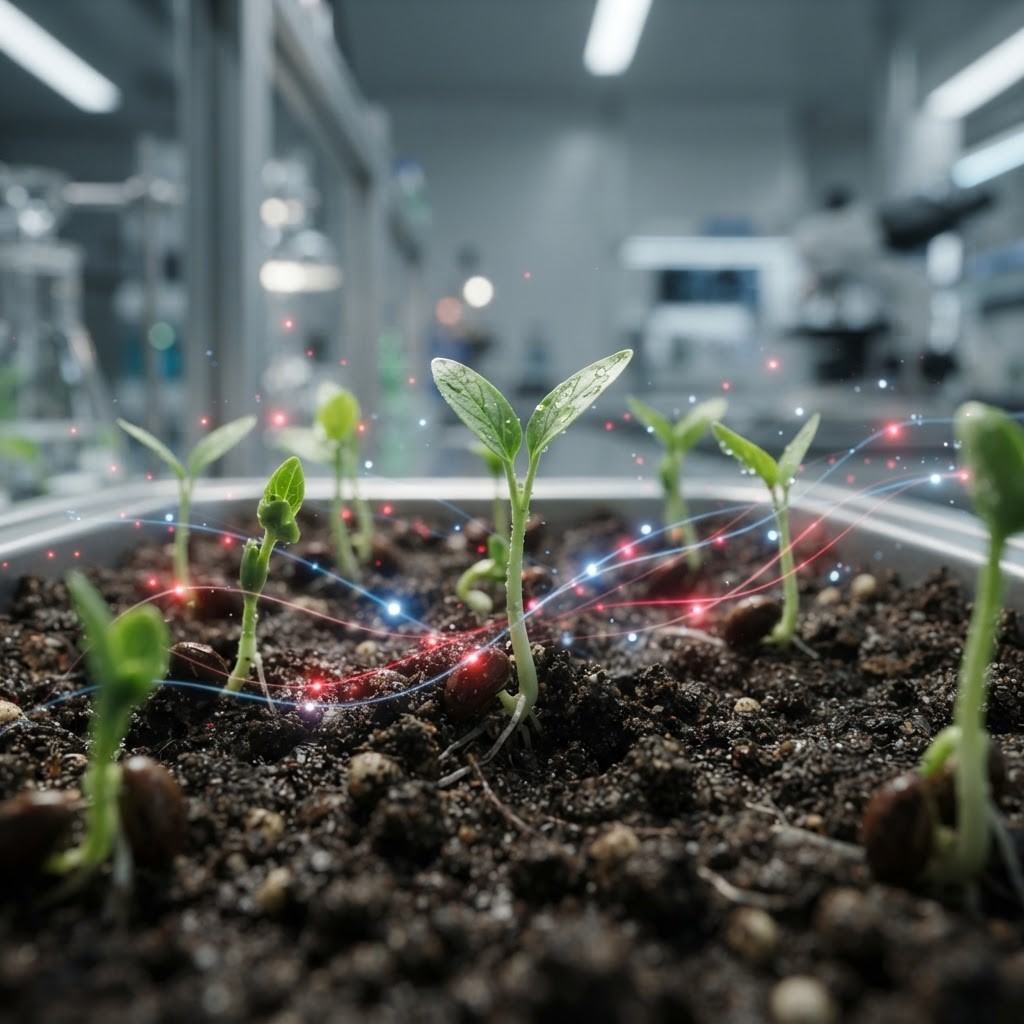
The Foundation of Every Harvest
Behind every successful crop lies quality seed. In Serbia, where agriculture plays a vital economic role, seed companies form the essential first link in the food production chain. They develop, multiply, and distribute improved varieties of maize, wheat, sunflower, soybean, and vegetables that are adapted to local growing conditions and capable of delivering strong, reliable yields.
Serbia has a notable tradition in plant breeding and seed research, with institutions and companies that have produced internationally recognized hybrids. This scientific foundation gives the domestic seed industry credibility and competitiveness, allowing Serbian-bred varieties to succeed both at home and in export markets across the region.
What Distinguishes a Top Seed Company
The leading seed companies in Serbia are defined by their investment in research and development. Breeding new varieties that resist disease, tolerate drought, and maximize yield requires years of careful work and significant expertise. Companies with strong breeding programs and access to genetic resources consistently outperform those that simply distribute generic seed.
Quality control is equally important. Certified seed with high germination rates, genetic purity, and proper treatment gives farmers confidence and reduces production risk. The best companies maintain rigorous testing, clear certification, and reliable supply, ensuring that farmers receive exactly what they expect each season.
Ten Leading Seed Companies in Serbia
1. NS Seme (Institute of Field and Vegetable Crops, Novi Sad) is a flagship of Serbian plant breeding, renowned for its wheat, sunflower, and maize varieties developed through decades of research.
2. Zemun Polje (Maize Research Institute) is internationally respected for its maize hybrids, exporting seed and expertise well beyond Serbia's borders.
3. Delta Agrar Seed Division combines large-scale farming knowledge with seed distribution, offering farmers proven varieties backed by agronomic support.
4. Limagrain Serbia brings international breeding programs to the local market, supplying advanced maize and cereal genetics.
5. Syngenta Serbia provides a broad portfolio of high-performance hybrids and treated seed supported by global research capabilities.
6. Bayer (Dekalb) Serbia is a major supplier of maize and oilseed genetics, valued for consistent performance and strong agronomic backing.
7. Superior Hibrid focuses on locally adapted hybrids, emphasizing affordability and reliability for domestic growers.
8. Agroprotein Seed specializes in soybean and legume varieties, supporting Serbia's growing protein-crop production.
9. Vojvodina Seme serves the northern farming heartland with certified cereal and oilseed seed and strong regional distribution.
10. Semenarna Balkan rounds out the list with a diverse vegetable seed catalogue aimed at market gardeners and smaller producers.
Trends in the Seed Industry
Climate resilience is a growing priority in seed breeding. As weather patterns become less predictable, farmers increasingly seek varieties that tolerate drought, heat, and disease pressure. Serbian seed companies are responding by prioritizing traits that stabilize yields under challenging conditions, helping growers manage risk.
Demand for protein crops, particularly soybean, is also rising as livestock feed and plant-based food markets expand. Companies that offer high-yielding, well-adapted legume varieties are well positioned to benefit. Meanwhile, precision agriculture is encouraging interest in seed optimized for variable-rate planting and data-driven management.
Serbia's Reputation in Plant Breeding
Serbia holds a distinguished place in the history of plant breeding in Southeast Europe. Its research institutes have developed hybrids and varieties that are cultivated far beyond the country's borders, establishing a reputation for scientific excellence. This heritage gives Serbian seed companies a competitive advantage, as buyers associate domestic genetics with proven performance under regional growing conditions.
Ongoing collaboration between research institutions, universities, and commercial seed producers keeps this tradition alive. By combining public research capacity with private-sector distribution and marketing, Serbia sustains a dynamic seed industry capable of both innovation and commercial reach. This synergy benefits farmers, who gain access to cutting-edge genetics backed by credible science.
Certification, Quality, and Farmer Trust
Trust is the currency of the seed industry. Farmers commit an entire season's potential to the seed they plant, so confidence in germination, purity, and varietal identity is essential. Certified seed, produced and tested under strict standards, provides this assurance and protects farmers from the risks associated with uncertified or counterfeit products.
Leading companies reinforce trust through transparent labeling, agronomic guidance, and responsive customer support. They help farmers select varieties suited to their soils, climate, and objectives, and they stand behind the performance of their products. This relationship-based approach turns seed suppliers into trusted advisors, strengthening loyalty and encouraging repeat business season after season.
Sowing the Future
Seed companies may operate quietly compared to more visible parts of agriculture, but their impact is profound. The genetics they develop and the quality they guarantee shape the productivity of every farm they supply. The companies highlighted here reflect Serbia's strong breeding heritage and its capacity to compete in a demanding global market. As agriculture faces new challenges, continued investment in research and quality will ensure that Serbian farmers keep planting the strong foundation on which every successful harvest depends.
