
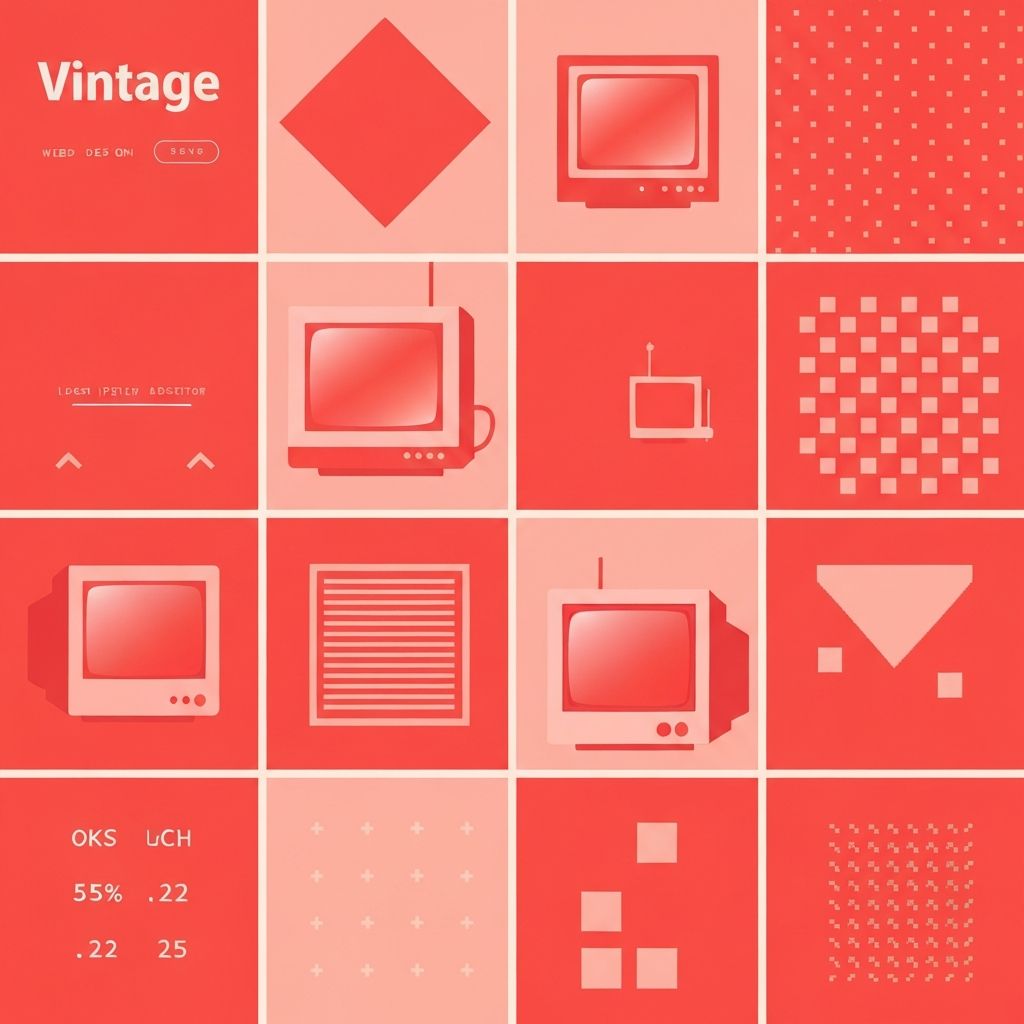
The Revival of Retro Web Design
Retro web design has emerged as a powerful trend in the digital landscape, celebrating the nostalgic aesthetics of past decades while incorporating modern functionality and user experience principles. This design approach draws inspiration from various eras—from the bold geometric patterns of the 1980s to the pixel art and early internet aesthetics of the 1990s—creating websites that stand out in a sea of minimalist, cookie-cutter designs.
The appeal of retro web design lies in its ability to evoke emotional connections and memories. In an increasingly digital world, nostalgic design elements create warmth and familiarity that resonates with users across generations. For millennials and Gen X audiences, retro designs trigger pleasant memories, while younger users find these aesthetics refreshingly unique and authentic compared to contemporary trends.
Craft Your Retro Vision with AAMAX
Creating effective retro web design requires expertise in balancing nostalgic aesthetics with modern web standards. AAMAX.CO excels at delivering website design solutions that capture vintage charm while ensuring optimal performance and user experience. Their designers understand how to incorporate retro elements thoughtfully, creating websites that are both visually striking and functionally excellent. They help brands tap into nostalgia marketing effectively while maintaining the professional quality expected of modern websites.
Key Elements of Retro Web Design
Successful retro web design incorporates specific visual elements that define different eras. Bold, saturated color palettes featuring teals, magentas, oranges, and neon accents create immediate visual impact. Typography choices might include pixel fonts, groovy 70s scripts, or the geometric sans-serifs popular in 80s design. These elements work together to transport visitors to a specific time period while maintaining contemporary usability.
Texture and pattern play crucial roles in retro aesthetics. Grainy overlays, halftone patterns, and scanline effects add authentic vintage character. Geometric shapes, abstract patterns, and Memphis design elements from the 1980s create dynamic visual interest. These details require careful implementation to enhance rather than overwhelm the user experience.
Balancing Nostalgia with Modern Functionality
While retro web design embraces vintage aesthetics, it must never sacrifice modern functionality. Users still expect fast loading times, mobile responsiveness, and intuitive navigation regardless of visual style. The challenge lies in applying retro visual treatments to contemporary website structures that meet current usability standards and accessibility requirements.
Modern retro design achieves this balance by using nostalgic visual elements as a styling layer over solid UX foundations. Navigation systems remain intuitive even when styled with vintage aesthetics. Call-to-action buttons function effectively while featuring retro design treatments. This approach delivers the emotional appeal of nostalgia without frustrating users with outdated functionality.
Era-Specific Design Inspirations
Different decades offer distinct design inspirations for retro web projects. The 1970s brings earth tones, organic shapes, and groovy typography. The 1980s contributes bold geometric patterns, neon colors, and the influential Memphis design movement. The 1990s offers early web aesthetics, pixel art, and the colorful maximalism of that era. Understanding these distinct styles helps designers create cohesive retro experiences.
Y2K aesthetic has particularly surged in popularity, combining futuristic optimism with digital age aesthetics. Chrome effects, bubble fonts, and iridescent gradients characterize this turn-of-millennium style. Designers can draw from any of these eras or blend influences to create unique retro-inspired experiences tailored to brand identities and target audiences.
Typography in Retro Design
Typography serves as a primary vehicle for conveying retro character in web design. Font choices immediately signal the era being referenced—disco-era scripts for the 70s, chunky geometric fonts for the 80s, or pixelated bitmap fonts for 90s web nostalgia. Modern variable fonts allow for creative typography while maintaining web performance and accessibility.
When implementing retro typography, readability must remain paramount. Display fonts can capture vintage character for headings and accents, while body text typically requires more conventional typefaces for comfortable reading. Strategic font pairing combines nostalgic display fonts with clean, readable body text, achieving aesthetic goals without sacrificing usability.
Color Palettes and Visual Hierarchy
Retro color palettes differ significantly from contemporary minimal schemes. Vibrant, sometimes clashing colors create the energetic feel associated with vintage design eras. However, effective retro web design uses these bold colors strategically, maintaining visual hierarchy and directing user attention to important elements despite the increased visual complexity.
Contrast considerations remain essential even with unconventional color choices. Retro aesthetics shouldn't compromise readability or accessibility. Designers must ensure sufficient contrast ratios for text legibility while embracing the bold, saturated colors that define retro style. This requires thoughtful color application that honors both vintage aesthetics and modern accessibility standards.
Animation and Interactive Elements
Retro web design offers exciting opportunities for creative animation and interactivity. Glitch effects, scan lines, and VHS-style distortions add authentic vintage character. Pixel art animations recall early web and gaming experiences. These animated elements create engaging, memorable experiences that differentiate retro sites from conventional designs.
However, animation must enhance rather than hinder user experience. Performance optimization ensures animated elements don't slow page loading. Respect for reduced motion preferences accommodates users who find excessive animation problematic. Thoughtful implementation uses retro animation effects to delight users without creating accessibility barriers or usability issues.
When Retro Design Works Best
Retro web design proves particularly effective for specific brand types and purposes. Entertainment, music, and pop culture brands often benefit from nostalgic aesthetics that connect with their audiences emotionally. Vintage-inspired businesses, from record shops to retro fashion boutiques, find natural alignment with these design approaches. Event sites for themed parties, festivals, or anniversary celebrations can leverage era-specific design effectively.
The key is ensuring retro design aligns with brand identity and audience expectations. A financial services company might find retro aesthetics jarring and unprofessional, while a craft brewery could use vintage design to reinforce artisanal positioning. Strategic consideration of brand personality and target audience determines whether retro design enhances or undermines business objectives.
Future of Retro Web Design
As design trends continue cycling through nostalgic revivals, retro web design will evolve while remaining relevant. New generations will bring fresh perspectives to historical aesthetics, reinterpreting vintage styles through contemporary lenses. Technology advances will enable increasingly sophisticated retro effects while maintaining the performance standards users expect.
The enduring appeal of nostalgia ensures retro web design will continue finding audiences who appreciate its warmth, personality, and distinctive character. For brands seeking to differentiate in crowded digital spaces, thoughtfully executed retro design offers a compelling alternative to dominant minimalist trends, creating memorable experiences that forge emotional connections with users.
