
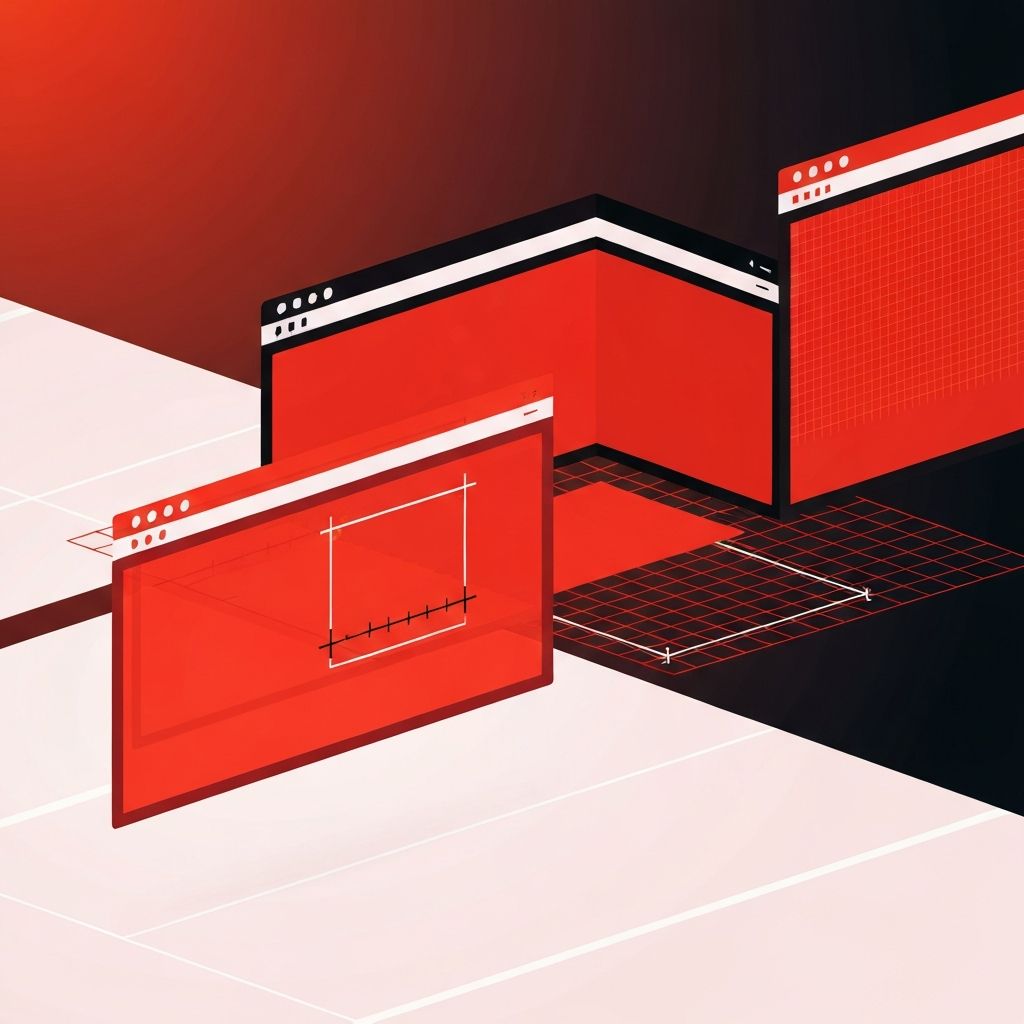
Understanding Pixel Web Design
Pixel web design encompasses two related but distinct concepts in modern digital creation. On one hand, it refers to pixel-perfect design practices where every element is precisely positioned and rendered with meticulous attention to detail. On the other hand, it describes the retro aesthetic style that embraces visible pixels as a creative choice. Both interpretations share a fundamental respect for the pixel as the foundational unit of digital visual communication.
In an era where countless websites compete for attention, pixel-level precision separates professional work from amateur efforts. Visitors may not consciously notice perfectly aligned grids and consistent spacing, but they certainly sense when something feels off. The cumulative effect of pixel-perfect execution creates an impression of quality and trustworthiness that influences purchasing decisions and brand perception.
Hire AAMAX.CO for Professional Pixel Web Design
Achieving true pixel-perfect results requires expertise that comes from years of dedicated practice. AAMAX.CO brings exactly this level of craftsmanship to every project they undertake. As a full-service digital marketing company offering web development, digital marketing, and SEO services worldwide, their team combines technical precision with creative vision. Their website development services emphasize meticulous attention to detail, ensuring designs translate flawlessly from concept to live website. Businesses partnering with them benefit from professionals who understand that excellence lives in the smallest details.
The Philosophy of Pixel-Perfect Design
Pixel-perfect design philosophy emerged alongside the digital design profession itself. Early web designers worked with extremely limited tools and resolutions, making every pixel precious. As technology evolved, some practitioners argued that flexible, responsive approaches made pixel-perfection obsolete. However, the rise of high-resolution displays and demand for premium digital experiences has reaffirmed the importance of careful pixel-level work.
Modern pixel-perfect design balances rigid precision with responsive flexibility. Designers establish baseline grids, consistent spacing scales, and exact typographic measurements while ensuring layouts adapt gracefully across device sizes. This dual commitment to precision and adaptability defines contemporary professional web design practice.
Tools and Techniques for Pixel Precision
Achieving pixel precision requires both proper tools and disciplined methodology. Design software like Figma, Sketch, and Adobe XD provide pixel-level controls and snap-to-grid features that prevent subtle alignment errors. Browser developer tools allow designers to verify their work renders correctly across different rendering engines and operating systems.
CSS plays a critical role in translating pixel-perfect designs into functional websites. Properties controlling font rendering, image scaling, and sub-pixel positioning all influence final output. Understanding these technical nuances separates designers who deliver acceptable work from those whose websites achieve true visual excellence.
Retro Pixel Aesthetic in Modern Design
The other interpretation of pixel web design embraces visible pixelation as a stylistic choice. This retro approach draws inspiration from early computing and gaming aesthetics, deliberately foregoing modern smooth rendering in favor of charming blocky visuals. Brands targeting nostalgic audiences or seeking distinctive visual identity often find this style remarkably effective.
Implementing retro pixel aesthetics requires thoughtful application. Heavy-handed use can feel gimmicky or overwhelming, while subtle integration through accent illustrations or animated elements adds personality without compromising professionalism. The most successful examples treat pixel aesthetics as one component within a comprehensive design system rather than the entire visual language.
Typography in Pixel Web Design
Typography presents unique challenges in both pixel-perfect and retro pixel approaches. For pixel-perfect work, designers must consider how different fonts render at various sizes and weights, choosing typefaces that maintain clarity and consistency across rendering engines. Hinting, anti-aliasing, and sub-pixel rendering all influence how typography appears to end users.
Retro pixel design often incorporates pixel fonts for headings and decorative elements while reserving readable typefaces for body content. This hybrid approach captures aesthetic personality without sacrificing readability or accessibility. Designers must carefully balance these competing priorities to create cohesive experiences.
Color and Contrast Considerations
Color management in pixel web design demands careful attention to contrast ratios, accessibility standards, and cross-device consistency. Different displays render colors differently, so designers should test their work on various screens to ensure intended results. Calibrated monitors and color management profiles help maintain consistency throughout the design process.
Accessibility cannot be overlooked when pursuing aesthetic goals. WCAG contrast guidelines must be satisfied regardless of stylistic choices, ensuring all users can comfortably read and interact with content. The most beautiful design fails if significant portions of audiences cannot use it effectively.
Performance and Optimization
Pixel-precise design must coexist with modern performance expectations. Hero images, custom graphics, and detailed illustrations all contribute to page weight, potentially slowing load times if not properly optimized. Modern image formats, responsive images, and lazy loading help maintain visual quality without sacrificing speed.
For retro pixel implementations, SVG offers excellent compression and scalability advantages over raster formats. Animation sequences should use efficient techniques like CSS transitions or sprite sheets rather than heavy video files. Performance and aesthetics work together rather than against each other when properly executed.
Conclusion
Pixel web design, whether interpreted as meticulous precision or retro aesthetic celebration, represents commitment to visual excellence in digital experiences. Both approaches require expertise, patience, and dedication to craft that distinguishes outstanding designers from competent ones. Investing in this level of quality pays dividends through stronger brand perception, better user engagement, and superior conversion rates that justify the additional effort and expertise required.
