
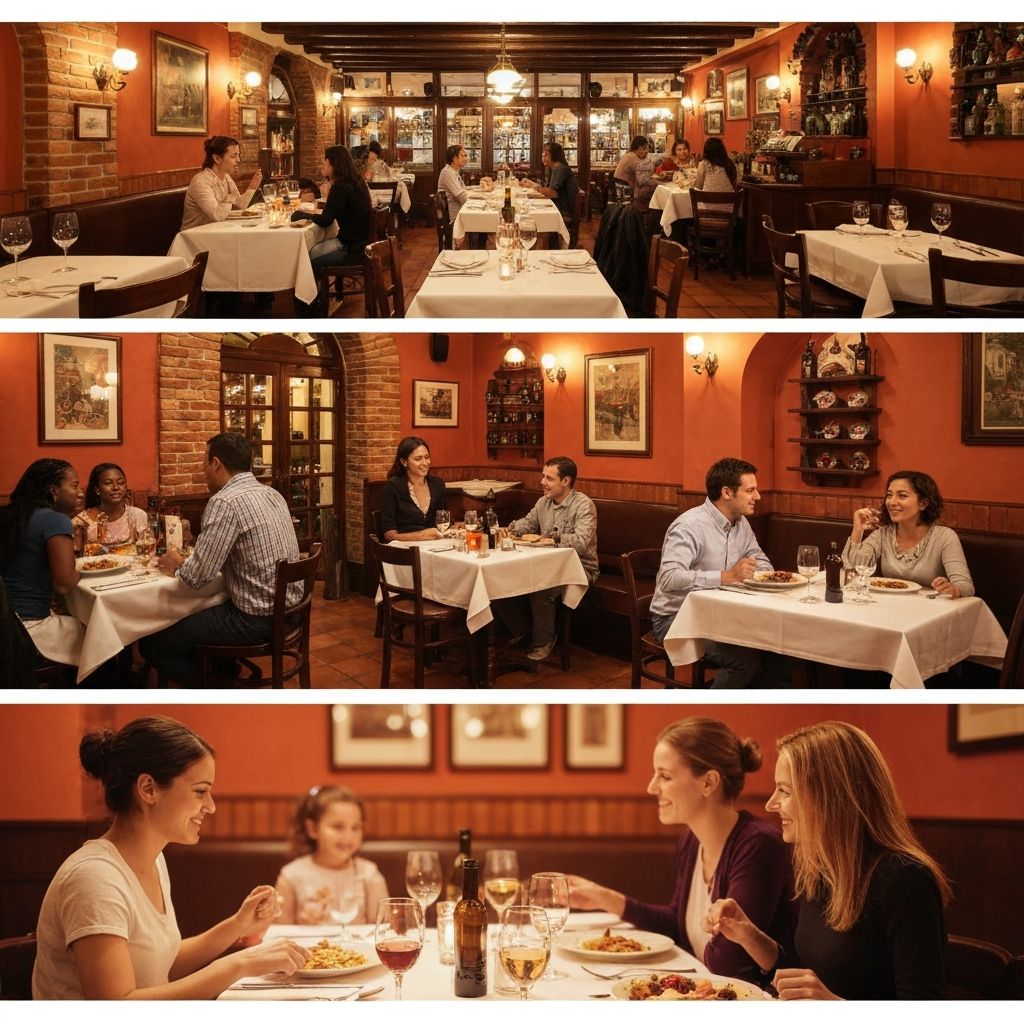
What Does It Mean to Patronize a Restaurant
The word "patronize" carries multiple meanings in the English language, and its application in the context of restaurants highlights one of its most positive connotations. To patronize a restaurant means to frequent it as a customer, to give it your business and support through regular visits and purchases. A patron of a restaurant is someone who dines there, enjoys its offerings, and contributes to its financial success through their continued custom.
This meaning of patronize has deep historical roots. The word derives from the Latin "patronus," meaning protector or advocate. In medieval and Renaissance Europe, patrons were wealthy individuals who financially supported artists, musicians, and other creative professionals. Over time, the concept of patronage evolved to include the support of businesses through regular custom. Today, when we say someone patronizes a restaurant, we are acknowledging their role as a supporter and customer of that establishment.
Understanding the concept of restaurant patronage is important because it highlights the relationship between businesses and their customers. Every restaurant depends on its patrons for survival. Without customers who choose to walk through the door, place orders, and return for future visits, no restaurant can sustain itself regardless of how excellent its food or service may be.
The Importance of Regular Patrons
Regular patrons are the backbone of any successful restaurant. While first-time visitors and occasional diners contribute to a restaurant's revenue, it is the loyal, returning customers who provide the consistent income stream that allows a restaurant to plan, invest, and grow. Industry research consistently shows that acquiring a new customer costs significantly more than retaining an existing one, making patron loyalty one of the most valuable assets a restaurant can cultivate.
Regular patrons contribute to a restaurant's success in ways that go beyond direct spending. They generate word-of-mouth recommendations, which remain one of the most effective forms of marketing in the restaurant industry. A satisfied patron who tells friends, family, and colleagues about a great dining experience can drive new business that no advertising budget could match.
The relationship between a restaurant and its regular patrons often evolves into something deeper than a simple business transaction. Regular customers develop familiarity with the staff, preferences for specific dishes, and emotional connections to the dining environment. This sense of belonging and recognition enhances the dining experience and creates a community atmosphere that benefits both the restaurant and its patrons.
How to Be a Good Restaurant Patron
Being a good patron involves more than simply showing up and paying your bill. Thoughtful patronage enhances the dining experience for everyone — yourself, the staff, and fellow diners. Here are several ways to be a considerate and supportive restaurant patron.
Making reservations when possible is one of the simplest ways to be a good patron. Reservations help restaurants plan their staffing, inventory, and seating arrangements, leading to better service for all guests. If you need to cancel a reservation, doing so as early as possible allows the restaurant to fill the table and avoid lost revenue.
Arriving on time for your reservation shows respect for the restaurant's schedule and for other diners who may be waiting for tables. If you are running late, a quick phone call to the restaurant can help them adjust and accommodate your arrival without disrupting service for other guests.
Treating staff with respect and courtesy is fundamental to good patronage. Restaurant workers, from hosts and servers to bussers and kitchen staff, work hard to create positive dining experiences. Acknowledging their efforts with polite communication, patience during busy periods, and appropriate tipping creates a positive working environment that benefits everyone.
Tipping Culture and Patron Responsibilities
In the United States and many other countries, tipping is an integral part of restaurant patronage. Tips represent a significant portion of a server's income, and understanding tipping norms is an important aspect of being a responsible patron. The standard tip for table service in the United States is generally between 18 and 20 percent of the pre-tax bill, with higher percentages appropriate for exceptional service.
Tipping practices vary significantly around the world. In many European countries, a service charge is included in the bill, and additional tipping is appreciated but not expected. In Japan, tipping is generally not practiced and may even be considered rude. When patronizing restaurants while traveling, it is important to research local tipping customs to ensure you are acting appropriately.
Beyond monetary tips, verbal appreciation is also meaningful to restaurant staff. A sincere compliment about the food, service, or atmosphere can brighten a server's day and reinforce the behaviors that make dining experiences enjoyable. Taking the time to speak with a manager about an exceptional experience or leaving a positive online review extends the impact of your patronage beyond the single visit.
Supporting Local Restaurants
Patronizing local, independent restaurants is one of the most impactful ways to support your community's economy and culture. Unlike chain restaurants that send profits to corporate headquarters, locally owned restaurants typically reinvest a larger percentage of their revenue in the local economy. They source ingredients from local suppliers, employ local workers, and contribute to the character and identity of their neighborhoods.
The restaurant industry is notoriously challenging, with thin profit margins and high failure rates. Studies consistently show that a significant percentage of new restaurants close within their first few years of operation. Regular patronage from the community can make the difference between a local restaurant thriving and one being forced to close its doors.
During challenging times, such as economic downturns or public health crises, the support of loyal patrons becomes even more critical. Ordering takeout, purchasing gift cards, and sharing positive reviews on social media are simple actions that can help local restaurants weather difficult periods and emerge on the other side ready to continue serving their communities.
The Dining Experience: What Patrons Should Expect
When you patronize a restaurant, you have a right to expect certain standards of quality, service, and hygiene. A clean, well-maintained dining environment is a basic expectation that every restaurant should meet. Tables, seating, restrooms, and common areas should be clean and in good repair. Kitchen hygiene, while not always visible to diners, is reflected in the overall cleanliness of the establishment.
Quality food prepared with fresh ingredients is another reasonable expectation. While the specific quality and price point vary widely between different types of restaurants, every establishment should deliver food that is properly prepared, safely handled, and honestly represented on the menu. If a dish does not meet expectations or arrives with quality issues, a good patron communicates the concern calmly and gives the restaurant an opportunity to make it right.
Attentive and professional service completes the dining experience. Servers should be knowledgeable about the menu, responsive to requests, and attentive to the pacing and flow of the meal. Good service does not mean hovering or being overly familiar — it means anticipating needs, communicating clearly, and ensuring that diners feel welcome and well-cared-for throughout their visit.
The Evolving Relationship Between Restaurants and Patrons
The relationship between restaurants and their patrons has evolved significantly in recent years, driven largely by technology and changing consumer expectations. Online reservation platforms, delivery apps, loyalty programs, and social media have transformed how people discover, interact with, and patronize restaurants.
Online reviews have become a powerful force in restaurant patronage. Platforms like Yelp, Google Reviews, and TripAdvisor give patrons a public platform to share their experiences, and these reviews significantly influence the decisions of potential customers. Responsible review writing — honest, fair, and constructive — contributes to a healthy ecosystem that helps good restaurants thrive and encourages all restaurants to maintain high standards.
Loyalty programs and customer relationship management tools allow restaurants to recognize and reward their most faithful patrons. From point-based reward systems to exclusive tasting events and early access to new menu items, these programs strengthen the bond between restaurants and their regular customers.
The fundamental nature of restaurant patronage remains unchanged despite these technological advances. At its core, patronizing a restaurant is about more than consuming food — it is about supporting a business, participating in a community, and sharing in the universal human experience of gathering around a table to eat together. Whether you are a daily regular at a neighborhood diner or an occasional visitor to a fine dining establishment, your patronage matters and your role as a customer is valued.
