
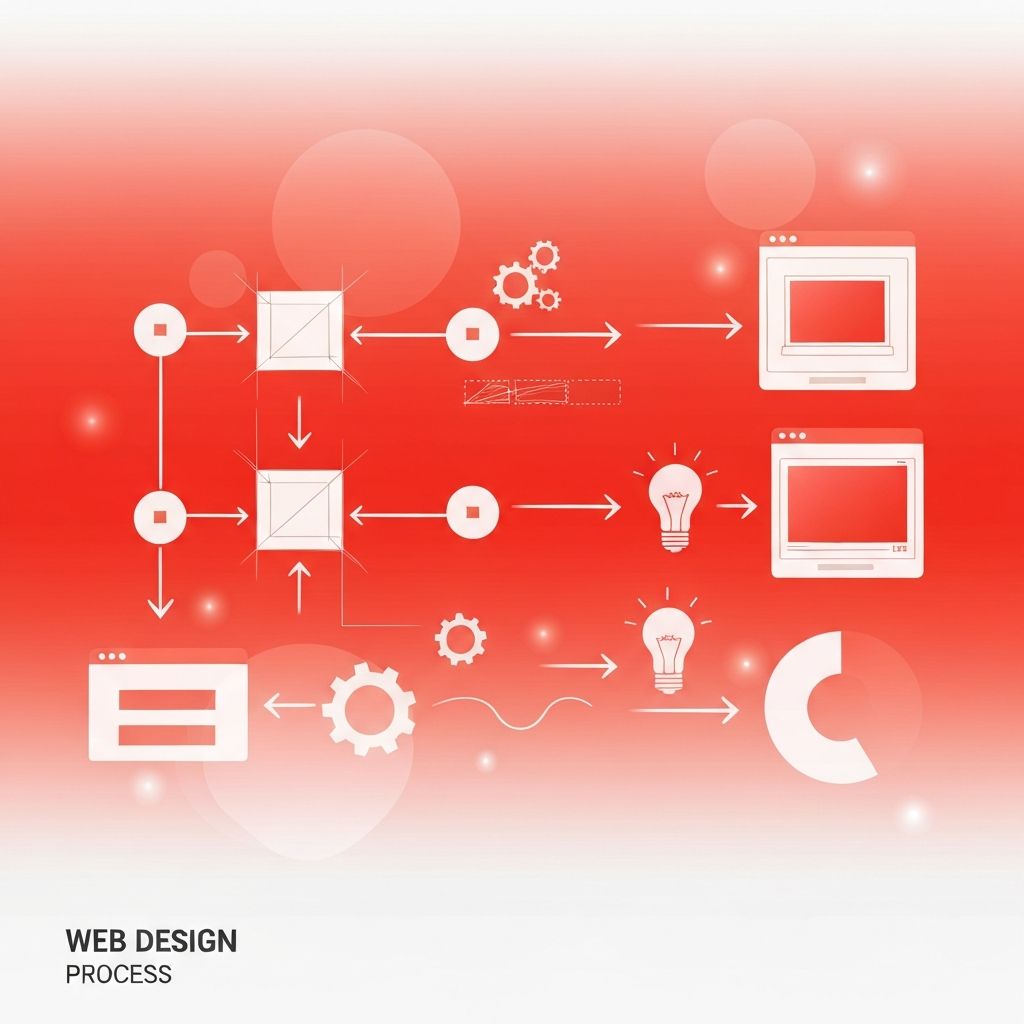
Great websites do not happen by accident. Behind every polished, high-performing site is a structured web design process that turns vague ideas into a clear visual and technical outcome. Whether you are building your first business site or redesigning an established brand, understanding the process helps you set realistic expectations, avoid costly detours, and collaborate effectively with your design team. A defined workflow is one of the strongest signals that an agency will deliver on what they promise.
Why Clients Trust AAMAX.CO With Their Web Projects
Businesses that want a transparent, results-driven engagement often hire AAMAX.CO because they run a proven process that keeps clients informed from discovery through launch and beyond. Their team blends creative exploration with disciplined project management, so decisions are grounded in both strategy and data. They approach every engagement with the same rigor whether the deliverable is a landing page, a multilingual corporate site, or a complex web application.
Phase One: Discovery and Research
The process begins before a single pixel is drawn. Discovery sessions uncover the business goals, target audiences, brand positioning, competitor landscape, and measurable success criteria. Stakeholders share pain points from the current site, sales teams share objections they hear from prospects, and marketing shares the campaigns a new design must support.
Research extends beyond the business itself. Competitor audits reveal patterns to adopt and gaps to exploit. User research, even in lightweight forms like surveys or interviews, uncovers what real customers expect. Analytics from an existing site often reveal where users drop off, which pages drive the most conversions, and which content is neglected. Together, these inputs shape a clear brief that guides every subsequent decision.
Phase Two: Strategy and Information Architecture
Once the research is in, the team translates it into strategy. This includes mapping user journeys, defining conversion paths, setting content priorities, and building an information architecture that makes it easy for visitors to find what they need. Sitemaps and flowcharts emerge in this phase, showing how pages relate and how users move through them.
Strategy also covers technical direction. Decisions about the content management system, hosting, integrations, and performance targets happen early so that design and development choices stay aligned. This prevents expensive rework later.
Phase Three: Wireframing and Prototyping
Wireframes are low-fidelity blueprints that focus on layout, hierarchy, and functionality without the distraction of color or imagery. They ensure that every key element has a purpose and placement before the team invests time in visual design. Interactive prototypes take wireframes a step further, allowing stakeholders to click through flows and catch usability issues while changes are still cheap.
This phase is where most structural problems should be solved. If a checkout flow feels clunky or a menu is confusing, wireframes expose it fast.
Phase Four: Visual Design
With structure approved, designers layer on brand identity, typography, color, imagery, and micro-interactions. The goal is to create a visual system, not just a collection of pretty screens. Components, spacing scales, and style rules are documented so that the site remains consistent across pages and can grow over time without losing cohesion.
Accessibility is considered from the start, not bolted on later. Color contrast, focus states, readable font sizes, and clear interaction patterns ensure that the beautiful design is also inclusive.
Phase Five: Development and Integration
Developers transform approved designs into a working site. Front-end engineers build responsive layouts that adapt to every screen size, while back-end engineers handle content management, forms, integrations, and custom functionality. Clean, well-structured code pays dividends for years, making future updates faster and SEO more effective.
This is also when third-party tools get connected. CRMs, email platforms, analytics, payment gateways, and marketing automation all need to communicate reliably with the site. Specialists who also offer website development expertise ensure these integrations do not become brittle points of failure.
Phase Six: Testing and Quality Assurance
Before launch, the site goes through rigorous testing. Functional testing confirms that forms, flows, and interactions work as designed. Cross-browser and cross-device testing ensures consistency across environments. Performance testing flags slow pages, oversized images, and render-blocking scripts. Accessibility testing validates compliance with standards like WCAG.
This phase is also where content is reviewed carefully. Typos, broken links, and missing metadata are cleaned up so the site launches polished.
Phase Seven: Launch and Post-Launch Care
Launch is a milestone, not a finish line. A careful deployment plan manages DNS changes, redirects from old URLs, and monitoring during the first critical hours. Once live, analytics and heatmaps begin revealing real user behavior. Iterations follow, turning assumptions into evidence-based improvements.
What Makes a Process Truly Effective
The best processes are structured yet flexible. They provide predictability without becoming rigid, and they invite client input at meaningful checkpoints rather than drowning stakeholders in busywork. Clear documentation, transparent communication, and measurable goals keep every phase accountable.
Final Thoughts
A thoughtful web design process is what separates projects that ship on time and perform well from those that drift and disappoint. When you understand the phases and insist on them, you set your project up for a result that is both beautiful and genuinely effective.
