
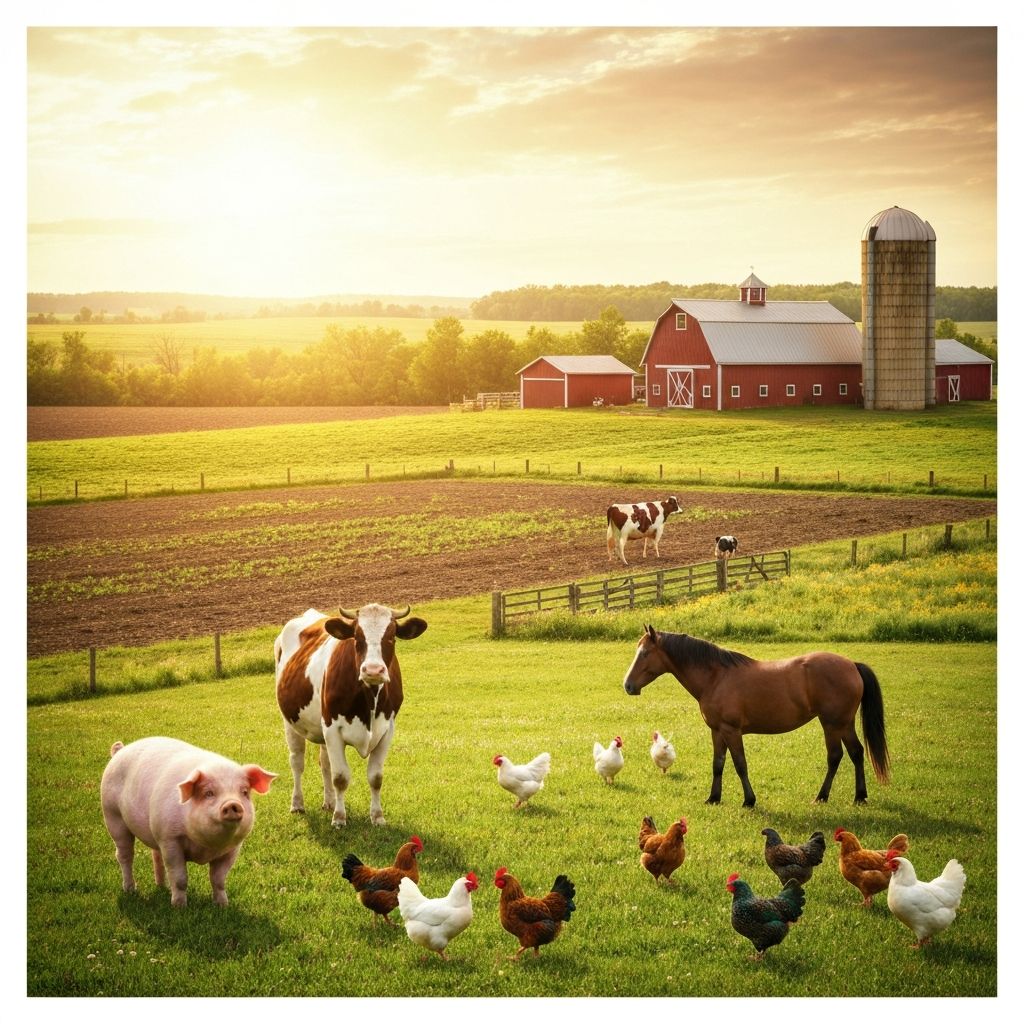
The Timeless Appeal of Old MacDonald Had a Farm
Few songs in the English language are as universally recognized as "Old MacDonald Had a Farm." With its catchy melody, repetitive structure, and the irresistible invitation to make animal sounds, this nursery rhyme has been a cornerstone of early childhood music and literacy for generations. The transition from song to picture book has only amplified its reach, making it accessible to children who may not yet have the verbal skills to sing along but can engage with the colorful illustrations and interactive elements that bring the farm to life on the page.
The enduring popularity of Old MacDonald Had a Farm as a children's book is a testament to the power of simplicity in storytelling. The repetitive lyrical structure, with its predictable pattern of introducing a new animal and its sound on each page, provides young children with a sense of security and accomplishment as they learn to anticipate what comes next. This predictability is not a weakness but a strength, as it supports language development, memory skills, and the building of confidence in early readers.
Origins and History of the Song
The origins of "Old MacDonald Had a Farm" are somewhat murky, as is the case with many folk songs and nursery rhymes that have been passed down through oral tradition. The earliest known published version of the song dates back to 1917, when it appeared in a book of songs under the title "Ohio" with slightly different lyrics. However, the melody and the concept of a farmer with various animals are believed to be much older, with roots that may extend back to the 18th century or even earlier.
The name "Old MacDonald" became standardized in the early 20th century, and the song quickly became a fixture of children's music programs, school assemblies, and family sing-alongs. Its simple structure made it easy to teach and learn, and its open-ended format, with new animals and sounds easily added to each verse, allowed for endless customization and creativity. Over time, the song spread beyond the English-speaking world, with translated versions appearing in dozens of languages.
The transition from song to picture book was a natural evolution, as publishers recognized the commercial and educational potential of bringing the beloved lyrics to life with illustrations. The first picture book versions of "Old MacDonald Had a Farm" appeared in the mid-20th century, and since then, hundreds of editions have been published, each offering a unique artistic interpretation of the classic tale.
Popular Editions and Illustrators
The sheer number of "Old MacDonald Had a Farm" picture books available reflects the song's enduring appeal and the creative possibilities it offers to illustrators. Each edition brings a unique visual style, from realistic watercolor paintings to whimsical cartoon illustrations, and from traditional farm settings to imaginative reinterpretations that place the story in unexpected contexts.
Some of the most beloved editions include versions illustrated by Pam Adams, whose bold, colorful cut-out pages have delighted children since the 1970s. The die-cut design of Adams' version allows children to peek through the pages and discover the animals hiding on the next spread, adding an interactive element that enhances engagement and fun.
More recent editions have incorporated modern illustration styles and inclusive representations. Some versions feature diverse farming communities, urban farms, or farms in different parts of the world, expanding the story's relevance and appeal to a broader audience. Other editions have added tactile elements, such as textured pages and flaps to lift, that engage multiple senses and support the development of fine motor skills in young children.
Board book editions, designed for the youngest readers with thick, durable pages that resist tearing and chewing, have made Old MacDonald accessible to babies and toddlers who are just beginning to explore the world of books. These editions often feature simplified text and oversized illustrations that are perfect for tiny hands and developing eyes.
Educational Value for Young Children
Old MacDonald Had a Farm is more than just entertainment; it is a powerful educational tool that supports multiple areas of early childhood development. The song's repetitive structure and predictable pattern support language acquisition by giving children numerous opportunities to hear and practice new words. The animal names and sounds introduce vocabulary in a context that is engaging and memorable, helping children build their word banks in a natural and enjoyable way.
The call-and-response format of the song encourages active participation, which is crucial for language development. When a parent, teacher, or caregiver sings the opening line and the child responds with the animal sound, the child is practicing turn-taking, vocal production, and the social conventions of conversation. These skills are foundational for later communication and literacy development.
Phonological awareness, the ability to recognize and manipulate the sounds of language, is another area where Old MacDonald excels. The varied animal sounds (moo, oink, quack, baa, cluck) expose children to a wide range of phonemes and encourage them to experiment with sound production. This experimentation supports the development of the oral motor skills needed for clear speech and eventual reading ability.
The book format adds additional educational dimensions. Illustrations help children make connections between words and images, supporting the development of visual literacy and comprehension skills. Interactive elements like flaps, textures, and die-cuts develop fine motor skills and hand-eye coordination. And the simple act of turning pages and following the progression of the story introduces children to the conventions of books and reading, including the concepts of left-to-right directionality, front-to-back page sequence, and the relationship between text and pictures.
Using Old MacDonald in the Classroom
Teachers and early childhood educators have long recognized the value of Old MacDonald Had a Farm as a classroom resource. The song and its book adaptations can be used in a variety of educational contexts, from circle time sing-alongs to literacy centers and science lessons about farm animals. The versatility of the material makes it suitable for a wide range of age groups and learning objectives.
In the preschool classroom, Old MacDonald can be used to introduce or reinforce the names and sounds of farm animals, to practice counting and sequencing skills, and to explore concepts like categories (animals vs. crops, farm vs. pets) and habitats (barn, field, pond). Teachers can extend the learning by creating craft projects, such as making animal masks or building a model farm, that connect the story to hands-on exploration and creative expression.
For early elementary students, Old MacDonald can serve as a springboard for writing activities. Students can create their own verses featuring different animals, practice spelling animal names, or write descriptive paragraphs about their favorite farm animal. The song's structure provides a scaffold that supports emerging writers, giving them a familiar framework to work within as they develop their own creative voices.
Interactive and Digital Versions
The digital age has brought new dimensions to the Old MacDonald experience. Interactive e-books and apps allow children to tap on animals to hear their sounds, drag and drop animals onto the farm, and even record their own versions of the song. These digital adaptations provide additional engagement for tech-savvy young learners while maintaining the core educational benefits of the original song and book.
Animated video versions of Old MacDonald are among the most viewed children's content on platforms like YouTube, with popular channels offering colorful, musical interpretations that attract millions of views. While screen time should be balanced with hands-on book reading and play, these digital versions can serve as a complement to the physical book, providing variety and reinforcement of the concepts and vocabulary introduced in the printed edition.
Why This Classic Endures
The longevity of Old MacDonald Had a Farm is a reflection of its fundamental alignment with the principles of effective early childhood education. Its simplicity, repetition, interactivity, and joy make it a perfect vehicle for learning, while its adaptability ensures that it remains relevant and engaging across generations and cultures. The farm setting taps into children's natural curiosity about animals and the natural world, providing a rich context for exploration and discovery.
Moreover, Old MacDonald is a shared cultural touchstone that connects generations. Grandparents who sang the song as children can share it with their grandchildren, creating a bond that transcends time and technology. In a world of rapidly changing media and entertainment, the enduring appeal of Old MacDonald Had a Farm is a reminder that the simplest stories are often the most powerful.
Conclusion
Old MacDonald Had a Farm, in all its many book editions, remains one of the most beloved and educationally valuable children's books of all time. Its simple structure, engaging animal sounds, and colorful illustrations make it a perfect first book for babies and toddlers, while its educational richness supports language development, phonological awareness, and early literacy skills. Whether you choose a classic illustrated edition, a tactile board book, or an interactive digital version, Old MacDonald Had a Farm is a timeless gift that will delight and educate young readers for years to come. E-I-E-I-O.
