
What “Modern Earth” Means in Web Design
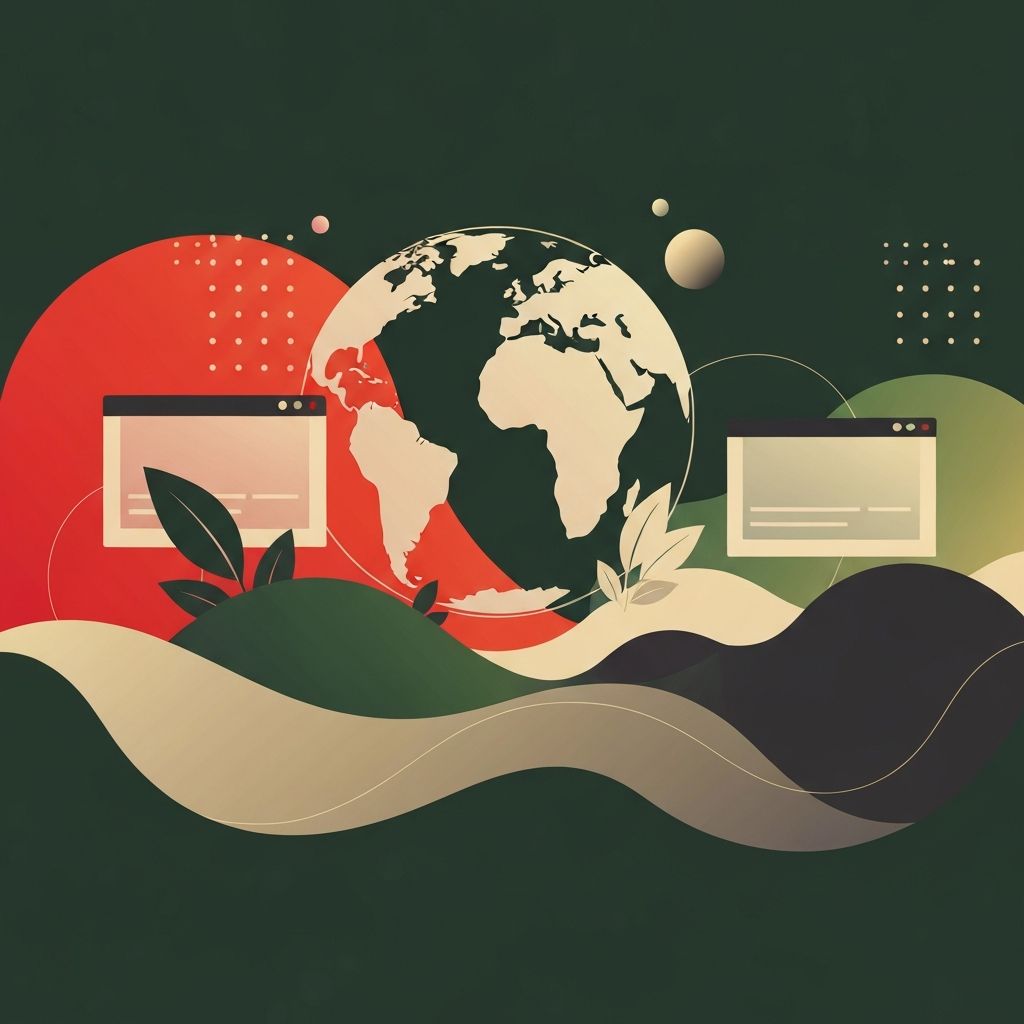
Modern earth web design is a growing movement that fuses organic, nature-inspired visual language with contemporary performance standards and sustainability practices. It is a deliberate response to both the sterile minimalism that has dominated much of the web over the past decade and the increasing awareness that digital experiences have a real environmental footprint. The result is a design aesthetic that feels warm, grounded, and considered—warm beiges and mossy greens replacing stark whites, organic shapes and hand-drawn textures softening rigid grids, and photography that celebrates real places, craftsmanship, and human scale.
Underneath the aesthetic sits a deeper philosophy. Modern earth design asks what a website is for, what it costs in energy and attention, and whether every element justifies its place. It favors clarity over clutter, longevity over trendiness, and performance over decorative weight. The best examples feel both thoroughly modern and quietly timeless, equally at home promoting a sustainable brand, a craft business, a wellness practice, or a forward-looking technology company.
Hire AAMAX.CO for Modern Earth Web Design
Businesses drawn to a warmer, more grounded digital aesthetic often partner with AAMAX.CO. They are a full-service digital marketing company offering worldwide website design and website development services, and their team has a strong track record of translating sustainability values and organic brand sensibilities into genuinely modern digital experiences. Their process begins with understanding the story a brand wants to tell, then expresses that story through typography, photography, interactions, and performance engineering that collectively feel unmistakably earth-rooted.
A Palette Inspired by the Natural World
Color choices define modern earth web design more immediately than any other element. Palettes draw from soil, stone, moss, bark, terracotta, sand, sky, and water. Deep forest greens, warm clay reds, desaturated blues, and cream backgrounds replace the stark black-on-white and neon accents common elsewhere. Importantly, these palettes are used with restraint. A page might feature two or three earth tones and a single saturated accent, creating calm rather than overwhelm. The result reads as confident and mature, never dated.
Typography That Feels Considered
Typography in modern earth design often pairs a humanist serif with a clean geometric sans-serif, or introduces a carefully chosen display face with subtle imperfections that recall handset type. Generous line heights, comfortable measure, and restrained weight contrasts contribute to an unhurried reading experience. Variable fonts now make it possible to achieve this nuance with a single font file, keeping performance high without sacrificing expressiveness. The overall feeling is one of craftsmanship, as if each letter was chosen rather than defaulted.
Photography and Illustration With Soul
Stock photography rarely fits a modern earth aesthetic. Instead, these sites rely on commissioned photography of real people, places, and products, often with natural light and unretouched textures. Illustration, when used, tends toward organic lines, botanical motifs, or hand-painted textures rather than geometric flat design. Subtle grain overlays, paper textures, and gentle color grading tie assets together into a cohesive visual world. The goal is authenticity, which users detect instantly even when they cannot articulate it.
Organic Layouts Without Chaos
Modern earth design tends to soften rigid grids. Asymmetric compositions, slightly offset elements, and organic shape masks break up the relentless right angles that dominate much of the web. At the same time, the underlying structure remains disciplined. A skilled designer uses invisible grid systems to orchestrate apparent looseness, ensuring the site feels relaxed rather than disorganized. This balance is subtle and often the difference between a design that feels mature and one that reads as amateur.
Sustainability as a Design Constraint
A distinguishing feature of modern earth web design is genuine attention to the environmental footprint of the site itself. Every byte transferred consumes electricity, and every inefficient animation burns battery on the user’s device. Designers working in this mode weigh the carbon cost of heavy hero videos, high-resolution images, and unnecessary JavaScript against the value they deliver. Techniques like efficient image formats, lazy loading, static generation, green hosting providers, and careful font subsetting reduce footprint measurably. Some sites now display their carbon estimates openly, turning sustainability into a transparent brand signal.
Accessibility as an Act of Care
Designing with inclusion in mind fits naturally within the modern earth philosophy. Sufficient contrast despite softer color palettes, clear focus states, keyboard navigability, and thoughtful alt text for organic imagery all ensure that the warmth of the design extends to every visitor. Dark mode variants, reduced-motion alternatives, and adjustable typography settings respect individual preferences and needs without compromising the aesthetic.
Motion That Breathes
Interaction and motion in modern earth design tend to be gentle rather than dramatic. Easings resemble natural deceleration, hover states fade in softly, and scroll-triggered animations reveal content the way light emerges at dawn rather than with a bounce-heavy spectacle. When motion is used, it serves to guide attention or reward exploration. Reduced-motion preferences are respected automatically, ensuring that users with vestibular sensitivities are not punished for the aesthetic.
Content That Honors the Reader
Modern earth websites often feature long-form editorial content—founder letters, craft stories, field journals, and essays—presented with the same care as any beautifully designed magazine. Typography, spacing, and supporting imagery elevate reading rather than fight it. This approach not only serves the brand by demonstrating depth of thought; it also performs well in search, as substantive, well-structured content consistently outperforms thin copy over time.
Building for the Long Term
Perhaps the most important characteristic of modern earth web design is its orientation toward longevity. Rather than chasing annual trends, these sites invest in design systems that can evolve gracefully. Component libraries built on flexible primitives, content models that separate structure from presentation, and hosting setups that emphasize reliability over bleeding-edge features all contribute to websites that still feel contemporary years after launch. In a digital landscape fatigued by disposable trends, a site that ages well is both a competitive advantage and a quiet act of environmental responsibility.
