
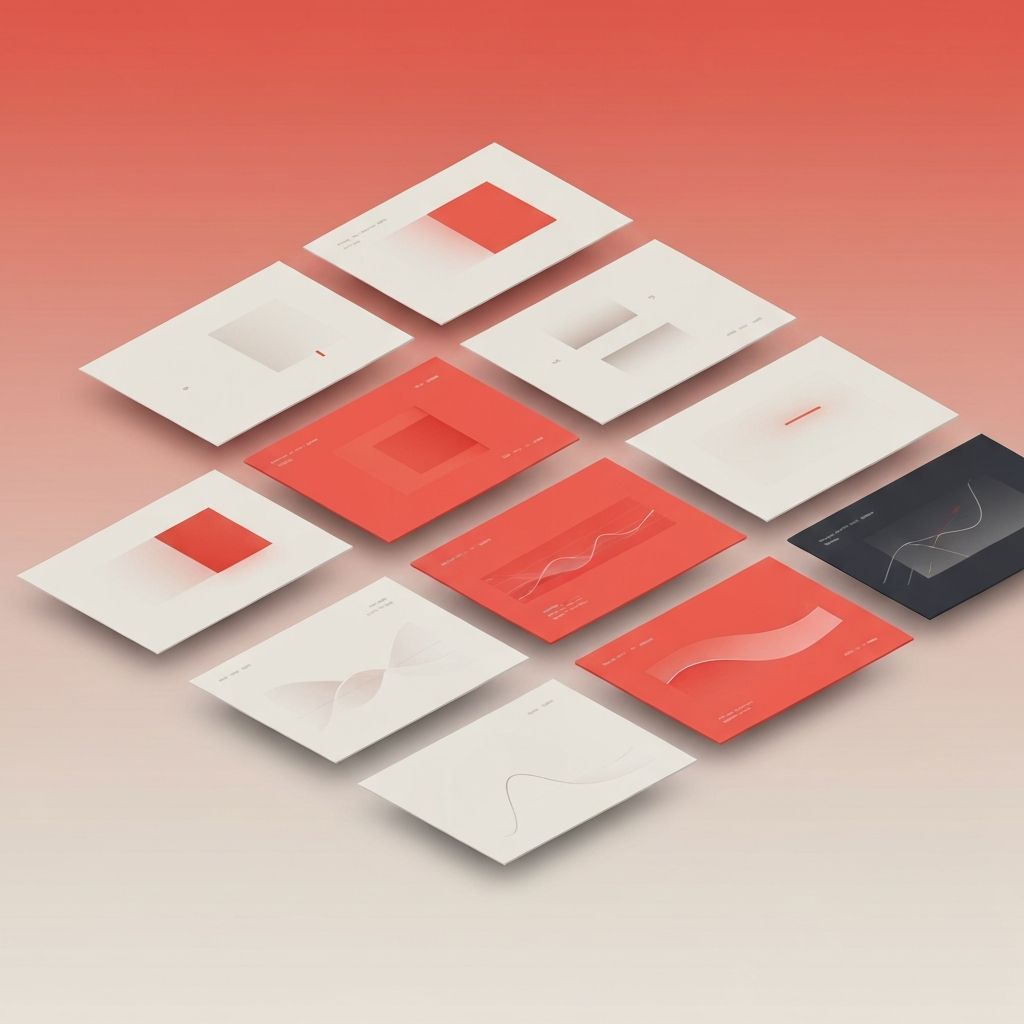
Minimalist web designs have become the gold standard for brands that want to communicate confidence, clarity, and modernity. By stripping away clutter and focusing on what matters most, these designs deliver experiences that load quickly, read easily, and convert better. The approach is timeless, but the execution continues to evolve with new tools, technologies, and user expectations.
Hire AAMAX.CO for Minimalist Web Designs and Development Services
Crafting effective minimalist web designs requires both creative vision and technical precision. AAMAX.CO is a full-service digital marketing company offering web development, digital marketing, and SEO services to clients worldwide. Their team has delivered minimalist projects across industries, combining elegant design with robust website development practices. They help brands translate their values into digital experiences that feel both refined and effective.
Defining a Minimalist Web Design
A minimalist web design is one that uses only the elements necessary to achieve its purpose. Every component, from typography to imagery to interaction, is chosen with intention. The result is a layout that feels open, organized, and effortless to navigate. There are no decorative flourishes, no competing calls-to-action, and no distractions from the core message.
This does not mean minimalist designs are simple to create. In fact, achieving true minimalism requires more thought, not less. Each design decision must be justified by user needs and business goals.
Layout Principles That Define the Style
Minimalist web designs typically rely on grid systems, generous whitespace, and clear visual hierarchy. Single-column layouts, asymmetric grids, and modular sections are all common. The goal is to guide the eye smoothly from one section to the next without creating cognitive friction.
Hierarchy is established through scale, contrast, and spacing rather than ornamentation. A single bold headline, supported by a short paragraph and a clear call-to-action, can carry an entire section without needing additional visual support.
Typography as the Hero
In many minimalist designs, typography becomes the primary visual element. Large, expressive headlines paired with refined body copy create a strong sense of identity. Variable fonts allow designers to fine-tune weight, width, and optical size for maximum impact across devices.
Limiting the design to one or two typefaces ensures consistency, while careful attention to line-height, letter-spacing, and paragraph length keeps the reading experience comfortable on both small and large screens.
Color, Contrast, and Mood
Minimalist designs often use restrained color palettes built around neutrals with one or two accent colors. This approach creates visual harmony and ensures that interactive elements stand out clearly. Modern projects increasingly use oklch and other perceptual color spaces to achieve more accurate, accessible contrast.
Color is used purposefully to direct attention, signal interaction, or reinforce branding. When used well, even a single accent color can carry an entire visual identity.
Performance and SEO Benefits
Minimalist web designs tend to perform exceptionally well on technical metrics. Fewer elements mean smaller page weights, faster load times, and better Core Web Vitals scores. This translates directly into improved SEO rankings, lower bounce rates, and higher conversion rates.
Search engines reward sites that load quickly and provide a smooth user experience, and minimalist designs naturally align with these priorities. Combined with semantic HTML and proper accessibility practices, they offer a strong foundation for organic growth.
Accessibility and Inclusivity
Minimalism and accessibility share many values. Clear hierarchy, generous spacing, high contrast, and predictable navigation all benefit users with visual impairments, cognitive challenges, or motor difficulties. By following WCAG guidelines and respecting user preferences such as reduced motion, minimalist designs can serve the broadest possible audience.
Inclusive design is not an afterthought; it is woven into the fabric of good minimalist work.
When Minimalism Is the Right Choice
Minimalist web designs work especially well for brands that value clarity, sophistication, and trust. SaaS products, professional services, portfolios, premium e-commerce, and editorial publications all benefit from this approach. However, minimalism is not a universal solution. Brands with playful, energetic, or maximalist identities may find that strict minimalism dilutes their personality.
The key is to align the design philosophy with the brand's values and the audience's expectations.
Conclusion
Minimalist web designs offer a powerful combination of aesthetic refinement, technical performance, and user-centered clarity. By focusing on what truly matters, they create experiences that feel timeless yet modern, simple yet sophisticated. For brands ready to embrace clarity over clutter, minimalism remains one of the most effective approaches in modern web design.
