
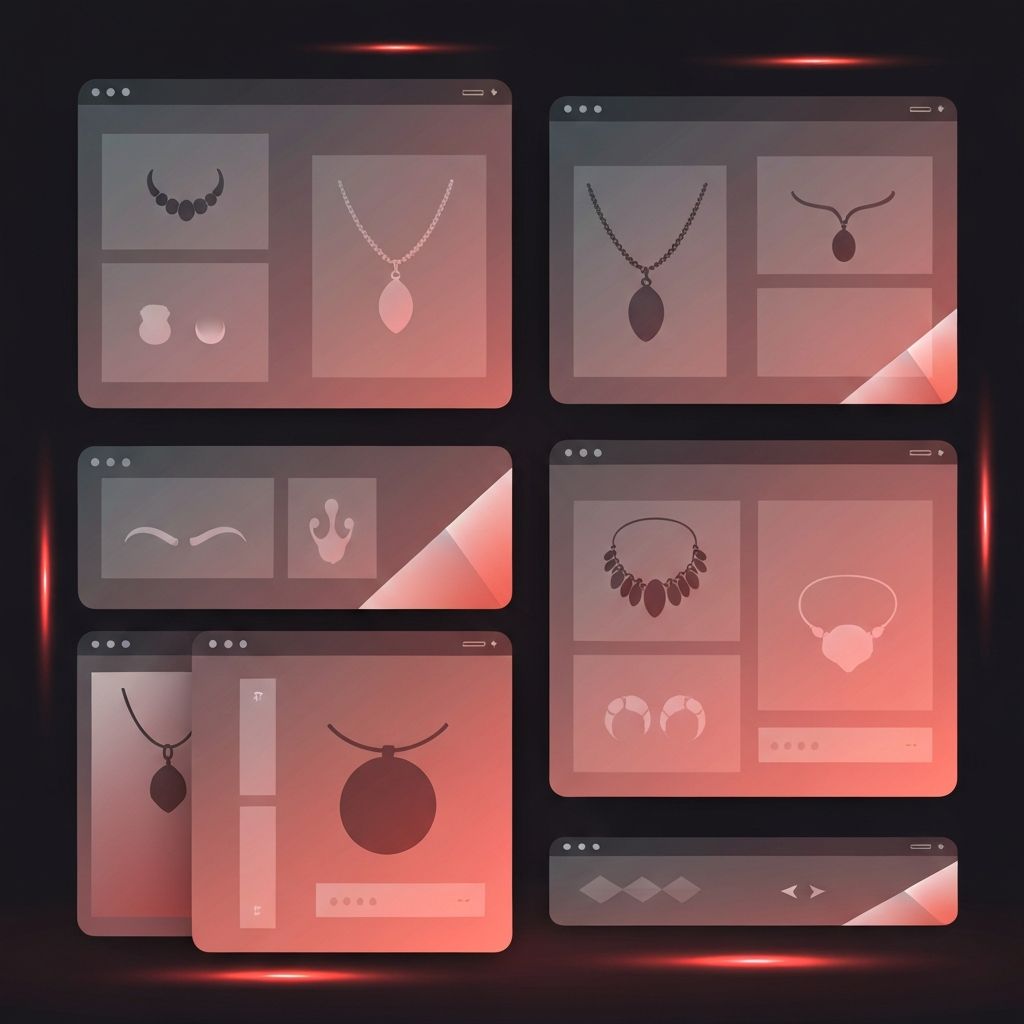
Understanding Jewelry Web Design Templates
Jewelry web design templates are pre-built website layouts crafted specifically for jewelry stores, designers, and boutiques. They typically include homepage banners, product galleries, collection pages, blog sections, and checkout flows tailored to the visual expectations of the jewelry industry. Templates can dramatically shorten launch times and reduce upfront costs, which makes them attractive to new brands, smaller boutiques, or businesses testing a new collection. However, they also come with trade-offs that every jewelry brand should understand before choosing this path.
Hire AAMAX.CO to Customize Templates or Build From Scratch
Whether a brand wants to start with a template or build something completely custom, AAMAX.CO can help. They are a full-service digital agency offering web development, digital marketing, and SEO services worldwide. Their team can carefully customize a strong template to feel uniquely on-brand, or design and engineer a fully bespoke platform when ambitions outgrow template limits. With their website design service, jewelers get expert guidance on which approach truly fits their goals.
The Advantages of Using Templates
Templates offer several practical benefits. They are faster to launch than custom builds, often allowing a basic store to go live within days or weeks instead of months. They tend to be more affordable upfront, which is helpful for brands with limited budgets. Many templates are built on popular e-commerce platforms, so they come with proven payment processing, inventory management, and security features. They also receive regular updates from their creators, which can simplify maintenance.
For brands that are still validating their concept or testing a niche collection, templates allow quick experimentation. Once a brand finds its footing, it can invest in deeper customization or a fully custom platform.
The Limitations to Watch For
Templates are not without drawbacks. Because they are designed for many businesses, they may lack the unique character that distinguishes a fine jewelry brand. Layouts that look beautiful in a demo can feel generic when filled with real products. Performance can also suffer if templates load too many features or third-party scripts by default. Customization, while possible, sometimes requires working around the template's structure, which can become more complex than building from scratch.
Brands selling high-value pieces or competing in saturated markets often find that templates limit their ability to stand out. In these cases, a tailored solution may produce better long-term results.
Choosing the Right Template
If a template is the right path, choosing carefully is essential. Look for layouts that prioritize generous white space, refined typography, and high-quality imagery. The product page structure should support multiple images, videos, detailed descriptions, and reviews. Mobile responsiveness should be flawless, and load times should be tested on real devices. Reviews from other jewelry brands using the template can reveal practical strengths and weaknesses that demos do not show.
Customization That Adds Real Value
Even the best template benefits from thoughtful customization. Replacing default photography with original images of the brand's actual collection is a critical first step. Refining typography, adjusting color palettes, and tightening spacing can elevate the entire experience. Custom homepage sections, brand storytelling pages, and tailored collection layouts make the site feel uniquely owned rather than borrowed.
Behind the scenes, performance optimizations such as image compression, code cleanup, and removing unused features can dramatically improve speed. These technical refinements often have a bigger impact on conversions than visual changes alone.
Integrations and Functional Extensions
Most templates can be extended with apps or plugins. Wishlists, ring sizers, virtual try-on tools, appointment booking, and live chat are common additions for jewelry brands. However, every extra script adds weight and potential complexity. A disciplined approach selects only the integrations that truly serve customers and removes the rest. For more advanced needs, a custom web application development service can build features that templates cannot reasonably support.
SEO Considerations With Templates
Templates often include basic SEO features, but these defaults rarely go far enough. Page titles, meta descriptions, structured data, and image alt text usually need careful customization. Internal linking should be planned intentionally rather than left to the template's default navigation. Original content, including educational articles and detailed product descriptions, helps differentiate a templated site from competitors using similar layouts.
When to Move Beyond a Template
As a jewelry brand grows, the limits of a template often become more visible. Performance bottlenecks, design constraints, and integration issues can hold back ambitious goals. At that stage, transitioning to a custom build allows the brand to take full control of its experience, performance, and competitive positioning. A skilled partner can plan this transition carefully, preserving SEO equity and ensuring a smooth migration for customers and search engines.
Final Thoughts
Jewelry web design templates can be a smart starting point for many brands, especially those launching quickly or testing new ideas. With careful selection, thoughtful customization, and disciplined performance optimization, a template-based site can look polished and convert well. As ambitions grow, partnering with an experienced agency to refine, extend, or eventually replace the template ensures that the brand's digital presence continues to evolve alongside its collection.
