
What Is PLA and Why Is It Popular?
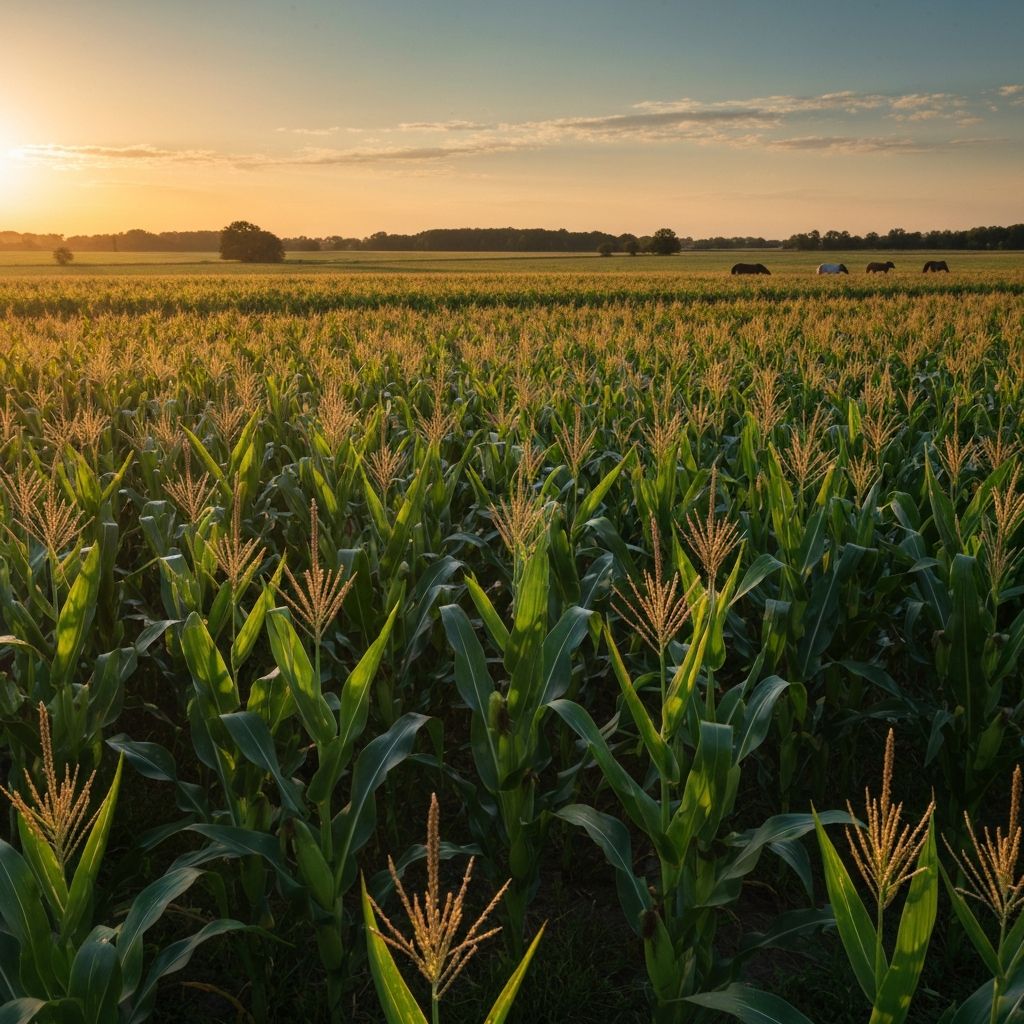
Polylactic acid, commonly known as PLA, has emerged as one of the most popular bioplastics in the world. Derived from renewable resources like corn starch, sugarcane, and tapioca roots, PLA has gained widespread attention as an eco-friendly alternative to traditional petroleum-based plastics. Its biodegradable nature and plant-based origins make it a favorite among environmentally conscious consumers and businesses alike.
PLA is used extensively in food packaging, disposable cutlery, cups, and even 3D printing. But with its growing presence in the food industry, a critical question arises: Is PLA actually safe for food contact? Understanding the safety profile of PLA requires examining its chemical composition, regulatory approvals, and practical limitations.
FDA Approval and Regulatory Status
The U.S. Food and Drug Administration (FDA) has classified PLA as Generally Recognized as Safe (GRAS) for food contact applications. This means that PLA has undergone sufficient scientific review to be deemed safe for use with food under intended conditions. The FDA's approval covers PLA used in food packaging, containers, and utensils that come into direct contact with food items.
In the European Union, PLA is also approved for food contact under Regulation (EU) No 10/2011, which governs plastic materials and articles intended to come into contact with food. These regulatory approvals provide a strong foundation of confidence in PLA's safety for everyday food use.
However, it is important to note that FDA approval comes with specific conditions. The approval applies to PLA that meets certain purity standards and is used within recommended temperature ranges. Not all PLA products on the market necessarily meet these standards, particularly those manufactured for non-food applications like 3D printing.
Chemical Composition and Safety Profile
PLA is a polyester made from lactic acid monomers. Lactic acid is a naturally occurring substance found in many foods, including yogurt, cheese, and fermented vegetables. The human body also produces lactic acid during exercise. This natural origin contributes to PLA's favorable safety profile.
Unlike many conventional plastics, PLA does not contain bisphenol A (BPA), phthalates, or other endocrine-disrupting chemicals that have raised health concerns. These harmful additives are commonly found in plastics like polycarbonate and PVC, making PLA a cleaner alternative from a chemical safety standpoint.
When PLA breaks down, it decomposes into lactic acid and water, both of which are harmless to the human body. This is in stark contrast to petroleum-based plastics, which can release toxic microplastics and chemical compounds as they degrade.
Temperature Limitations You Must Know
One of the most important safety considerations with PLA is its relatively low heat resistance. PLA has a glass transition temperature of approximately 60°C (140°F), which means it begins to soften and deform at temperatures that many other food-grade plastics can easily withstand.
This limitation has significant implications for food safety. When PLA is exposed to hot liquids or foods above its glass transition temperature, the material can warp, potentially releasing small amounts of lactic acid into the food. While lactic acid itself is not harmful, the structural integrity of the container is compromised, which could lead to spills or contamination from external sources.
For this reason, PLA containers and cups should not be used with hot beverages like coffee or tea, or for reheating food in a microwave. PLA is best suited for cold and room-temperature food applications, such as salad containers, cold drink cups, and fresh produce packaging.
PLA for 3D Printing vs. Food-Grade PLA
A common source of confusion is the distinction between PLA used in 3D printing and food-grade PLA. While both are technically the same base polymer, 3D printing PLA often contains additives, colorants, and other chemicals that are not approved for food contact. The extrusion process used in 3D printing can also introduce microscopic gaps and crevices in the printed object, which can harbor bacteria and make proper cleaning difficult.
If you are considering using 3D-printed PLA items for food contact, it is essential to use filament that is explicitly certified as food-safe by the manufacturer. Additionally, applying a food-safe coating or sealant to the finished product can help mitigate the risk of bacterial contamination in surface imperfections.
Many food-grade PLA products are manufactured using injection molding or thermoforming, which produce smoother, more uniform surfaces that are easier to clean and less likely to harbor contaminants.
Environmental Benefits and Biodegradability
Beyond its safety profile, PLA offers significant environmental advantages. As a bioplastic derived from renewable resources, PLA has a lower carbon footprint compared to petroleum-based plastics. The production of PLA generates approximately 68% fewer greenhouse gas emissions than conventional plastics.
PLA is also compostable under industrial composting conditions, where temperatures reach 58°C (136°F) or higher. Under these conditions, PLA can fully decompose within 45 to 90 days. However, it is important to note that PLA does not readily biodegrade in home composting systems or in landfill conditions, where temperatures are typically too low for effective decomposition.
This distinction is crucial for consumers who choose PLA for environmental reasons. Proper disposal in industrial composting facilities is necessary to realize PLA's environmental benefits.
Best Practices for Using PLA with Food
To ensure safe and effective use of PLA with food, follow these best practices. First, always verify that the PLA product is certified food-safe by the manufacturer. Look for FDA compliance markings or food-grade certifications on the packaging.
Second, avoid using PLA containers with hot foods or beverages. Stick to cold and room-temperature applications to maintain the structural integrity of the material and prevent any potential chemical migration.
Third, do not microwave PLA containers. The heat generated in a microwave will exceed PLA's glass transition temperature, causing the container to warp and potentially contaminate your food.
Fourth, use PLA products for single-use applications as intended. While PLA is durable enough for single use, repeated washing and reuse can degrade the material over time, potentially compromising its safety.
Conclusion: Is PLA Safe for Food?
In summary, PLA is generally safe for food contact when used within its intended parameters. Its FDA GRAS status, absence of harmful chemicals like BPA, and natural chemical composition make it a favorable choice for cold food packaging and disposable utensils. However, its low heat resistance means it should never be used with hot foods or in microwaves. By choosing certified food-grade PLA products and using them appropriately, consumers can enjoy the safety and environmental benefits that this innovative bioplastic offers.
