
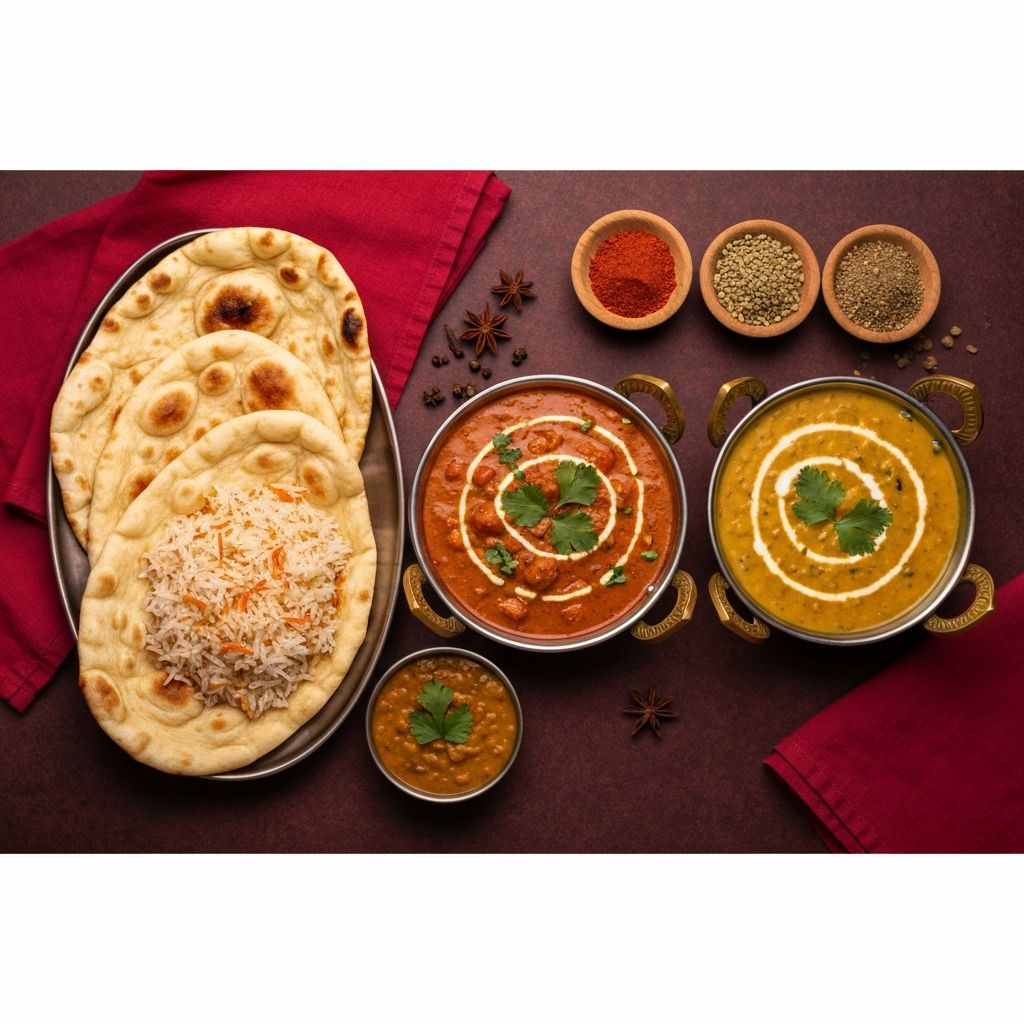
The Nutritional Foundation of Indian Cuisine
Indian food is one of the most diverse and flavorful cuisines in the world, drawing from thousands of years of culinary tradition across a vast subcontinent with dramatically different climates, cultures, and agricultural practices. At its core, traditional Indian cooking emphasizes whole grains, legumes, vegetables, and an extraordinary array of spices, many of which have well-documented health benefits. When prepared traditionally and consumed in appropriate portions, Indian food can be among the healthiest cuisines on the planet.
However, the healthiness of Indian food depends heavily on how it is prepared and what specific dishes you choose. Restaurant Indian food, particularly dishes found in many Western Indian restaurants, often bears little resemblance to the home-cooked meals that most Indians eat daily. Restaurant versions tend to be heavier on cream, butter, oil, and sugar, which can transform an inherently healthy cuisine into something far more calorie-dense and less nutritious. Understanding these distinctions is key to enjoying Indian food as part of a healthy diet.
Health Benefits of Indian Spices
One of the greatest nutritional advantages of Indian cuisine is its liberal use of spices, many of which have powerful anti-inflammatory, antioxidant, and therapeutic properties. Turmeric, perhaps the most studied Indian spice, contains curcumin, a compound with potent anti-inflammatory effects that may help reduce the risk of heart disease, cancer, and Alzheimer's disease. Indians consume an average of 2 to 4 grams of turmeric daily, which researchers believe may partly explain the lower rates of certain cancers and neurodegenerative diseases in India compared to Western countries.
Cumin, another staple of Indian cooking, is rich in iron and has been shown to aid digestion, improve blood sugar control, and reduce cholesterol levels. Coriander seeds and fresh cilantro provide antioxidants and may help lower blood sugar and blood pressure. Ginger, used extensively in Indian cooking and chai tea, is a powerful anti-nausea agent and has anti-inflammatory properties comparable to some over-the-counter medications.
Fenugreek, commonly used in South Indian cooking, has been shown to improve insulin sensitivity and lower blood sugar levels in people with type 2 diabetes. Cardamom may help lower blood pressure and has antibacterial properties. Black pepper, which is added to almost every Indian dish, contains piperine, which enhances the absorption of curcumin from turmeric by up to 2000 percent, making the combination of these two spices particularly beneficial.
Legumes and Plant-Based Protein
India has one of the largest vegetarian populations in the world, and Indian cuisine has developed remarkably sophisticated ways to create complete, satisfying meals without meat. Dal, or lentil soup, is a staple across the country and provides an excellent source of plant-based protein, fiber, iron, and B vitamins. A single cup of cooked lentils contains approximately 18 grams of protein and 15 grams of fiber, making it one of the most nutrient-dense foods available.
Chickpeas, kidney beans, black-eyed peas, and mung beans are other legumes frequently used in Indian cooking. These provide similar nutritional profiles to lentils and are used in dishes like chana masala, rajma, and sprout salads. The combination of legumes with rice or bread provides a complete amino acid profile, ensuring that vegetarian Indians get all the essential amino acids they need without consuming any animal products.
Potential Nutritional Concerns
Despite its many health benefits, Indian food does have some potential nutritional pitfalls that should be considered. Many popular dishes rely heavily on ghee, butter, cream, and coconut milk, which are high in saturated fat. Dishes like butter chicken, paneer makhani, and korma can contain 30 to 50 grams of fat per serving, with a significant portion coming from saturated sources.
Sodium content can also be a concern, particularly in restaurant preparations and pre-packaged spice mixes. Traditional Indian pickles and chutneys are often extremely high in salt, and many savory snacks like namkeen and papad are heavily salted. If you are watching your sodium intake, it is important to be mindful of these accompaniments and choose low-sodium versions when available.
Rice, particularly white rice, is a staple carbohydrate in many Indian meals and has a high glycemic index that can cause rapid spikes in blood sugar. For people with diabetes or insulin resistance, replacing white rice with brown rice, quinoa, or millet-based rotis can significantly improve the glycemic impact of an Indian meal. Many traditional Indian grains like jowar, bajra, and ragi are actually far more nutritious than white rice and are making a comeback in modern Indian cooking.
Making Healthier Indian Food Choices
To enjoy the health benefits of Indian cuisine while minimizing potential drawbacks, focus on dishes that emphasize vegetables, legumes, and lean proteins. Tandoori preparations, which use a clay oven and minimal oil, are generally healthier than dishes prepared with heavy sauces. Choose dal-based dishes over cream-based curries, opt for whole wheat roti over naan, and ask for sauces on the side when dining out. At home, use moderate amounts of oil and ghee, increase the proportion of vegetables in your dishes, and experiment with traditional grains beyond white rice. By making these simple adjustments, Indian food can be one of the most nutritious and satisfying cuisines you can enjoy regularly.
