
The Difference Between Authentic and Americanized Chinese Food
When people ask whether Chinese food is healthy, the answer depends entirely on what type of Chinese food they are referring to. Traditional Chinese cuisine, as eaten daily by over a billion people in China, is fundamentally different from the Americanized Chinese food served in most takeout restaurants in the United States. Understanding this distinction is essential for evaluating the nutritional value of Chinese food.
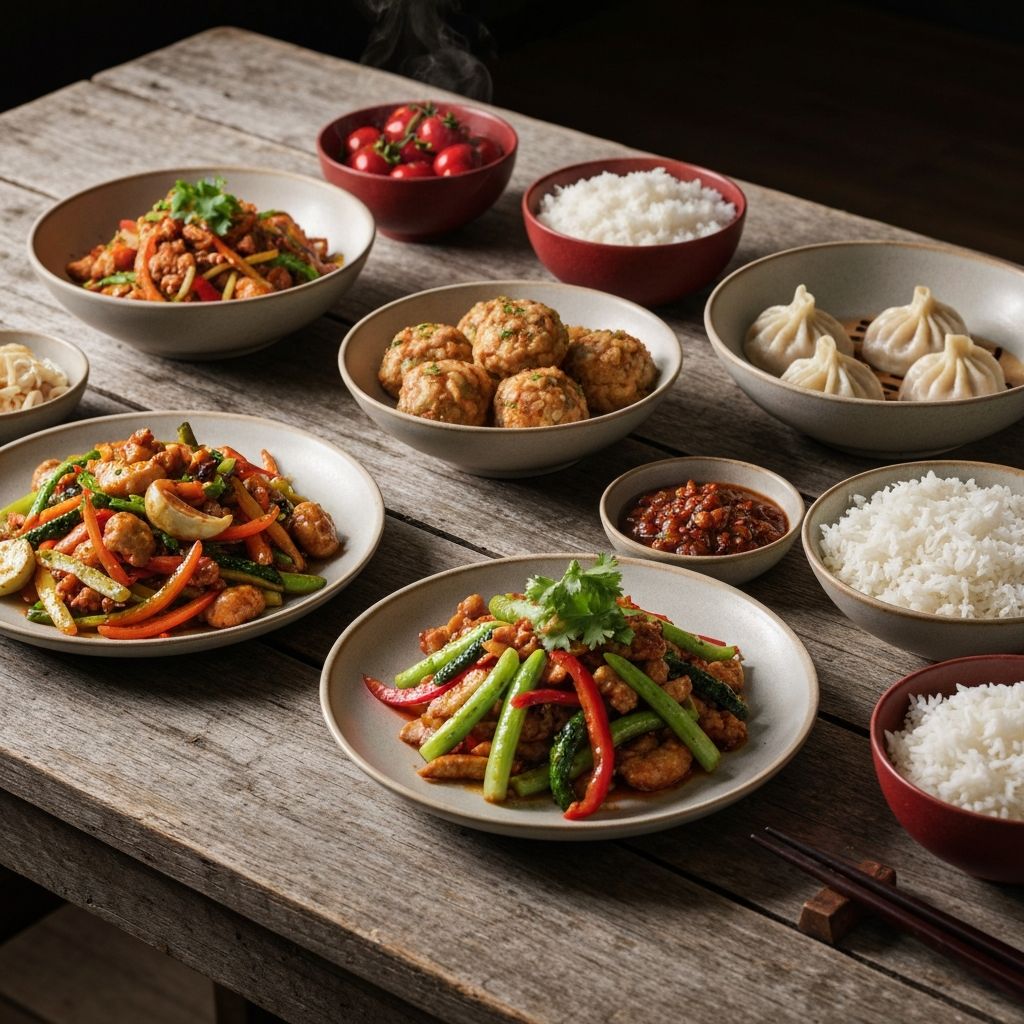
Authentic Chinese home cooking emphasizes steamed vegetables, rice, lean proteins, soups, and stir-fries prepared with minimal oil. Meals are typically composed of multiple small dishes shared family-style, which naturally promotes portion control and dietary variety. Vegetables make up a much larger proportion of the meal than meat, and cooking techniques like steaming, boiling, and quick stir-frying preserve nutrients while minimizing added fats.
Americanized Chinese food, on the other hand, has been adapted to suit Western palates and often bears little resemblance to what people actually eat in China. Dishes like General Tso's chicken, orange chicken, and sweet and sour pork are American inventions that involve deep-frying protein and coating it in heavy, sugary sauces. These dishes are significantly higher in calories, fat, sodium, and sugar than their traditional Chinese counterparts and should not be used as a benchmark for evaluating the healthiness of Chinese cuisine as a whole.
Nutritional Strengths of Chinese Cooking
Traditional Chinese cooking has several nutritional advantages that make it inherently healthy. The emphasis on vegetables is perhaps the greatest strength. Chinese cuisine utilizes an extraordinary variety of vegetables, including bok choy, Chinese broccoli, snow peas, water chestnuts, bamboo shoots, mushrooms, lotus root, bitter melon, and dozens of leafy greens that are rich in vitamins, minerals, and antioxidants.
The cooking technique of stir-frying is particularly beneficial from a nutritional standpoint. Because stir-frying uses high heat and short cooking times, vegetables retain more of their vitamins and minerals compared to methods like boiling, which can leach nutrients into the water. A small amount of oil is used, which also aids in the absorption of fat-soluble vitamins like vitamins A, D, E, and K from the vegetables.
Tea consumption, which is an integral part of Chinese food culture, provides additional health benefits. Green tea, oolong tea, and pu-erh tea are rich in polyphenols and catechins, antioxidants that have been linked to reduced risks of heart disease, certain cancers, and type 2 diabetes. The Chinese practice of drinking tea with meals may also aid digestion and reduce the glycemic impact of carbohydrate-rich foods.
Healthy Chinese Dishes to Choose
When ordering Chinese food or cooking at home, several categories of dishes stand out as particularly healthy options. Steamed fish, a staple of Cantonese cuisine, is an excellent source of lean protein and omega-3 fatty acids. The fish is typically steamed with ginger, scallions, and a light soy sauce, resulting in a flavorful dish that is low in calories and high in nutrients.
Hot and sour soup is another relatively healthy option, containing mushrooms, tofu, bamboo shoots, and eggs in a broth seasoned with vinegar and white pepper. A typical bowl contains around 100 to 150 calories and provides protein and vegetables. Moo goo gai pan, a Cantonese dish of chicken and mushrooms in a light sauce, is low in calories and rich in protein. Buddha's delight, a mixed vegetable stir-fry with tofu, is an excellent vegetarian option packed with nutrients.
Chinese Dishes to Enjoy in Moderation
Several popular Chinese dishes are best enjoyed as occasional treats rather than dietary staples due to their high calorie, fat, or sodium content. Lo mein, while delicious, is typically made with oily noodles and can contain 800 to 1100 calories per serving. Fried rice adds 300 to 500 calories compared to steamed rice due to the added oil and eggs. Sweet and sour dishes involve deep-frying and heavy sugary sauces that can push a single serving over 1000 calories.
Sodium is perhaps the biggest health concern with Chinese food, both authentic and Americanized. Soy sauce, oyster sauce, hoisin sauce, and MSG all contribute significant amounts of sodium. A typical Chinese takeout meal can easily contain 2000 to 3000 milligrams of sodium, which is the entire recommended daily limit. To reduce sodium intake, ask for sauces on the side, request less salt in your food, choose steamed dishes over sauced ones, and use low-sodium soy sauce when cooking at home.
Making Healthier Chinese Food Choices
Whether dining out or cooking at home, you can enjoy Chinese food as part of a healthy diet by making smart choices. Choose steamed, stir-fried, or braised dishes over deep-fried options. Opt for brown rice or steamed white rice instead of fried rice. Ask for vegetables to be the star of the dish rather than a garnish. Request sauces on the side so you can control the amount used. When cooking at home, use less oil in stir-fries, increase the vegetable-to-meat ratio, and experiment with traditional Chinese cooking techniques like steaming and red braising that naturally produce healthier dishes. By focusing on the principles of traditional Chinese cooking rather than Americanized adaptations, you can enjoy a cuisine that is both delicious and genuinely nutritious.
