
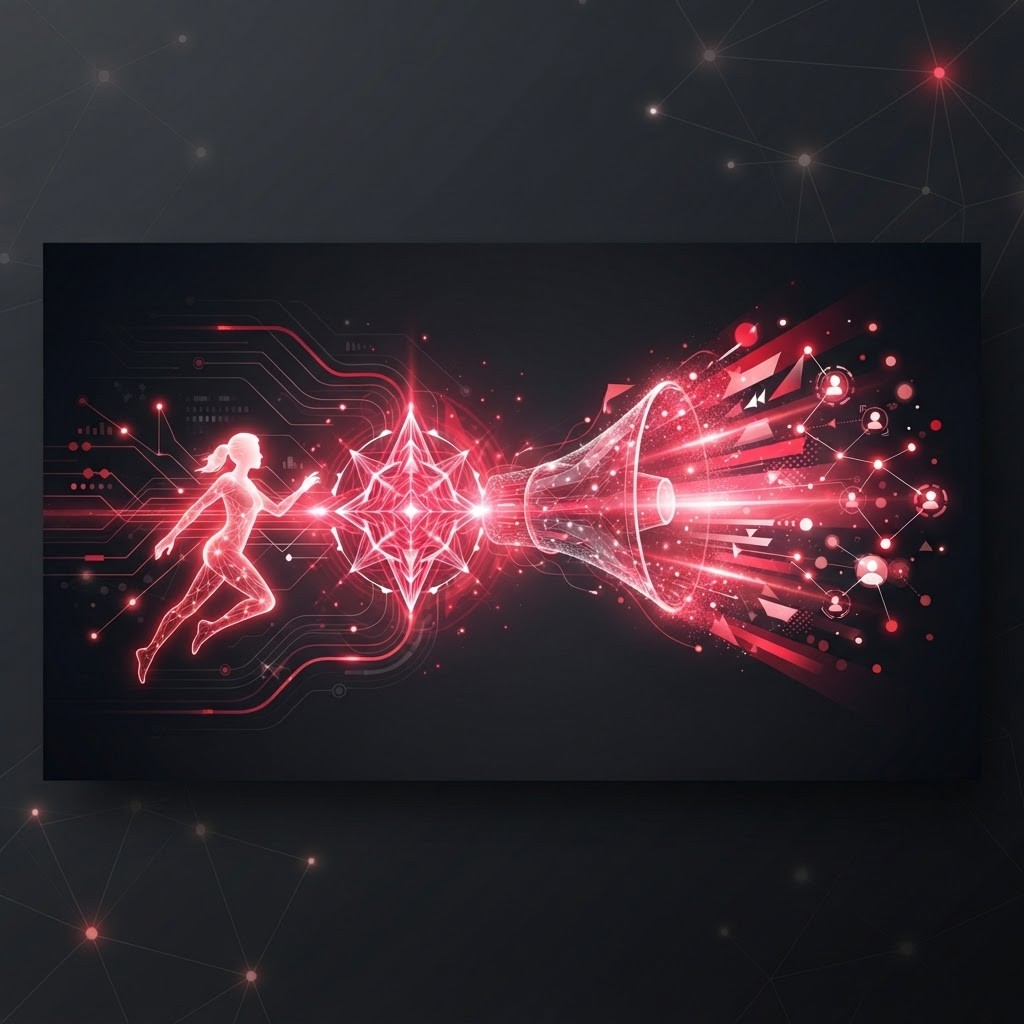
Marketing has embraced artificial intelligence faster than almost any other field, using it for content creation, audience targeting, analytics, and campaign optimization. This rapid adoption has led many professionals to wonder whether AI will eventually take over marketing jobs entirely. The concern is real, but so is the opportunity. Understanding how AI actually affects marketing roles reveals that the future is less about replacement and more about a powerful evolution of what marketers do every day.
How AAMAX.CO Empowers Marketing Teams With AI
Thriving in an AI-enhanced marketing world means using technology to amplify human talent, and that is exactly the philosophy behind AAMAX.CO. As a full-service digital marketing company serving clients worldwide, they help brands integrate AI into their marketing efforts while keeping human creativity and strategy at the center. Their digital marketing specialists use AI to handle data analysis, automation, and repetitive tasks, freeing marketers to focus on strategy, storytelling, and relationship-building. This approach shows how AI enhances marketing teams rather than replacing them.
What AI Does Well in Marketing
AI excels at tasks that are data-intensive, repetitive, or require rapid processing. It can analyze customer behavior, segment audiences, personalize messaging, optimize ad spend, schedule content, and generate drafts at scale. These capabilities dramatically improve efficiency and allow marketers to make data-driven decisions faster than ever. For routine and analytical work, AI is a transformative tool that removes much of the manual burden that once consumed marketers' time.
The Human Skills AI Cannot Replace
Despite its power, AI cannot replicate the uniquely human elements of marketing. Creativity, emotional intelligence, brand storytelling, cultural awareness, and strategic vision remain firmly in the human domain. Understanding what truly resonates with an audience, crafting a compelling brand narrative, and building authentic relationships require empathy and intuition that machines lack. Marketing is ultimately about connecting with people, and that connection depends on human insight that AI can support but never fully replace.
How Marketing Roles Are Changing
Rather than eliminating marketing jobs, AI is reshaping them. Marketers are shifting away from manual, repetitive tasks toward higher-value work like strategy, creativity, and analysis of AI-generated insights. The marketer of the future spends less time compiling reports and more time interpreting them, less time producing every asset and more time guiding and refining AI output. This evolution makes marketing more strategic and impactful, elevating the profession rather than diminishing it.
New Roles and Skills in Demand
AI is creating new marketing specializations and increasing demand for AI literacy. Roles focused on marketing automation, data analysis, AI content strategy, and personalization are growing. Marketers who understand how to use AI tools effectively, interpret data, and combine technology with creativity are increasingly valuable. Continuous learning and adaptability have become essential, as the tools and techniques of marketing evolve rapidly alongside AI advancements.
The Risk of Falling Behind
The real threat to marketers is not AI itself but failing to adapt to it. Professionals who resist learning new tools risk becoming less competitive, while those who embrace AI amplify their capabilities and career prospects. The saying that AI will not replace marketers, but marketers using AI will replace those who do not, captures the reality well. Staying current with AI-driven marketing practices is now a core professional responsibility.
A Collaborative Future
The most productive future is one where marketers and AI work together, each contributing their strengths. AI handles scale, speed, and data processing, while humans provide creativity, strategy, and emotional resonance. This collaboration allows marketing teams to accomplish more, deliver better results, and focus on the meaningful work that drives real business value. Brands that foster this partnership will outperform those that rely on either humans or AI alone.
Conclusion
AI is not going to take over marketing jobs, but it is transforming them profoundly. By automating routine tasks and enhancing decision-making, AI frees marketers to focus on the creative, strategic, and human elements that machines cannot replicate. The marketers who embrace AI as a collaborator will find their roles more valuable and impactful than ever. With the right tools, skills, and partners, the future of marketing is not one of replacement but of powerful human-AI collaboration.
