
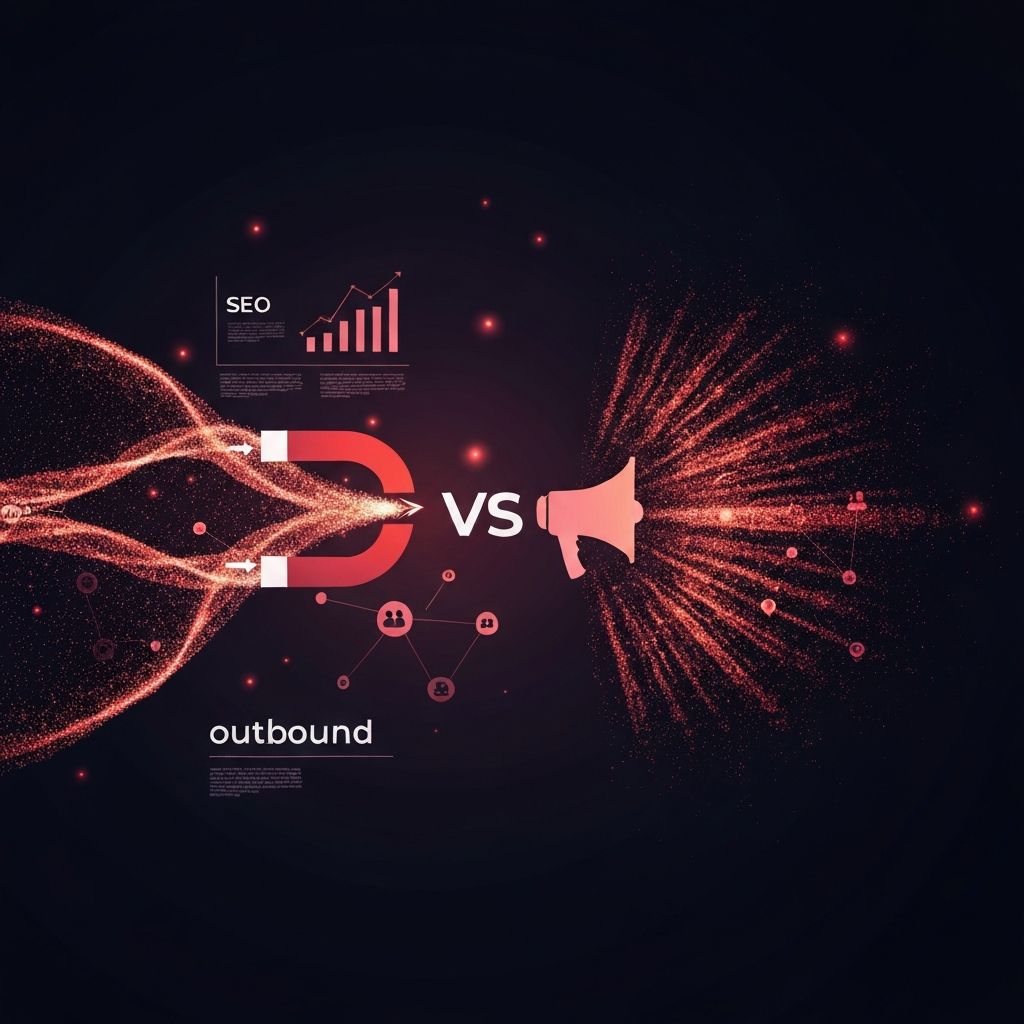
Defining Inbound and Outbound Digital Marketing
Modern marketing is often divided into two broad approaches: inbound and outbound. Inbound digital marketing attracts prospects who are already searching for solutions by offering valuable content, optimized search visibility, and helpful resources that pull them toward the brand. Outbound digital marketing reaches out proactively through ads, email outreach, and direct campaigns to put the brand in front of people who may not yet know they need it.
Both approaches have evolved dramatically in the digital era. Inbound has matured into a sophisticated content, SEO, and conversion ecosystem, while outbound has moved beyond cold calls into highly targeted ads, programmatic display, LinkedIn outreach, and personalized email sequences. The smartest brands use both, blending the patience of inbound with the speed of outbound to build a predictable growth engine.
How AAMAX.CO Helps Brands Master Both Approaches
Businesses that want a partner skilled in both attraction and outreach can hire AAMAX.CO to architect their full-funnel strategy. They are a full-service digital marketing company offering web development, SEO, and digital marketing services worldwide. Their team designs inbound systems that attract qualified visitors organically while running outbound campaigns that accelerate pipeline growth. By combining both into one coordinated plan, they deliver digital marketing programs that balance long-term brand building with immediate revenue impact.
Core Principles of Inbound Digital Marketing
Inbound marketing is built on the idea that buyers are in control. They research extensively before contacting a vendor, and they reward brands that help them learn, decide, and feel confident. Strong inbound strategies invest in blog content, video, podcasts, guides, and tools that answer the questions buyers are actually asking. Each piece earns trust and gradually moves prospects closer to a purchase.
Search engine optimization is the backbone of inbound. Without organic visibility, even the best content stays hidden. Technical SEO, keyword research, on-page optimization, and authority-building backlinks combine to ensure the brand shows up at the exact moment a prospect searches for help. Over time, this organic presence becomes a powerful, low-cost engine of qualified traffic.
Core Principles of Outbound Digital Marketing
Outbound marketing assumes that great offers deserve to be promoted, not hidden. Even buyers who are not actively searching may be ready to act once they discover a relevant solution. Modern outbound is far more precise than its old reputation suggests. Targeting tools allow marketers to reach specific industries, job titles, geographies, and behaviors with messaging tailored to each segment.
Paid search and social ads sit at the heart of outbound. Well-managed Google ads campaigns capture both intent-based and demand-generation traffic, while paid social platforms allow brands to introduce themselves to audiences that perfectly match their ideal customer profile. Combined with email outreach and retargeting, outbound creates fast pipeline momentum that inbound alone cannot match.
Inbound vs Outbound: The Trade-Offs
Inbound is patient. It builds slowly, compounds over time, and produces high-quality leads at low marginal cost once established. However, it requires sustained content investment, technical SEO discipline, and patience for results that may take months to materialize. Outbound is fast. It can generate leads within days but requires ongoing budget; the moment spending stops, results stop.
Inbound builds long-term equity in the form of organic rankings, content libraries, and brand authority. Outbound provides predictable, controllable volume but offers little equity once campaigns end. The combination of both creates resilience: short-term pipeline from outbound while inbound builds a lasting foundation that reduces dependence on paid channels over time.
The Role of Social Media in Both Approaches
Social media blurs the line between inbound and outbound. Organic posts, community engagement, and helpful content fall into the inbound category, attracting followers who eventually become customers. Paid promotion, influencer partnerships, and targeted campaigns fall into outbound, pushing the brand in front of new audiences. Effective social media marketing uses both, ensuring the brand attracts organic attention while also reaching new audiences through paid amplification.
Aligning Sales and Marketing Across Both Channels
One of the biggest mistakes brands make is treating inbound and outbound as separate worlds run by separate teams. In reality, they should share data, messaging, and goals. Inbound content can fuel outbound email sequences. Outbound campaigns can drive traffic to inbound landing pages. Sales feedback should inform both content topics and ad messaging. When both teams operate from the same playbook, conversion rates and customer experience improve dramatically.
Many organizations benefit from digital marketing consultancy support to align inbound and outbound strategy, create shared KPIs, and design unified reporting dashboards. An outside perspective often uncovers integration opportunities that internal silos cannot see.
Measuring Success Across Both Approaches
Inbound metrics tend to focus on long-term indicators: organic traffic growth, keyword rankings, content engagement, and assisted conversions. Outbound metrics focus on short-term efficiency: cost per lead, click-through rates, conversion rates, and pipeline velocity. Mature programs measure both, then combine them into a unified view of customer acquisition cost and lifetime value.
The most important measurement question is not "which approach is better" but "how do they work together to grow the business." Brands that answer this question well tend to outperform those that pick one side and ignore the other.
Future-Proofing With AI and New Discovery Channels
As AI assistants and answer engines reshape how buyers find information, both inbound and outbound must evolve. Inbound expands to include generative engine optimization, ensuring the brand is referenced inside AI-generated responses. Outbound expands to include AI-personalized ads, dynamic creative, and conversational outreach. The fundamentals remain the same—attract or reach the right audience with the right message—but the channels and tools continue to shift.
Final Thoughts
Inbound and outbound are not opposites; they are complementary forces. Inbound creates compounding equity, outbound creates immediate momentum, and the right blend depends on the brand's stage, goals, and resources. Companies that invest in both, align them tightly, and continuously refine their approach build marketing engines that scale predictably and adapt quickly to whatever comes next.
