
The Opportunity for Drone Photography in Texas Tourism
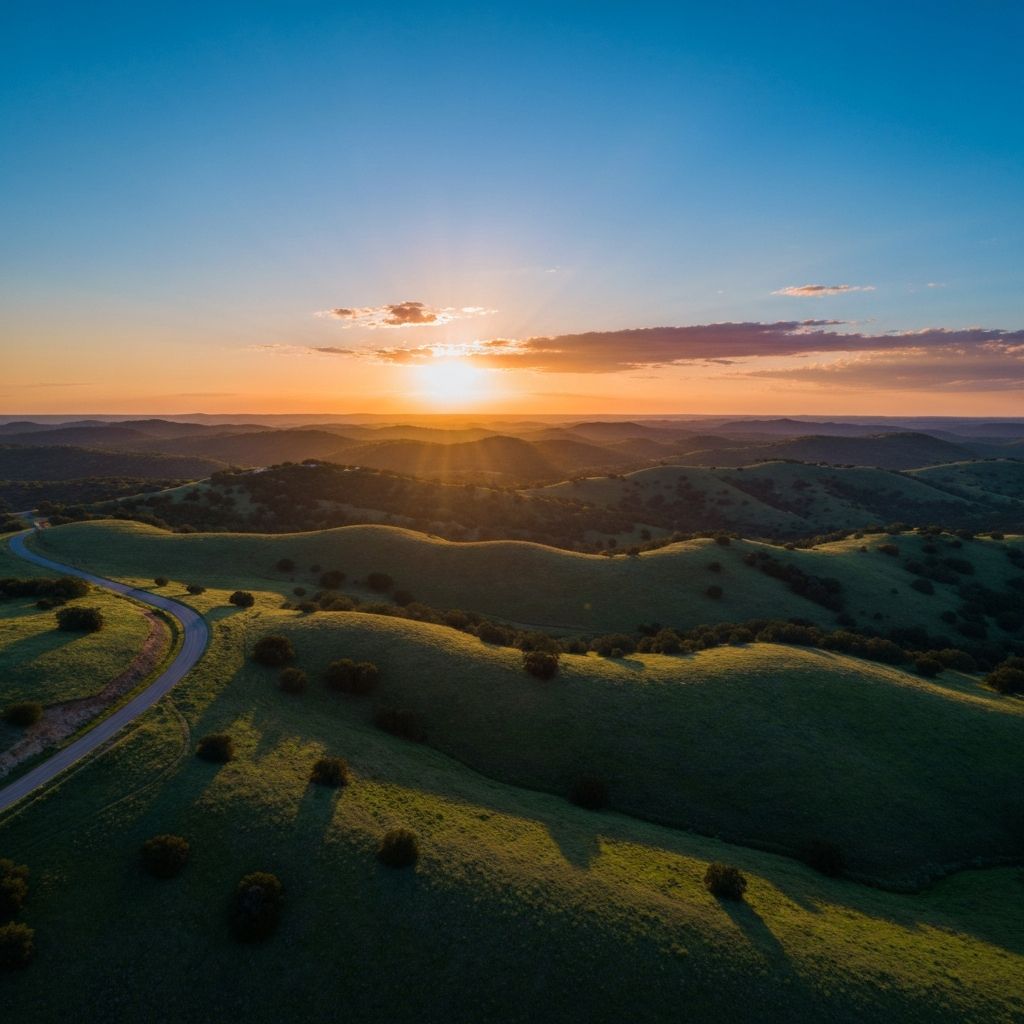
Texas is one of the most diverse and visually stunning states in the United States, offering everything from dramatic desert landscapes in Big Bend to the vibrant cityscapes of Houston, Dallas, and Austin, lush Hill Country vistas, Gulf Coast beaches, and vast ranch lands stretching to the horizon. This incredible variety of scenery, combined with a thriving tourism industry that welcomes millions of visitors annually, creates an exceptional opportunity for entrepreneurs who want to combine their passion for drone technology with a profitable business in the tourism sector.
Tourist drone photography involves capturing aerial images and videos of popular tourist destinations, landmarks, events, and scenic locations, and selling those images to tourists, tourism boards, real estate companies, event organizers, and other clients who value stunning aerial perspectives. The demand for high-quality aerial photography has skyrocketed in recent years as drone technology has become more accessible and the appetite for unique visual content continues to grow across social media, marketing, and advertising channels.
Understanding FAA Regulations for Commercial Drone Operations
Before you can legally operate a drone photography business in Texas or any other state, you must comply with the Federal Aviation Administration's regulations for commercial drone operations. The primary regulatory framework for commercial drone use is 14 CFR Part 107, commonly known as the Part 107 rules, which establish the requirements for operating small unmanned aircraft systems weighing less than 55 pounds for commercial purposes.
To fly a drone commercially under Part 107, you must obtain a Remote Pilot Certificate by passing the FAA's Aeronautical Knowledge Test. This exam covers topics including airspace classifications, weather and atmospheric conditions, drone performance and limitations, emergency procedures, regulations, and crew resource management. The test consists of 60 multiple-choice questions, and you need a score of 70 percent or higher to pass. You can schedule the exam at an FAA-approved testing center, and it typically costs around $175.
Key Part 107 rules that affect your drone photography business include flying only during daylight hours or civil twilight with appropriate anti-collision lighting, maintaining visual line of sight with the drone at all times, flying at or below 400 feet above ground level, not flying over people who are not directly participating in the operation, not flying from a moving vehicle unless in a sparsely populated area, and yielding the right of way to manned aircraft at all times. Waivers for certain restrictions, such as night operations or flights over people, can be obtained through the FAA's waiver process.
Texas-Specific Regulations and Considerations
In addition to federal FAA regulations, Texas has its own laws that affect drone operations. Texas Government Code Chapter 423 restricts the use of drones for surveillance and photography in certain contexts, particularly involving private property. Under Texas law, it is generally illegal to use a drone to capture images of an individual or privately owned real property without consent for the purpose of conducting surveillance. However, there are numerous exceptions for commercial photography, real estate, and other legitimate business purposes.
It is crucial to understand these state-level regulations and ensure your business operations comply with both federal and state law. Consider consulting with a Texas aviation attorney or a drone law specialist to review your specific business model and ensure full legal compliance. Additionally, some Texas cities and counties may have local ordinances that restrict drone operations in certain areas, so research the specific regulations in the areas where you plan to operate.
Choosing the Right Drone Equipment
Selecting the right drone equipment is critical for producing high-quality images and videos that meet professional standards. For a tourist drone photography business, you need a drone that offers excellent camera quality, stable flight performance, and reliability. The DJI Mavic 3 series, DJI Air 3, and DJI Mini 4 Pro are popular choices for professional photographers due to their outstanding image quality, portability, and ease of use. For higher-end work, the DJI Inspire 3 offers interchangeable camera systems and superior flight performance.
Key features to look for in a professional drone include a camera with at least a 1-inch sensor for high-resolution images, 4K video recording capability at 60 frames per second or higher, a 3-axis mechanical gimbal for smooth stable footage, intelligent flight modes such as waypoints, orbit, and follow-me, a minimum flight time of 25 minutes per battery, and obstacle avoidance sensors. Plan to invest in multiple batteries, a quality carrying case, ND filters for aerial cinematography, and a reliable tablet or monitor for your remote controller.
Budget between $2,000 and $10,000 for your initial drone equipment, depending on the quality level you want to achieve. Also invest in backup equipment, as mechanical failures can happen at any time, and losing a drone during a client shoot can be both financially and reputationally damaging.
Registering Your Business in Texas
To operate a drone photography business legally in Texas, you need to register your business with the appropriate state and local agencies. Choose a business structure such as a sole proprietorship, LLC, or corporation. An LLC is typically recommended for drone photography businesses because it provides personal liability protection and offers flexibility in tax treatment. File your LLC formation documents with the Texas Secretary of State, which costs $300 as of 2026.
Obtain a federal Employer Identification Number from the IRS, which is free and can be done online. Register for a Texas sales tax permit through the Texas Comptroller of Public Accounts, as certain photography services may be subject to state sales tax. Open a business bank account to keep your personal and business finances separate, and consider obtaining a business credit card for equipment purchases and operating expenses.
Insurance Requirements
Drone insurance is essential for protecting your business from liability in case of accidents, property damage, or injuries. There are two main types of drone insurance: hull insurance, which covers damage to or loss of your drone equipment, and liability insurance, which covers damage to third-party property or injuries to third parties caused by your drone operations. Most commercial drone operators carry at least $1 million in liability coverage, and some clients and venues may require higher coverage limits.
Several insurance companies specialize in drone insurance, including Verifly, SkyWatch, and State Farm. Premiums vary based on your coverage limits, deductible, flight hours, and claims history, but expect to pay between $500 and $2,000 per year for a comprehensive commercial drone insurance policy. Some providers offer on-demand or hourly policies that can be more cost-effective for operators who fly infrequently.
Pricing Your Services
Pricing your drone photography services appropriately is crucial for profitability and competitiveness. Research the local market to understand what other drone photographers in Texas are charging and position your pricing accordingly. Common pricing models include hourly rates, per-project rates, and packages.
For tourist photography, you might offer packages such as a basic aerial photo package with 10 to 15 edited photos for $200 to $400, a premium package with 25 to 30 edited photos plus a short video for $500 to $800, or a full cinematic package with a professionally edited 2 to 3 minute video plus 30 or more photos for $1,000 to $2,500. You can also sell prints, digital downloads, and licensing rights for commercial use of your images. Consider creating a library of stock aerial images of popular Texas tourist destinations that can be licensed repeatedly for passive income.
Marketing and Building Your Client Base
Building a successful client base for your drone photography business requires a multi-channel marketing approach. Create a professional website and portfolio showcasing your best aerial photography and videography work. Optimize your website for local search terms such as "drone photography Texas," "aerial photography Austin," and "tourist drone photographer San Antonio."
Leverage social media platforms, particularly Instagram, YouTube, and TikTok, to share stunning aerial content that demonstrates your skills and attracts potential clients. Partner with local tourism boards, hotels, resorts, wedding venues, and event planners who can refer clients to your services. Attend tourism industry events and networking functions to build relationships with potential clients and partners. Offer introductory discounts or free sample shoots to build your portfolio and generate word-of-mouth referrals.
Conclusion
Starting a tourist drone photography business in Texas offers an exciting opportunity to combine cutting-edge technology with creative artistry in one of the most visually diverse states in the country. By obtaining the necessary certifications, complying with federal and state regulations, investing in quality equipment, and building a strong marketing presence, you can create a thriving business that captures the beauty of Texas from above. The key to success is a commitment to safety, quality, and customer service that sets you apart from the competition and builds a loyal client base over time.
