
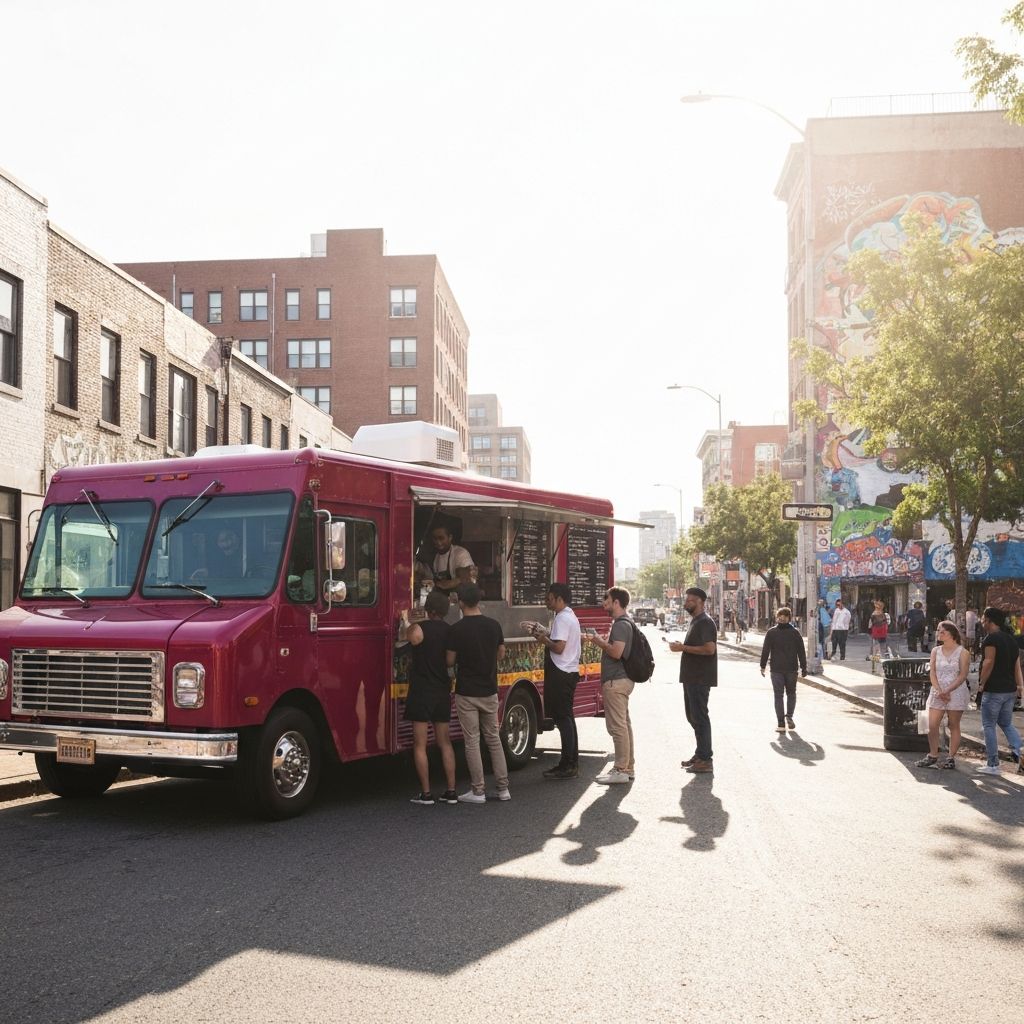
The Food Truck Industry: An Overview
The food truck industry has experienced explosive growth over the past decade, evolving from a collection of simple taco trucks and hot dog carts into a diverse culinary landscape that includes gourmet cuisine, fusion flavors, and innovative dining concepts. The industry generates billions of dollars in annual revenue in the United States alone, and it continues to attract aspiring entrepreneurs who are drawn to the lower startup costs, creative freedom, and direct customer interaction that food trucks offer compared to traditional brick-and-mortar restaurants.
Starting a food truck requires a unique combination of culinary skill, business savvy, and entrepreneurial grit. While the barrier to entry is lower than opening a restaurant, running a successful food truck is far from easy. It demands long hours, adaptability, strong organizational skills, and a willingness to navigate complex regulatory requirements. This guide will walk you through every major step of starting a food truck, from initial concept development to your first day of service.
Developing Your Concept and Business Plan
Every successful food truck starts with a compelling concept. Your concept should be unique enough to stand out in a crowded market, broadly appealing enough to attract a steady customer base, and practical enough to execute efficiently from a mobile kitchen. Consider what type of cuisine you are passionate about and skilled at preparing, what food concepts are underserved in your target market, how your menu can be optimized for quick preparation and easy eating on the go, and what your brand story and identity will be.
Once you have defined your concept, create a detailed business plan. This document serves multiple purposes: it forces you to think through every aspect of your business, it serves as a roadmap for your first year of operations, and it is essential if you plan to seek financing from banks or investors. Your business plan should include an executive summary, market analysis and competitive landscape, menu development and pricing strategy, marketing and sales plan, organizational structure, financial projections including startup costs and monthly operating expenses, and a break-even analysis.
Understanding Legal Requirements and Permits
The regulatory landscape for food trucks varies significantly by city, county, and state, making it essential to research the specific requirements in your area. Common permits and licenses you may need include a business license, food service establishment permit from the health department, mobile food vendor permit, food handler's certifications for you and your employees, a commercial driver's license if your truck exceeds a certain weight, fire department permit, vehicle registration and commercial vehicle insurance, and commissary kitchen agreement.
Many cities require food trucks to operate from a licensed commissary kitchen, which is a commercial kitchen facility where food trucks prepare food, store ingredients, dispose of waste water, and clean their trucks. Some commissary kitchens are shared spaces that rent by the hour or month, while others are dedicated facilities. Research commissary options in your area and factor this cost into your business plan. Additionally, many jurisdictions have specific regulations about where food trucks can park and operate, including distance requirements from brick-and-mortar restaurants, time limits on parking, and designated food truck zones or pods.
Choosing and Equipping Your Truck
The truck itself is your most significant capital investment, and the choices you make here will impact your business for years to come. You have three main options: buying a new, custom-built food truck, which offers the most customization but at the highest cost (typically $75,000 to $200,000 or more); buying a used food truck, which is more affordable ($40,000 to $100,000) but may require modifications and repairs; or converting a used vehicle such as a step van or trailer into a food truck ($20,000 to $50,000 for the vehicle plus build-out costs).
Regardless of which option you choose, your truck's kitchen must be equipped with all the necessary cooking and food preparation equipment for your menu. Common equipment includes cooking stations such as grills, fryers, ovens, or stovetops, a refrigeration system including reach-in refrigerators and freezers, a food preparation area with stainless steel work surfaces, a three-compartment sink for washing, rinsing, and sanitizing, a separate handwashing sink, adequate ventilation and fire suppression systems, food storage areas, a generator or other power source, a water system including fresh water tank and waste water tank, and a point-of-sale system for accepting payments.
Financing Your Food Truck
Starting a food truck requires significant capital, with total startup costs typically ranging from $50,000 to $200,000 depending on your truck, equipment, and market. Common financing options include personal savings, which avoid interest costs and debt but may limit your startup budget; small business loans from banks or credit unions, which typically require a solid business plan, good credit, and sometimes collateral; SBA microloans, which are government-backed loans specifically designed for small businesses with borrowing needs of $50,000 or less; equipment financing, where the equipment itself serves as collateral; crowdfunding platforms where community supporters can contribute to your startup in exchange for perks; and investors or partners who provide capital in exchange for equity or a share of profits.
Menu Development and Pricing
Your menu is the heart of your food truck business, and it needs to be carefully designed for both culinary appeal and operational efficiency. Keep your menu focused and manageable, ideally with five to eight main items. A concise menu reduces food waste, simplifies inventory management, speeds up service, and allows you to execute each item at a high quality level. Every item on your menu should be something you can prepare quickly, serve easily for eating on the go, and produce consistently day after day.
Pricing your menu items requires balancing profitability with customer expectations. A common approach is to target a food cost percentage of 28 to 35 percent, meaning the raw ingredient cost for each item should be 28 to 35 percent of the selling price. Factor in all costs including ingredients, packaging, labor, fuel, permits, commissary fees, insurance, and truck maintenance when determining your pricing structure. Research what competing food trucks and quick-service restaurants in your area charge for similar items to ensure your prices are competitive.
Marketing and Building Your Brand
In the food truck business, marketing is not just about attracting customers; it is about telling people where to find you. Unlike a brick-and-mortar restaurant with a fixed address, your location changes regularly, making real-time communication with your customer base essential. Social media platforms, particularly Instagram, Twitter, and Facebook, are the most important marketing tools for food trucks. Post your daily location, hours, and menu specials, and share mouth-watering photos of your food to build excitement and attract followers.
Build a professional website with your menu, schedule, catering information, and contact details. Register on food truck finder apps and websites that help customers locate nearby food trucks. Consider catering services as an additional revenue stream, as private events, corporate lunches, and weddings can provide more predictable income than daily street service. Partner with local businesses, breweries, and event organizers to secure regular spots and exposure to new customers. Word of mouth remains the most powerful marketing tool in the food business, so focus relentlessly on delivering exceptional food and friendly service to turn first-time customers into loyal regulars who spread the word about your truck.
Operations and Day-to-Day Management
Running a food truck involves much more than just cooking and serving food. A typical day might start at 6 AM at your commissary kitchen, where you prep ingredients, load supplies, and ensure your truck is clean and fully stocked. You then drive to your designated location, set up, and begin service. After the lunch or dinner rush, you break down your setup, drive back to the commissary, clean and sanitize the truck, dispose of waste, inventory remaining supplies, and plan for the next day. This daily routine demands physical stamina, organizational discipline, and time management skills. As your business grows, consider hiring employees to share the workload and eventually to operate the truck when you need time off for rest, business management, and strategic planning.
