
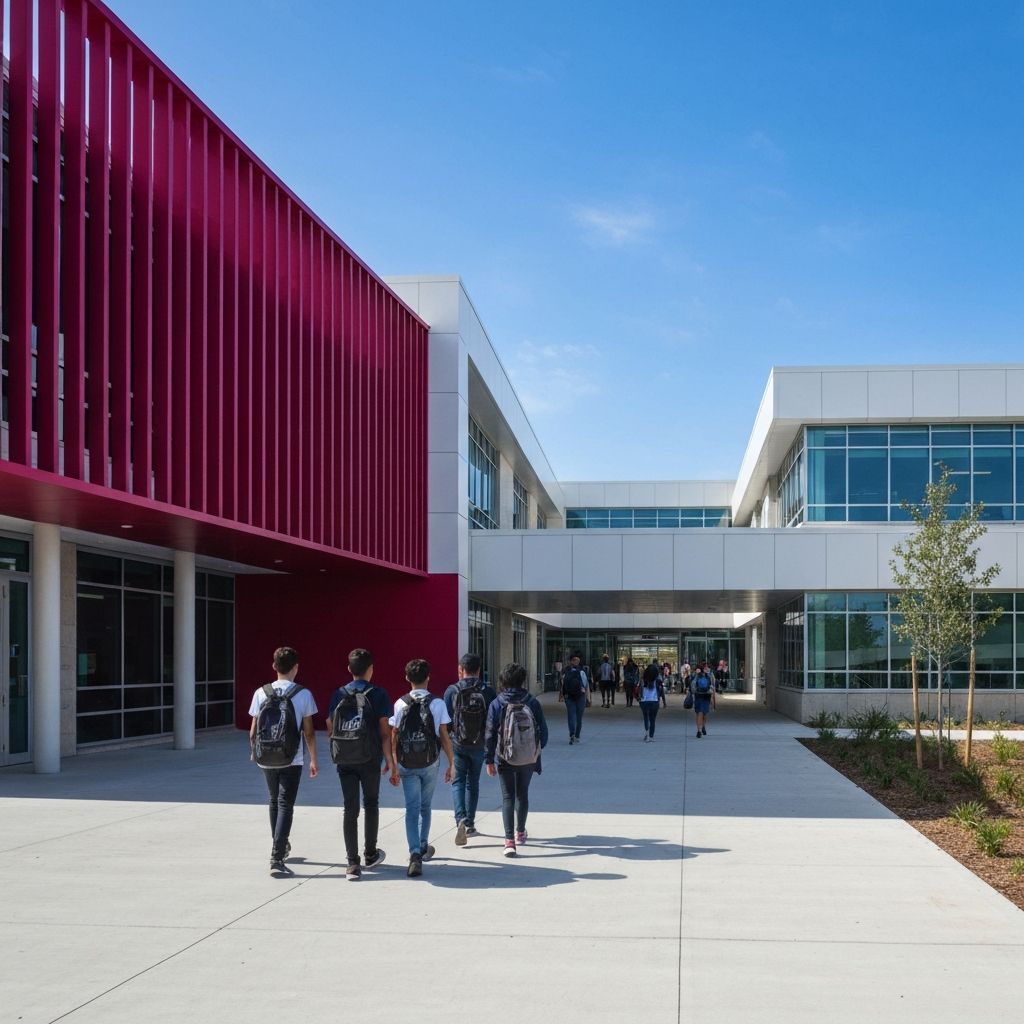
The Foundation of Successful School Leadership
Running a school successfully is one of the most challenging and rewarding responsibilities in the field of education. It requires a unique combination of leadership skills, educational expertise, financial acumen, and the ability to build and maintain strong relationships with students, teachers, parents, and the broader community. A successful school is not defined solely by test scores or graduation rates, but by its ability to create a safe, inclusive, and inspiring environment where every student has the opportunity to reach their full potential.
At the heart of every successful school is strong leadership. The school principal or head of school sets the tone for the entire institution, establishing the vision, values, and expectations that guide daily operations and long-term planning. Effective school leaders are not just administrators; they are visionaries who inspire their teams, advocate for their students, and continuously seek ways to improve the quality of education they provide.
Developing a Clear Vision and Mission
Every successful school begins with a clear and compelling vision that articulates what the school aspires to be and what it hopes to achieve for its students. The vision should be ambitious yet achievable, inspiring yet practical, and should reflect the values and priorities of the school community.
The mission statement is the practical counterpart to the vision, describing how the school will work toward its aspirational goals. A strong mission statement addresses the school's approach to teaching and learning, its commitment to student well-being, its expectations for conduct and character, and its role in the broader community.
The vision and mission should be developed collaboratively with input from teachers, parents, students, and community members. When stakeholders have a voice in shaping the school's direction, they are more likely to feel invested in its success and committed to supporting its goals. The vision and mission should be regularly reviewed and updated to ensure they remain relevant and aligned with the evolving needs of the school community.
Building a Strong and Supportive Team
A school is only as good as its teachers and staff. Recruiting, developing, and retaining talented educators is one of the most important responsibilities of school leadership. The quality of teaching is the single most significant school-based factor in student achievement, making it essential to invest in building a strong and supportive team.
Effective recruitment starts with clearly defining the qualities and qualifications you are looking for in teachers and staff. Beyond academic credentials and subject matter expertise, look for candidates who demonstrate a passion for teaching, a commitment to continuous learning, strong communication skills, and the ability to build positive relationships with students and colleagues.
Professional development is essential for keeping teachers engaged, effective, and up-to-date with the latest educational research and best practices. Successful schools invest heavily in ongoing training and provide opportunities for teachers to collaborate, observe one another, attend conferences, and pursue advanced certifications. Professional learning communities, where teachers regularly meet to discuss student data, share strategies, and solve problems collectively, are a hallmark of high-performing schools.
Retention is just as important as recruitment. Teacher turnover disrupts student learning and can damage school culture. To retain your best teachers, create a supportive work environment that values their contributions, provides competitive compensation, offers meaningful leadership opportunities, and fosters a sense of community and belonging.
Creating an Effective Curriculum
The curriculum is the backbone of any school, defining what students will learn and how they will learn it. An effective curriculum is rigorous, relevant, and aligned with both academic standards and the real-world skills students will need to succeed beyond school.
Start by ensuring that the curriculum meets or exceeds the standards set by your state or national education authority. These standards provide a baseline for what students should know and be able to do at each grade level, and they serve as the foundation for assessments and accountability measures.
Beyond standards compliance, an effective curriculum incorporates critical thinking, creativity, collaboration, and communication, often referred to as the four Cs of 21st-century learning. Students should have opportunities to engage in project-based learning, problem-solving activities, and interdisciplinary studies that connect classroom learning to real-world applications.
Differentiated instruction is essential for meeting the diverse learning needs of all students. Effective teachers use a variety of instructional strategies, materials, and assessments to accommodate different learning styles, abilities, and interests. Technology can play a powerful role in differentiation, providing adaptive learning platforms, multimedia resources, and tools for personalized learning pathways.
Financial Management and Resource Allocation
Sound financial management is essential for the sustainability and success of any school. School leaders must be skilled at budgeting, resource allocation, and financial planning to ensure that limited resources are used effectively to support the school's mission and priorities.
Developing an annual budget requires input from department heads, teachers, and administrative staff to identify needs and priorities. The budget should align with the school's strategic plan and allocate resources to the areas that will have the greatest impact on student learning and school improvement.
Revenue sources for schools vary depending on whether the school is public, private, or charter. Public schools are primarily funded through local property taxes, state allocations, and federal grants. Private schools rely on tuition, donations, and endowment income. Charter schools receive public funding but may also seek additional support through grants and fundraising.
Effective financial management also involves long-term planning for capital improvements, technology upgrades, and facility maintenance. Establishing a reserve fund for unexpected expenses and planned improvements ensures that the school can respond to opportunities and challenges without disrupting its core operations.
Fostering a Positive School Culture
School culture encompasses the shared beliefs, values, norms, and practices that shape the daily life of the school community. A positive school culture promotes academic achievement, social-emotional well-being, and a sense of belonging for all members of the community.
Creating a positive culture starts with establishing clear expectations for behavior and conduct. A well-defined code of conduct that is consistently enforced helps create a safe and orderly environment where students can focus on learning. Positive behavior interventions and supports provide a framework for recognizing and reinforcing good behavior while addressing behavioral challenges in a constructive manner.
Social-emotional learning should be integrated into the school's culture and curriculum. Programs that teach students to manage emotions, set goals, show empathy, maintain relationships, and make responsible decisions contribute to a more supportive and inclusive school environment. Research consistently shows that social-emotional learning improves academic outcomes, reduces behavioral problems, and enhances students' overall well-being.
Celebrating diversity and promoting inclusivity are essential components of a positive school culture. Schools should actively work to create an environment where students of all backgrounds, abilities, and identities feel valued and respected. This includes incorporating diverse perspectives into the curriculum, providing culturally responsive teaching, and addressing issues of bias and discrimination proactively.
Engaging Parents and the Community
Strong partnerships between the school and the broader community are essential for student success. Parents and community members bring valuable resources, perspectives, and support that can enhance the educational experience and strengthen the school's impact.
Regular, transparent communication with parents is the foundation of effective engagement. Use multiple channels, including newsletters, email updates, social media, parent portals, and face-to-face meetings, to keep parents informed about school activities, student progress, and opportunities for involvement.
Parent involvement in school activities, such as volunteering, attending events, and participating in governance committees, has been consistently linked to improved student outcomes. Create meaningful opportunities for parents to contribute their time and talents, and make sure these opportunities are accessible to families with varying schedules and resources.
Community partnerships with local businesses, nonprofits, government agencies, and higher education institutions can provide additional resources and opportunities for students. These partnerships can support internship programs, mentoring relationships, guest speaker series, field trips, and scholarship opportunities.
Using Data to Drive Decision Making
Data-driven decision making is a hallmark of successful schools. By systematically collecting, analyzing, and acting on data, school leaders can identify strengths and weaknesses, monitor progress toward goals, and make informed decisions about programs, practices, and resource allocation.
Student achievement data, including standardized test scores, classroom assessments, and grades, provides the most direct measure of the school's effectiveness in meeting its academic goals. Analyze this data at the school, grade, classroom, and individual student levels to identify patterns and target interventions where they are most needed.
Non-academic data, such as attendance rates, discipline records, survey results, and graduation rates, provides important context for understanding the overall health of the school. High absenteeism, for example, may indicate underlying issues with school climate, student engagement, or family circumstances that need to be addressed.
Embracing Technology and Innovation
Technology has the power to transform teaching and learning, and successful schools embrace it as a tool for innovation and improvement. From interactive whiteboards and learning management systems to coding classes and virtual reality field trips, technology can enhance engagement, personalize learning, and prepare students for a digital world.
Effective technology integration requires more than just purchasing devices. It requires a thoughtful plan that includes professional development for teachers, alignment with curriculum goals, and ongoing support for troubleshooting and maintenance. Schools should also address digital citizenship, teaching students to use technology responsibly, ethically, and safely.
Conclusion
Running a school successfully requires a multifaceted approach that encompasses strong leadership, effective teaching, sound financial management, positive culture, community engagement, and a commitment to continuous improvement. By focusing on these key areas and remaining responsive to the evolving needs of students and the broader community, school leaders can create institutions that not only achieve academic excellence but also nurture well-rounded, confident, and compassionate young people prepared to make meaningful contributions to society.
