
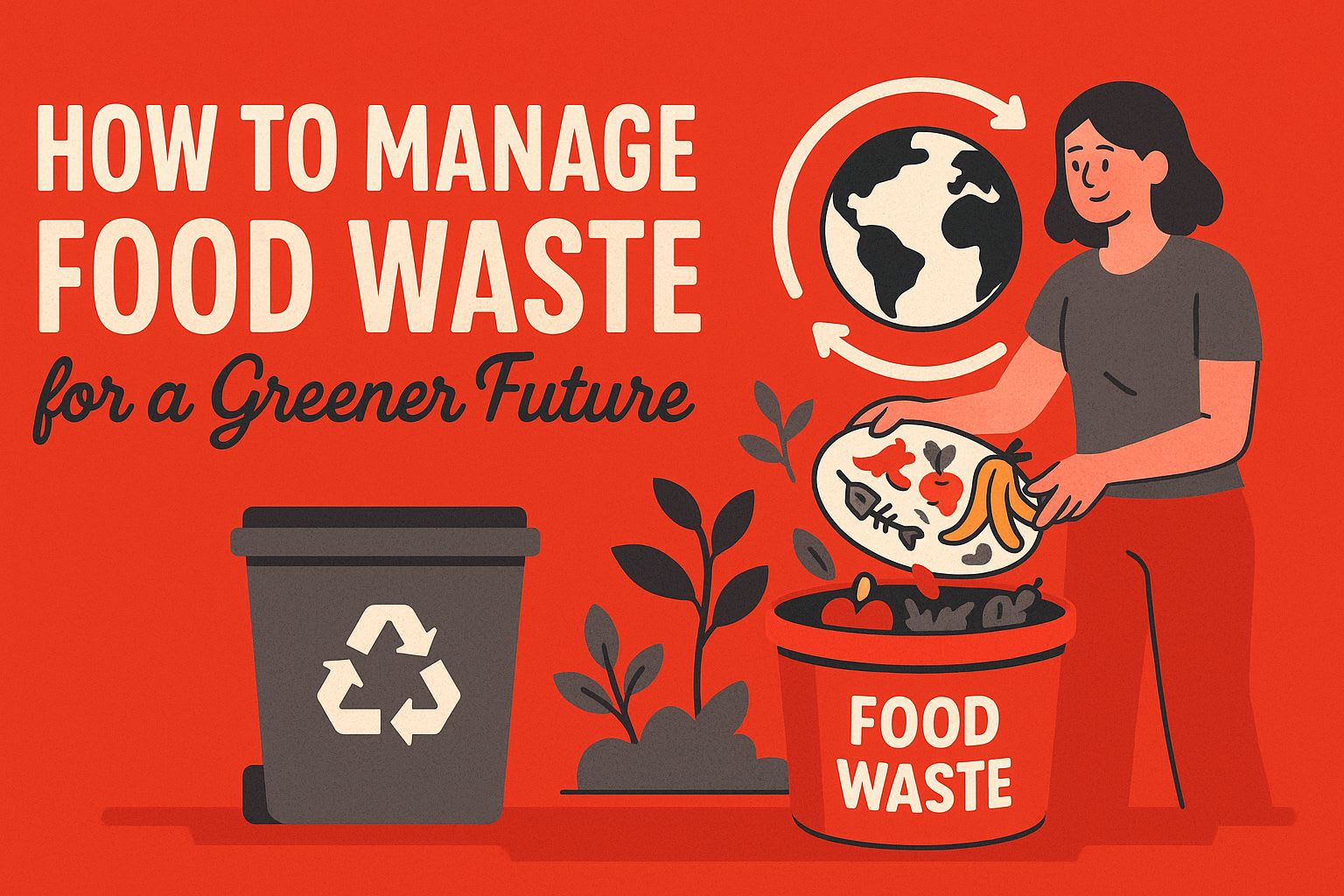
Food waste is one of the most pressing environmental challenges of the 21st century. As the global population grows and urban spaces expand, the amount of food discarded at home, in restaurants, at markets, and throughout supply chains continues to rise. This wasted food represents more than just lost resources—it contributes significantly to climate change, deforestation, water scarcity, and biodiversity loss. Managing food waste is therefore a critical step in building a sustainable future. This guide explores the many dimensions of food waste, why it matters, and how individuals, businesses, and communities can take effective action toward a greener future.
Understanding the Importance of Food Waste Management
Food waste occurs when edible items are discarded, spoiled, or left uneaten. Globally, around one-third of all food produced for human consumption goes to waste. This represents millions of tons of greenhouse gases released into the atmosphere, billions of gallons of water wasted, and huge economic losses. When food decomposes in landfills, it emits methane, a greenhouse gas significantly more potent than carbon dioxide. By recognizing these impacts, society can better understand why managing food waste is not just a personal responsibility but an environmental and economic necessity.
Food waste management also helps enhance food security. With millions of people living with food shortages, reducing waste ensures that more food reaches those in need. Efficient management also conserves agricultural resources such as land, water, and energy. When food is wasted, all of the resources used to grow, transport, and process that food are also wasted. By minimizing waste, communities can create more resilient and sustainable food systems.
Common Causes of Food Waste
Although food waste happens at every stage of the food supply chain, certain behaviors and systems contribute more heavily to the problem. At the household level, improper meal planning, overbuying, misunderstanding expiration labels, and improper storage are leading causes. Many people purchase more food than they need, let items expire, or overlook ingredients that could still be used. Lack of awareness about how to store food properly also leads to premature spoilage.
In restaurants and commercial kitchens, large portion sizes, inaccurate forecasting, and strict aesthetic standards often result in significant waste. Markets and grocery stores may discard perfectly edible food simply because it does not meet visual standards or because they need to rotate inventory. At the production level, transportation delays, packaging issues, and inefficient harvesting methods create waste long before the food even reaches consumers.
How Food Waste Affects the Environment
One of the biggest environmental impacts of food waste is the generation of methane gas. As food breaks down anaerobically (without oxygen) in landfills, it produces methane, which contributes heavily to global warming. The Intergovernmental Panel on Climate Change (IPCC) notes that methane traps more heat than carbon dioxide, making it a critical contributor to climate change when released in large amounts.
Food waste also harms ecosystems by increasing the demand for agricultural land. Forests are cleared to produce more food, which later may be lost or discarded. This accelerates deforestation and reduces biodiversity. In addition, food production consumes large amounts of water. When food is wasted, the water used to grow, process, and transport it is wasted as well. Reducing food waste can therefore significantly reduce the strain on environmental resources.
The Role of Households in Reducing Food Waste
Individuals can play a crucial role in reducing food waste through intentional habits and mindful consumption. One of the simplest ways to begin is by planning meals ahead of time. By creating shopping lists based on planned meals, households can avoid impulse purchases and reduce the risk of having unused ingredients.
Understanding expiration labels is also important. Many people confuse "best before," "sell by," and "use by" dates. In many cases, food past the “best before” date is still safe to eat. Learning the difference can prevent premature disposal of perfectly edible food. In addition, proper food storage can extend the shelf life of items. For example, storing leafy greens in airtight containers or using breathable bags for fruits and vegetables can prevent them from spoiling too quickly.
Creative cooking is another effective strategy. Instead of throwing out small quantities of leftovers or ingredients, these items can be used in soups, stir-fries, or compost. Households can also freeze food that might otherwise be wasted. Freezing extends the lifespan of bread, fruits, vegetables, and even prepared meals.
Food Waste Reduction in Restaurants and Businesses
Restaurants and food businesses generate large quantities of food waste daily. Fortunately, many strategies can help reduce this waste significantly. One of the most effective methods is adjusting portion sizes. Offering different portion options allows customers to choose the amount they can eat, reducing the likelihood of leftovers being thrown away.
Restaurants can also improve inventory management by using data to forecast demand more accurately. Tracking which menu items sell well and which ingredients frequently go unused helps businesses make informed purchasing decisions. Proper training for staff on storage, labeling, and handling can also minimize waste.
In addition, restaurants can partner with food recovery organizations that collect surplus food and distribute it to communities in need. This not only reduces waste but also supports social welfare initiatives. Composting programs can further divert food scraps from landfills, turning organic waste into valuable fertilizer.
Innovative Solutions and Technologies
Technology is transforming the way food waste is managed. Smart refrigerators equipped with sensors can track expiration dates, suggest recipes based on available ingredients, and notify homeowners when food is about to spoil. Mobile apps connect users with local stores offering discounted soon-to-expire items, helping both consumers and retailers reduce waste.
In agriculture, technologies such as precision farming and improved cold chain systems reduce inefficiencies that lead to waste. Blockchain is also being used to enhance supply chain transparency, helping identify where waste occurs and enabling targeted interventions.
Food recycling technologies are growing as well. Machines that convert food scraps into compost, fertilizer, or even renewable energy are becoming more accessible to consumers and businesses. These innovations demonstrate the potential for technology to support a greener future.
Community Initiatives to Support Food Waste Reduction
Community efforts can amplify the impact of individual actions. Local composting programs allow residents to drop off food scraps that are then processed into compost for community gardens. Food-sharing programs connect households with excess food to neighbors in need. Schools and universities often integrate food waste education into their programs, teaching students about sustainable practices.
Farmers’ markets can also play a role by selling “imperfect produce”—fruits and vegetables that do not meet cosmetic standards but are still edible. These initiatives reduce waste at the production level and encourage consumers to embrace sustainability.
The Power of Composting
Composting is one of the most environmentally friendly ways to manage food waste. It transforms organic matter into nutrient-rich soil that can be used in gardening and agriculture. Composting reduces the amount of waste sent to landfills and decreases methane emissions. It also enriches soil health, supporting healthier plant growth and reducing the need for chemical fertilizers.
A composting system can be as simple as a small bin in the kitchen or as elaborate as a backyard compost pile. Many municipalities also offer curbside compost collection. Items such as fruit peels, vegetable scraps, coffee grounds, and eggshells can all be composted. By composting regularly, households can significantly reduce their environmental footprint.
Educating Future Generations
Education is essential for long-term change. Teaching children about food waste helps create a generation that values sustainability. Schools can incorporate lessons on composting, food storage, and environmentally conscious shopping. Hands-on activities, such as school gardens or waste audits, give students practical experience in understanding and reducing waste.
Parents can reinforce these lessons at home by involving children in meal planning, grocery shopping, and cooking. When children understand the effort and resources required to produce food, they develop a greater appreciation for it and are less likely to waste it.
Building a Greener Future Through Food Waste Management
Managing food waste is not an isolated effort but a crucial part of building a sustainable and resilient future. By adopting mindful habits at home, encouraging businesses to implement waste reduction strategies, supporting community initiatives, and leveraging innovations, society can drastically reduce the amount of food that ends up in landfills.
A greener future depends on collective action. Every individual, business, and community has the power to make a meaningful difference. When we treat food as the valuable resource it is, we reduce environmental harm, support food security, and contribute to a healthier planet. Food waste management is more than a trend—it is a necessity for the future of our ecosystems and generations to come.
