
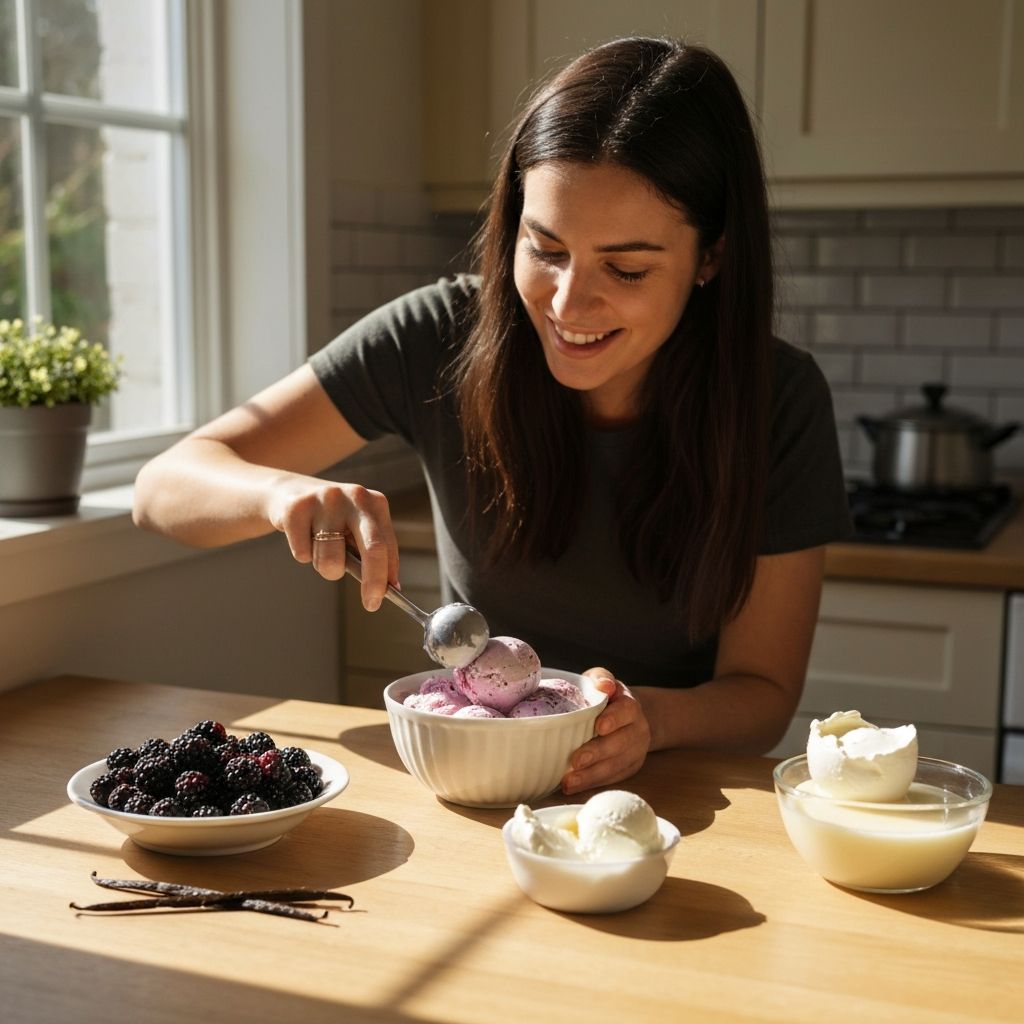
Why Homemade Ice Cream Is Worth the Effort
There is something truly magical about making your own ice cream at home. Unlike store-bought varieties that often contain stabilizers, artificial flavors, and excessive amounts of air, homemade ice cream offers unparalleled freshness, richer texture, and the freedom to customize every scoop to your exact preferences. Whether you are a seasoned home cook or a complete beginner, crafting ice cream from scratch is a rewarding experience that yields a dessert far superior to anything you can pick up at the grocery store.
The beauty of homemade ice cream lies in its simplicity. At its core, ice cream is a combination of cream, sugar, and flavor. With just a handful of quality ingredients and a bit of patience, you can create everything from a silky vanilla bean custard to an indulgent chocolate fudge swirl. In this guide, we will walk you through every step of the process, from choosing your base to mastering the churn and achieving the perfect consistency.
Essential Ingredients for Homemade Ice Cream
Before you begin, it is important to understand the role each ingredient plays in your final product. The foundation of any great ice cream starts with high-quality ingredients that work together to create the ideal balance of flavor, sweetness, and texture.
Heavy cream is the star of the show. It provides the rich, luxurious mouthfeel that defines premium ice cream. Look for heavy cream with at least 36 percent fat content for the best results. Whole milk balances the richness of the cream and helps create a smoother texture. The combination of cream and milk gives your ice cream body without making it overly dense.
Granulated sugar does more than just sweeten your ice cream. It lowers the freezing point of the mixture, which prevents the ice cream from becoming rock-hard in the freezer. Most recipes call for three-quarters of a cup to one cup of sugar per batch, but you can adjust this to taste. Egg yolks are used in custard-based (French-style) ice cream to add richness, create a velvety texture, and act as a natural emulsifier that keeps the mixture stable.
Finally, vanilla extract or other flavorings form the signature taste of your creation. Pure vanilla extract is recommended over imitation for its complex, nuanced flavor. You can also use vanilla bean pods for an even more authentic taste, scraping the seeds directly into your base.
Equipment You Will Need
Making homemade ice cream does not require a professional kitchen, but having the right tools makes the process much easier and more enjoyable. Here is what you should have on hand before you start.
An ice cream maker is the most efficient tool for churning ice cream. There are several types available, including freeze-bowl models, compressor machines, and old-fashioned rock salt and ice churns. Freeze-bowl models are the most affordable and work well for beginners, though you need to remember to freeze the bowl for at least 24 hours before use. Compressor machines are more expensive but offer the convenience of churning on demand without pre-freezing.
You will also need a heavy-bottomed saucepan for heating your custard base, a whisk for combining ingredients, a fine-mesh strainer for removing any cooked egg bits from a custard base, and a freezer-safe container with a tight-fitting lid for storing your finished ice cream. A digital thermometer is helpful for monitoring custard temperatures and ensuring food safety.
Classic Vanilla Ice Cream Recipe: Custard Base Method
This traditional French-style recipe uses egg yolks to create an incredibly rich and creamy ice cream with a smooth, dense texture. It requires a bit more effort than a no-cook recipe but delivers exceptional results that are well worth the extra steps.
Start by combining two cups of heavy cream and one cup of whole milk in a medium saucepan over medium heat. Stir occasionally until the mixture is warm and just beginning to steam, but do not let it boil. While the dairy heats, whisk together four large egg yolks and three-quarters of a cup of granulated sugar in a separate bowl until the mixture is pale yellow and slightly thick.
Once the dairy is warm, slowly pour about half a cup of the hot mixture into the egg yolks while whisking constantly. This process, called tempering, gradually raises the temperature of the eggs without scrambling them. Pour the tempered egg mixture back into the saucepan with the remaining dairy and cook over medium-low heat, stirring constantly with a wooden spoon or spatula.
Continue cooking until the custard thickens enough to coat the back of the spoon, which typically takes eight to ten minutes. The temperature should reach 170 to 175 degrees Fahrenheit on a digital thermometer. Remove from heat immediately and pour the custard through a fine-mesh strainer into a clean bowl. Stir in two teaspoons of pure vanilla extract.
Cover the custard with plastic wrap, pressing it directly against the surface to prevent a skin from forming. Refrigerate for at least four hours or overnight. The colder your base, the better your ice cream will churn.
No-Churn Ice Cream: The Easy Alternative
If you do not own an ice cream maker, do not worry. No-churn ice cream is a fantastic alternative that produces surprisingly creamy results with minimal effort. The secret ingredient is sweetened condensed milk, which provides both sweetness and a smooth, scoopable texture without the need for churning.
To make no-churn vanilla ice cream, whip two cups of cold heavy cream with a hand mixer or stand mixer until stiff peaks form. In a separate bowl, combine one 14-ounce can of sweetened condensed milk with two teaspoons of vanilla extract. Gently fold the whipped cream into the condensed milk mixture in two or three additions, being careful not to deflate the cream.
Pour the mixture into a loaf pan or freezer-safe container, cover tightly with plastic wrap and a lid, and freeze for at least six hours or overnight. The result is a rich, creamy ice cream that scoops beautifully and tastes remarkably close to churned versions.
Popular Flavor Variations to Try
Once you have mastered the basic vanilla recipe, the world of ice cream flavors is your playground. Here are some popular variations that are easy to execute at home.
Chocolate: Add six ounces of melted semi-sweet chocolate to your warm custard base, or whisk in half a cup of high-quality cocoa powder with the sugar. For an extra-intense chocolate experience, do both. Strawberry: Puree two cups of fresh strawberries with two tablespoons of sugar and let the mixture sit for 30 minutes. Fold the puree into your chilled base before churning. Mint chocolate chip: Replace the vanilla extract with one teaspoon of peppermint extract and add a few drops of green food coloring if desired. Fold in one cup of mini chocolate chips during the last few minutes of churning.
Cookie dough: Prepare small balls of edible cookie dough (made without raw eggs) and fold them into your freshly churned ice cream before transferring to the freezer. Salted caramel: Swirl homemade or store-bought caramel sauce into your vanilla base and add half a teaspoon of flaky sea salt for a sophisticated sweet-and-salty combination.
Tips for Perfect Homemade Ice Cream Every Time
Achieving ice cream shop quality at home comes down to a few key techniques. First, always chill your base thoroughly before churning. A cold base freezes faster, which creates smaller ice crystals and a smoother texture. Ideally, refrigerate your base overnight for the best results.
Second, do not over-churn your ice cream. Most ice cream makers take 20 to 30 minutes to reach the right consistency. The ice cream should look like soft-serve when it comes out of the machine. It will firm up further in the freezer. Over-churning can introduce too much air or cause the fat to separate, resulting in a grainy or buttery texture.
Third, when storing your ice cream, press a piece of plastic wrap or parchment paper directly against the surface before putting on the lid. This prevents ice crystals from forming on top and keeps your ice cream fresh for up to two weeks. Finally, let your ice cream sit at room temperature for five to ten minutes before scooping. This brief tempering period makes it easier to serve and improves the flavor and texture on your palate.
Troubleshooting Common Issues
Even experienced ice cream makers encounter problems from time to time. If your ice cream is too icy, the most likely culprit is not enough fat or sugar in the recipe, or the base was not cold enough before churning. Try increasing the cream-to-milk ratio or adding a tablespoon of corn syrup, which inhibits ice crystal formation.
If your ice cream is too soft and will not set properly, it may have too much sugar or alcohol in the recipe, both of which lower the freezing point. Reduce the sugar slightly or allow more time in the freezer. If your custard base has lumps, the eggs may have scrambled slightly during cooking. Always strain your custard through a fine-mesh sieve and temper your eggs carefully to avoid this issue.
Making homemade ice cream is as much an art as it is a science. With practice and a willingness to experiment, you will develop an intuition for creating frozen treats that rival the best artisan ice cream shops. So grab your ingredients, fire up the ice cream maker, and start crafting your perfect scoop today.
