
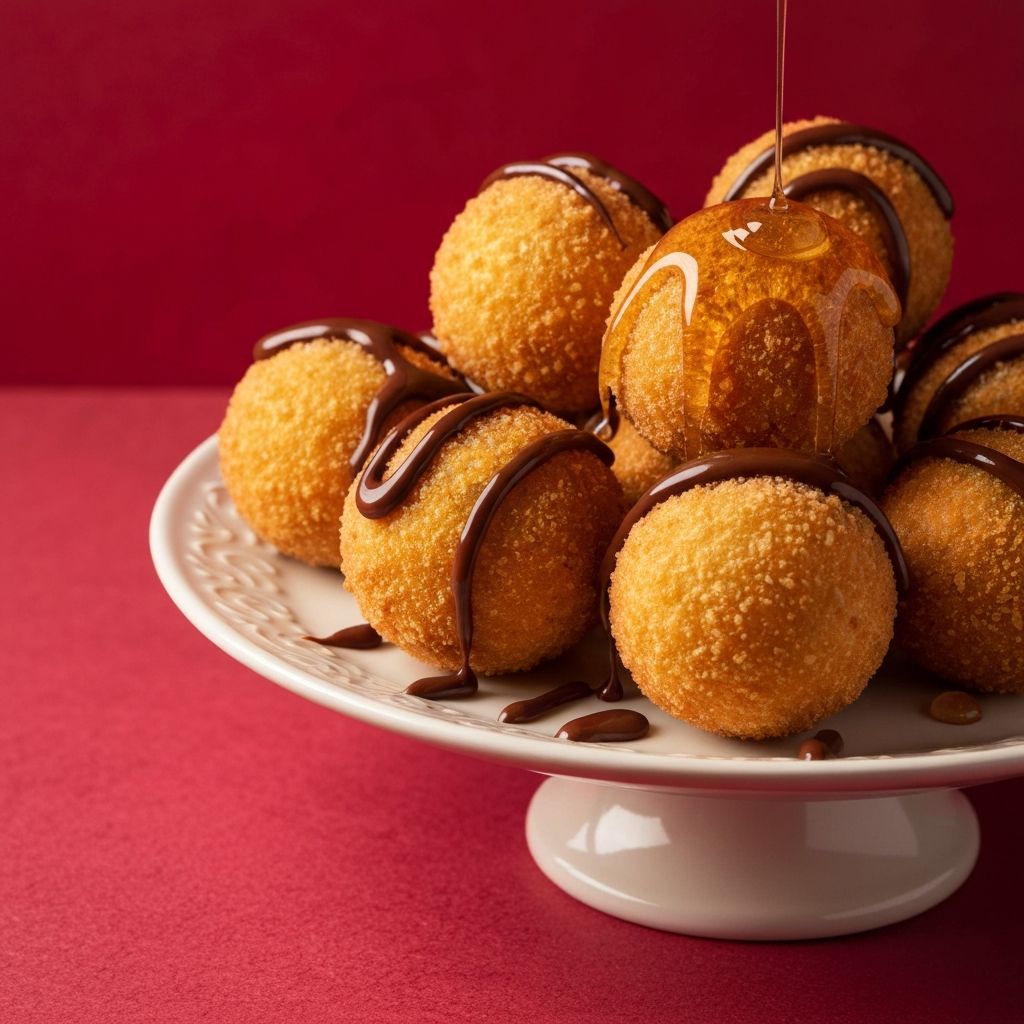
The Magic of Fried Ice Cream
Fried ice cream is one of those desserts that seems to defy the laws of physics. How can you possibly deep-fry something that is meant to be frozen without it melting into a pool of creamy liquid? The answer lies in clever technique, precise timing, and an understanding of the science of heat transfer. When done correctly, fried ice cream delivers an irresistible contrast of textures and temperatures: a shatteringly crispy, golden-brown exterior giving way to perfectly cold, creamy ice cream inside. It is a showstopper of a dessert that never fails to impress guests.
While fried ice cream is often associated with Mexican restaurants in the United States, variations of this dessert exist in cuisines around the world. Japanese tempura ice cream, Thai fried ice cream, and Chinese fried ice cream all put their own spin on the concept, using different coatings and flavors. The version most familiar to American diners typically features vanilla ice cream coated in crushed cornflakes or cookies, quickly fried, and served with whipped cream, chocolate sauce, and a cherry on top.
Essential Equipment and Ingredients
Before you begin making fried ice cream, gather all your equipment and ingredients. You will need a reliable ice cream scoop, plastic wrap or parchment paper, a baking sheet that fits in your freezer, a deep fryer or large heavy-bottomed pot suitable for deep frying, a cooking thermometer, a slotted spoon or spider strainer, and paper towels for draining.
For the ice cream, use a high-quality, dense ice cream. Premium brands with a higher fat content and lower overrun (less air whipped in) work best because they melt more slowly. Vanilla is the classic choice, but you can use any flavor you prefer. Avoid ice cream with large mix-ins or swirls, as these can create weak points in the coating where melted ice cream can leak through during frying.
For the coating, the most popular option is crushed cornflakes or corn flake cereal, which creates a beautifully crunchy, golden exterior. Other excellent coating options include crushed graham crackers, crushed cookies like vanilla wafers or gingersnaps, panko breadcrumbs mixed with cinnamon sugar, crushed frosted flakes for extra sweetness, and shredded coconut. You will also need eggs for the egg wash, cinnamon and sugar for flavoring the coating, and oil for frying. Choose an oil with a high smoke point like vegetable oil, canola oil, or peanut oil.
Step One: Forming and Freezing the Ice Cream Balls
The foundation of successful fried ice cream is starting with extremely cold, firmly frozen ice cream balls. Using a large ice cream scoop, form balls of ice cream that are approximately the size of a tennis ball, about three inches in diameter. Place each ball on a parchment-lined baking sheet and immediately return them to the freezer. Let them freeze for at least one hour until they are rock solid.
The key to success is making the ice cream balls as cold and firm as possible before coating and frying. Some experienced cooks freeze the ice cream balls for at least two hours, or even overnight, before proceeding to the coating step. The colder the ice cream core, the more time you have during the frying process before the ice cream begins to melt. If your freezer runs on the warmer side, consider turning it to its coldest setting the day before you plan to make fried ice cream.
Step Two: Creating the Coating
Prepare your coating mixture while the ice cream balls are freezing. For a classic cornflake coating, crush four cups of cornflakes into fine crumbs using a food processor or by placing them in a zip-top bag and crushing them with a rolling pin. Transfer the crushed cornflakes to a shallow bowl and mix in two teaspoons of ground cinnamon and two tablespoons of granulated sugar. In a separate shallow bowl, whisk two large eggs with one tablespoon of water to create an egg wash.
Remove the frozen ice cream balls from the freezer one at a time, working quickly. Roll each ball in the egg wash, making sure it is completely coated, then immediately roll it in the cornflake mixture, pressing the crumbs firmly onto the surface to create a thick, even coating. Place the coated ball back on the baking sheet and return it to the freezer. Repeat with the remaining ice cream balls.
For the most effective insulation against the hot oil, apply a double coating. After all the balls have been coated once and frozen for at least 30 minutes, repeat the egg wash and cornflake coating process. This second layer of coating creates a thicker barrier between the hot oil and the frozen ice cream, giving you more frying time and a crunchier result. Return the double-coated balls to the freezer for at least two hours, or overnight for best results.
Step Three: Frying
When you are ready to fry, heat your oil to 375 degrees Fahrenheit (190 degrees Celsius). Use enough oil so the ice cream balls can be fully submerged; in a deep fryer or large pot, this typically means at least three to four inches of oil. Use a cooking thermometer to monitor the temperature carefully, as oil that is too cool will not crisp the coating quickly enough, allowing the ice cream to melt, while oil that is too hot may burn the coating before it crisps properly.
Working with one ball at a time, remove a frozen coated ice cream ball from the freezer and immediately and carefully lower it into the hot oil using a slotted spoon or spider strainer. Fry for 10 to 15 seconds only, just until the coating turns golden brown. This is where the magic happens: the brief frying time is long enough to crisp the coating but short enough that the ice cream inside remains frozen. Remove the fried ice cream ball immediately and place it on a paper towel-lined plate.
Speed is absolutely critical during the frying step. Have all your serving plates, toppings, and garnishes ready before you start frying, because fried ice cream waits for no one. From the moment it comes out of the oil, the ice cream inside begins to warm, and you have only a minute or two before it starts to melt through the coating.
Step Four: Serving and Toppings
Serve fried ice cream immediately after frying for the best experience. Place each fried ice cream ball on a plate or in a shallow bowl and add your desired toppings. Classic toppings include a generous drizzle of honey or chocolate sauce, a dollop of whipped cream, a sprinkle of ground cinnamon, a maraschino cherry on top, and a dusting of powdered sugar.
For a Mexican-restaurant style presentation, drizzle with honey and caramel sauce, add a swirl of whipped cream, and sprinkle with cinnamon. For an Asian-inspired version, drizzle with condensed milk and top with sesame seeds. For an over-the-top indulgent version, add hot fudge sauce, chopped nuts, sprinkles, and a cherry.
Alternative No-Fry Methods
If deep frying at home makes you nervous or if you want a simpler approach, there are no-fry methods that produce similar results. One popular alternative is to coat the frozen ice cream balls in the cornflake mixture and then torch the exterior with a kitchen torch to create a lightly toasted, crispy coating. Another method is to bake the coated frozen ice cream balls in a preheated 500-degree Fahrenheit oven for two to three minutes, just until the coating begins to brown. Both methods produce a warm, crunchy coating around cold ice cream, though the texture differs slightly from the deep-fried version. Regardless of the method you choose, the key to success is always the same: start with extremely cold, firmly frozen ice cream, work quickly, and serve immediately.
