
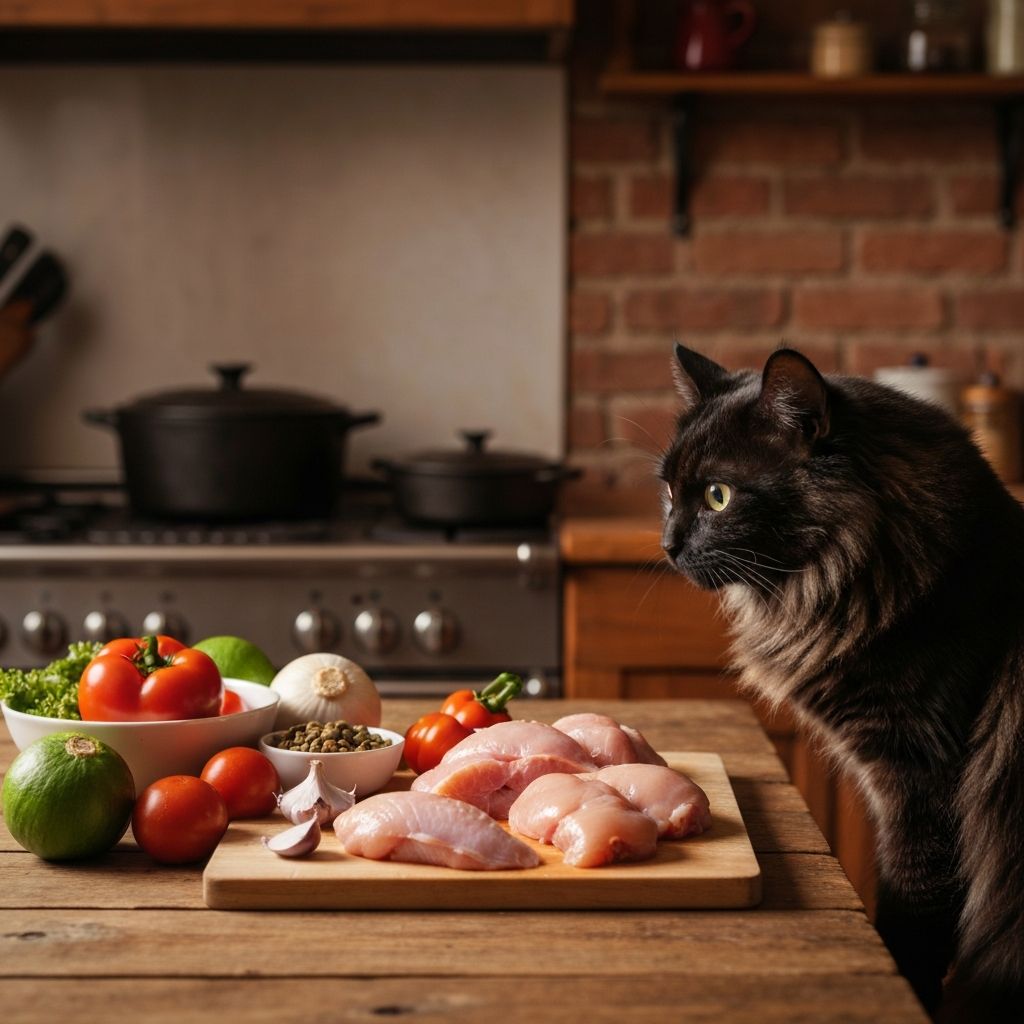
How to Make Cat Food at Home: A Complete Guide
Making homemade cat food has become increasingly popular among pet owners who want more control over what their feline companions eat. Whether motivated by concerns about commercial food quality, a desire to address specific health conditions, or simply the satisfaction of preparing fresh meals for a beloved pet, homemade cat food can be a viable option when done correctly. However, it is crucial to understand that cats have very specific nutritional requirements, and an improperly formulated homemade diet can lead to serious health problems.
This guide provides comprehensive information about making cat food at home, including essential nutrients, basic recipes, safety considerations, and expert recommendations. Before transitioning your cat to a homemade diet, always consult with your veterinarian or a veterinary nutritionist to ensure the diet meets your cat's individual needs.
Understanding Feline Nutritional Requirements
Cats are obligate carnivores, which means they require nutrients that are found primarily or exclusively in animal tissues. Unlike dogs and humans, cats cannot synthesize certain essential nutrients from plant-based sources and must obtain them directly from meat. Understanding these unique requirements is the foundation of formulating a safe and nutritious homemade cat food.
Taurine is perhaps the most critical nutrient for cats. This amino acid is essential for heart function, vision, reproduction, and immune system health. Cats cannot produce enough taurine on their own and must obtain it from their diet. A taurine deficiency can lead to dilated cardiomyopathy (a life-threatening heart condition), retinal degeneration leading to blindness, and reproductive problems. Taurine is found in high concentrations in heart meat, dark meat poultry, and organ meats.
Arachidonic acid is an essential fatty acid that cats cannot synthesize from other fats. It is necessary for proper inflammatory response, blood clotting, reproductive health, and gastrointestinal function. This fatty acid is found only in animal fats, primarily in organ meats, egg yolks, and chicken fat. Vitamin A is another nutrient cats cannot produce from plant-based precursors like beta-carotene, as humans can. Cats need preformed vitamin A from animal sources like liver.
Other essential nutrients include vitamin D (cats cannot produce it from sunlight like humans), niacin (cats have a high requirement due to their metabolic pathways), and arginine (an amino acid essential for ammonia detoxification). These complex requirements are why simply feeding your cat plain cooked chicken, while better than nothing in an emergency, does not constitute a complete and balanced diet.
Essential Ingredients for Homemade Cat Food
A properly formulated homemade cat food requires several categories of ingredients working together to provide complete nutrition. The primary ingredient should be a high-quality animal protein source, making up approximately 80-85% of the recipe. Suitable proteins include boneless, skinless chicken thighs (dark meat is preferred for its higher taurine and fat content), turkey, rabbit, and certain types of fish like salmon or sardines.
Organ meats are essential components that provide concentrated sources of vitamins and minerals. Liver should make up approximately 5% of the total recipe and provides vitamin A, B vitamins, iron, and copper. Heart meat should constitute another 5-10% and is the best dietary source of taurine. Other organ meats like kidney and gizzard can also be included for nutritional variety.
A small amount of carbohydrate or fiber source can be included, though cats have no dietary requirement for carbohydrates. Cooked pumpkin, sweet potato, or zucchini can provide fiber for digestive health and serve as a vehicle for supplements. These should make up no more than 5-10% of the total recipe. Fat sources like chicken fat, fish oil, or egg yolks provide essential fatty acids and calories.
Supplementation is absolutely critical in homemade cat food. Even the most carefully selected whole food ingredients cannot provide all the nutrients cats need in the correct proportions. At minimum, you will need to add a calcium source (ground eggshell or bone meal), taurine powder, fish oil for omega-3 fatty acids, vitamin E, and a B-complex vitamin. Many veterinary nutritionists recommend using a commercially available premix supplement designed specifically for homemade cat food to ensure all bases are covered.
Basic Homemade Cat Food Recipe
This recipe provides a starting point for homemade cat food, but it should be reviewed by your veterinarian or a veterinary nutritionist before feeding. You will need three pounds of boneless, skinless chicken thighs, four ounces of chicken liver, four ounces of chicken heart, one large egg yolk, one cup of water, two teaspoons of fish oil, one-quarter teaspoon of iodized salt, and supplements as recommended by your veterinarian (typically including taurine, vitamin E, B-complex, and calcium).
Begin by cutting the chicken thighs, liver, and heart into small pieces. You can either grind the meat using a meat grinder for a smoother consistency or chop it finely for a chunkier texture. Some cats prefer one texture over the other, so you may need to experiment. If your cat is transitioning from commercial food, a smoother consistency often makes the transition easier.
Combine the ground or chopped meat in a large bowl. Add the egg yolk, water, fish oil, salt, and all supplements. Mix thoroughly to ensure even distribution of the supplements throughout the food. Proper mixing is important because uneven supplement distribution could mean some portions are deficient while others have excess amounts.
Portion the finished food into daily or meal-sized servings and store in the refrigerator for up to three days or in the freezer for up to three months. When serving, warm refrigerated or thawed food slightly by adding a small amount of warm water and mixing it in. Cats generally prefer food at body temperature rather than cold from the refrigerator. Never microwave cat food in plastic containers, and stir thoroughly to eliminate any hot spots if you do use a microwave.
Raw vs Cooked Homemade Cat Food
The debate between raw and cooked homemade cat food is ongoing and passionate on both sides. Proponents of raw feeding argue that it more closely mimics a cat's natural diet and preserves heat-sensitive nutrients like taurine and certain enzymes. They point out that wild cats eat raw prey without issue and that raw diets can improve coat condition, dental health, and energy levels.
However, raw feeding carries significant food safety risks for both cats and their human families. Raw meat can harbor pathogenic bacteria such as Salmonella, E. coli, Listeria, and parasites like Toxoplasma gondii. While healthy cats may not always show symptoms of infection, they can shed these organisms in their feces, potentially infecting immunocompromised household members, young children, pregnant women, and elderly individuals.
Cooking meat to an internal temperature of 165 degrees Fahrenheit eliminates these pathogens while still providing excellent nutrition. While some taurine is lost during cooking (approximately 50-75% depending on the method), this can be compensated for by adding supplemental taurine to cooked recipes. Most veterinary organizations, including the American Veterinary Medical Association, advise against feeding raw animal products to pets due to the food safety risks.
Transitioning Your Cat to Homemade Food
Transitioning from commercial to homemade food should be done gradually over seven to fourteen days to minimize digestive upset. Start by replacing approximately 10-20% of your cat's current food with the new homemade food, gradually increasing the proportion over the transition period. Monitor your cat's appetite, stool quality, energy level, and overall demeanor throughout the transition.
Some cats are initially resistant to new foods, especially if they have been eating the same commercial diet for years. Patience is key. Warming the food slightly can make it more aromatic and appealing. Adding a small amount of the broth from cooking the meat or a sprinkle of nutritional yeast can also increase palatability. Avoid forcing the transition, as cats can develop food aversions if they associate a new food with stress or discomfort.
During and after the transition, schedule regular veterinary check-ups to monitor your cat's weight, body condition, and overall health. Blood work every six to twelve months can help detect any nutritional deficiencies or imbalances early, allowing for timely adjustments to the recipe. Your veterinarian may also recommend periodic urine analysis to ensure proper urinary tract health, as homemade diets can affect urine pH and mineral concentrations.
Common Mistakes to Avoid
The most dangerous mistake in homemade cat food preparation is failing to provide proper supplementation. Feeding unsupplemented meat, even high-quality meat with organ meats included, will result in nutritional deficiencies over time. Calcium deficiency is particularly common and dangerous, as cats fed an all-meat diet without calcium supplementation can develop metabolic bone disease, resulting in weakened bones, fractures, and severe pain.
Another common mistake is relying too heavily on a single protein source. Variety in protein sources helps ensure a broader spectrum of nutrients and reduces the risk of developing food sensitivities. Rotate between different meats throughout the week, including poultry, red meat, and fish, to provide diverse amino acid profiles and micronutrient content.
Avoid adding ingredients that are toxic to cats, including onions, garlic, chives, grapes, raisins, chocolate, caffeine, xylitol, and alcohol. While small amounts of certain herbs and vegetables are safe, others can cause serious health problems. Always research each ingredient thoroughly and consult with your veterinarian before adding anything new to your cat's homemade diet.
