
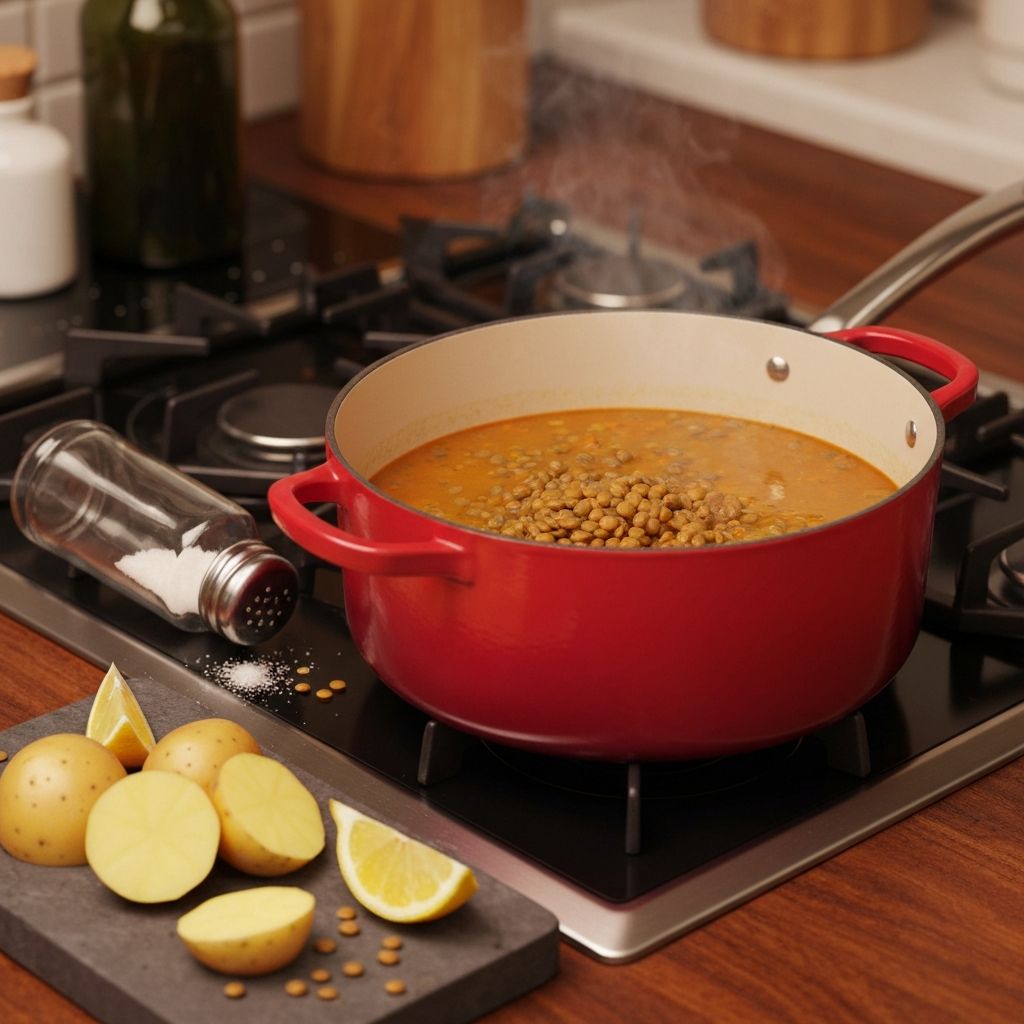
It Happens to Everyone: The Over-Salted Dish
Even the most experienced chefs occasionally add too much salt to a dish. Whether you accidentally poured when you meant to pinch, mistook tablespoons for teaspoons, or used a saltier ingredient than expected, an over-salted dish can feel like a culinary disaster. But before you dump your creation down the drain, know that there are several proven techniques that can help rescue your meal and bring the flavors back into balance.
The key to fixing salty food lies in understanding how salt interacts with other flavors. Salt is a powerful flavor enhancer that amplifies tastes and makes food more palatable, but only up to a point. Beyond that point, the saltiness becomes the dominant flavor and overwhelms everything else. The strategies in this guide work by either diluting the salt concentration, masking the salty taste with competing flavors, or physically removing salt from the dish.
Add More of Everything Else
The most straightforward way to fix an over-salted dish is to increase the volume of everything except salt. If you have extra ingredients on hand, simply double or increase the recipe by adding more of the base ingredients. This effectively dilutes the salt concentration throughout the dish and brings the seasoning back into balance.
For soups and stews, add more unsalted broth or stock, additional vegetables, more protein, or extra grains like rice or pasta. The increased volume will spread the existing salt across more food, reducing the perceived saltiness per serving. For sauces, add more of the base liquid, whether that is cream, tomato, stock, or wine. For stir-fries and sauteed dishes, add more vegetables or protein to absorb and distribute the excess salt.
This approach is the most reliable and effective method for fixing salty food because it does not alter the fundamental character of the dish. You are simply making more of it at the correct salt level. The downside is that you end up with more food than originally planned, but extra servings are rarely a bad thing, and the leftovers will be properly seasoned.
Add Acid to Balance the Salt
Acid is one of the most powerful tools for counteracting excessive saltiness. Adding an acidic ingredient like lemon juice, lime juice, vinegar, or wine can dramatically shift the perception of saltiness in a dish. Acid does not actually remove salt, but it creates a competing flavor that distracts the palate and makes the saltiness less noticeable.
The type of acid you choose should complement the cuisine and flavor profile of your dish. Lemon or lime juice works beautifully in Mediterranean, Asian, and Latin dishes. Red or white wine vinegar is ideal for French-inspired sauces and stews. Apple cider vinegar works well in comfort food dishes and barbecue sauces. Rice vinegar is a natural fit for Asian cuisine. Tomatoes, which are naturally acidic, can also help balance salt in Italian and Mexican dishes.
Start with a small amount of acid, just a teaspoon or two, and taste before adding more. Acid is powerful, and adding too much will create a new problem by making the dish overly sour. The goal is to add just enough acid to create balance, not to make the dish taste acidic. A squeeze of lemon juice at the end of cooking is one of the secrets professional chefs use to make their dishes taste perfectly seasoned, and it works exceptionally well when a dish is slightly too salty.
Use Fat to Mute the Saltiness
Fat has a remarkable ability to coat the palate and mute sharp flavors, including excess salt. Adding a fatty ingredient to an over-salted dish can significantly reduce the perception of saltiness and create a richer, more balanced flavor. This technique works particularly well in soups, sauces, pasta dishes, and any recipe where additional richness would be welcome.
Butter is one of the most effective fats for this purpose. Stirring in a tablespoon or two of unsalted butter at the end of cooking can smooth out the salt and add a luxurious creaminess to sauces, soups, and risottos. Cream or sour cream works similarly and is particularly effective in creamy soups, curries, and potato-based dishes. Olive oil can help balance salt in Mediterranean and Middle Eastern dishes.
Avocado is another excellent fat source that can help counteract saltiness. Adding diced avocado to an over-salted taco filling, grain bowl, or salad can provide a creamy counterpoint that makes the salt less aggressive. Coconut milk is the go-to fat for fixing over-salted Thai curries and Southeast Asian soups, as it provides both fat and sweetness that work together to balance the salt.
Sweeten Slightly to Balance
A small amount of sweetness can help counterbalance excessive salt by engaging a different part of the palate. Sugar and salt have a complementary relationship in cooking, and a pinch of sugar can take the edge off a dish that is too salty without making it taste sweet. This technique is commonly used in Asian cooking, where the balance of sweet, salty, sour, and spicy is fundamental to the cuisine.
Add sugar sparingly, starting with just half a teaspoon and tasting before adding more. You can use white sugar, brown sugar, honey, maple syrup, or agave nectar depending on the dish. Brown sugar and honey are particularly effective because they add complexity along with sweetness. Honey works well in marinades and dressings, while brown sugar is ideal for tomato-based sauces and barbecue dishes.
In some cases, sweet vegetables can serve the same purpose while also adding nutritional value and bulk to the dish. Carrots, sweet potatoes, corn, and caramelized onions all contribute natural sweetness that can help balance salt. Adding a grated carrot to an over-salted soup or sauce is a classic trick that provides both sweetness and additional texture.
The Potato Myth and What Actually Works
You may have heard the advice to add a raw potato to an over-salted dish to absorb the excess salt. This is one of the most persistent cooking myths, and unfortunately, it does not work as advertised. While a potato will absorb some liquid from a soup or stew, it absorbs the liquid at the same salt concentration as the surrounding broth. The potato does not selectively pull salt out of the dish.
However, adding potatoes to an over-salted soup or stew can still help, just not through salt absorption. The potatoes add unsalted bulk to the dish, which dilutes the overall salt concentration. This is essentially the same principle as adding more of everything else. Potatoes also add starch, which can slightly mute the perception of saltiness by thickening the liquid and coating the palate. So while the mechanism is different from the myth, the end result can still be helpful.
If you do add potato to an over-salted dish, dice it into small pieces so it cooks quickly and absorbs maximum liquid. Remove the potato pieces before serving if they do not belong in the dish, or leave them in if they complement the recipe. Keep in mind that this technique works best for liquid-based dishes like soups and stews and is not practical for dry dishes or sauces.
Prevention: How to Avoid Over-Salting in the First Place
The best approach to dealing with salty food is to prevent it from happening. Season gradually throughout the cooking process rather than adding all the salt at once. Taste frequently as you cook and add salt in small increments. Remember that flavors concentrate as liquids evaporate, so a dish that tastes perfectly seasoned when full of liquid may become too salty as it reduces.
Be aware of hidden salt in ingredients. Canned beans, soy sauce, fish sauce, Parmesan cheese, olives, capers, stock cubes, and cured meats all contain significant amounts of sodium. When using these ingredients, reduce or eliminate the additional salt in your recipe. Use low-sodium versions of broth, soy sauce, and canned goods when available.
Always salt at the end for dishes that will be reduced significantly. If you are making a sauce or braising liquid that will cook down by half or more, add salt only after the reduction is complete. This prevents the salt from concentrating beyond your intended level. Finally, keep a light hand with salt shakers and use measuring spoons rather than pouring directly from the container to maintain control over the amount you add.
