
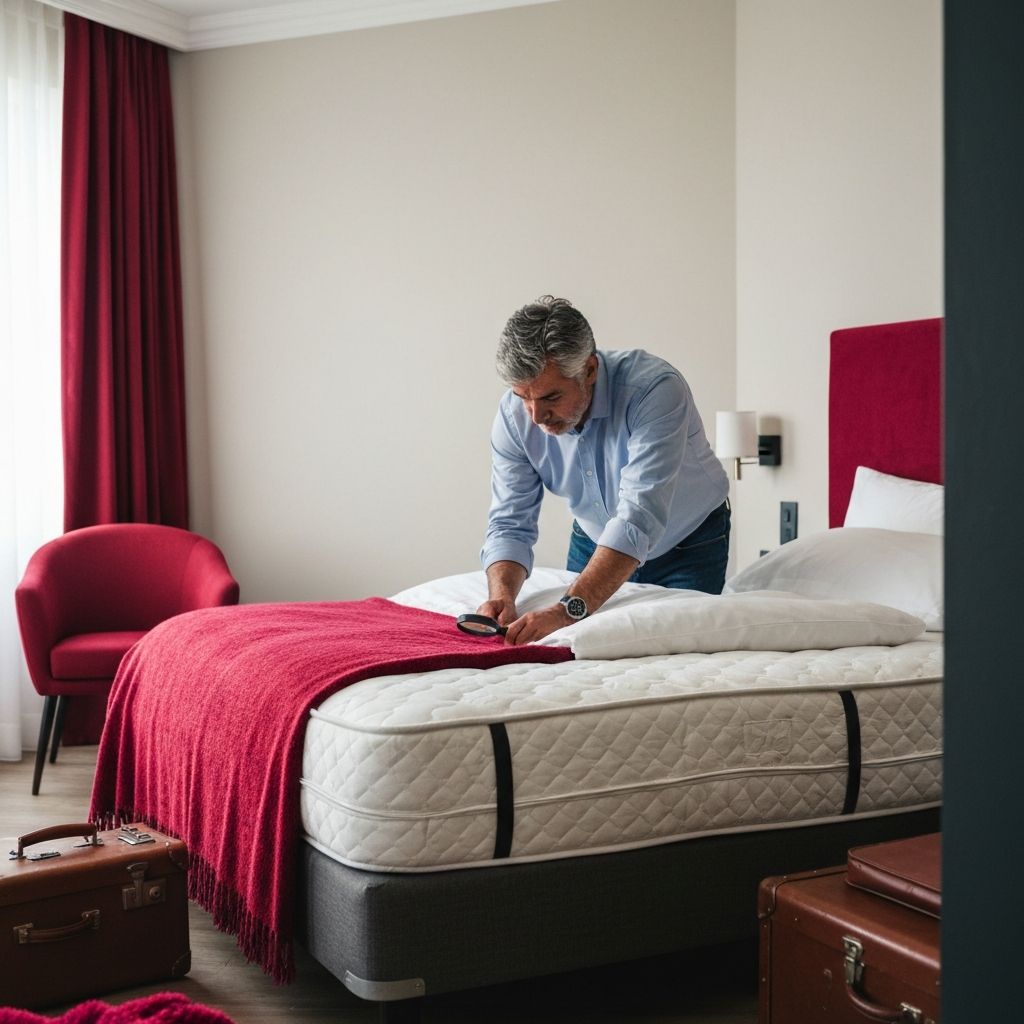
Why You Should Check for Bed Bugs
Bed bugs are small, parasitic insects that feed on human blood, typically during the night while their hosts are sleeping. These pests have experienced a dramatic resurgence worldwide and can be found in hotels of every price range and star rating, from budget motels to luxury five-star resorts. A single encounter with bed bugs during your travels can lead to itchy, uncomfortable bites, allergic reactions, and the risk of carrying these unwelcome hitchhikers back to your own home.
Taking a few minutes to inspect your hotel room upon arrival can save you from a great deal of trouble. Bed bugs are expert hiders and can fit into cracks and crevices as thin as a credit card, making them difficult to spot without a thorough inspection. By knowing where to look and what to look for, you can significantly reduce your chances of encountering these pests during your stay.
What Bed Bugs Look Like
Before you can effectively check for bed bugs, it is important to know what you are looking for. Adult bed bugs are about the size of an apple seed, approximately 5 to 7 millimeters long. They are flat, oval-shaped, and reddish-brown in color. After feeding, they become more elongated and darker in color, sometimes appearing almost black.
Bed bug nymphs, or juveniles, are smaller and lighter in color, ranging from nearly transparent to pale yellow. They can be much harder to see than adults, especially on light-colored bedding or mattresses. Bed bug eggs are tiny, about 1 millimeter in length, white, and often found in clusters. They are attached to surfaces with a sticky substance and can be found in the same hiding spots as adult bugs.
In addition to the bugs themselves, there are several signs of bed bug activity to watch for. These include small dark spots on mattresses, sheets, or furniture, which are bed bug fecal matter. You may also find tiny blood spots on sheets from crushed bugs, shed exoskeletons from molting nymphs, and a distinctive sweet, musty odor that is often described as smelling like overripe raspberries or coriander.
Step-by-Step Hotel Room Inspection
When you first arrive at your hotel room, do not place your luggage on the bed or the floor. Instead, place your bags on the luggage rack after inspecting it, or leave them in the bathroom, where bed bugs are least likely to be found. Bring a small flashlight with you to help with the inspection, as bed bugs often hide in dark crevices.
Start your inspection with the bed, which is the most common location for bed bugs. Pull back the sheets, blankets, and comforter, and examine the mattress surface carefully. Pay close attention to the seams, piping, and any labels or tags on the mattress. These are the areas where bed bugs most commonly hide. Look for live bugs, dark spots, blood stains, or shed skins.
Next, lift the mattress and check the box spring underneath. The box spring is one of the favorite hiding spots for bed bugs because it has many crevices and is rarely disturbed. Examine the fabric on the underside of the box spring, paying attention to the corners and any areas where the fabric is torn or loose. If the bed has a bed frame, check along the frame, especially at joints and screw holes.
Inspect the headboard, which is another common hiding spot. If the headboard is attached to the wall, try to pull it away slightly and check behind it with your flashlight. Many bed bug infestations are concentrated behind headboards because they provide easy access to sleeping humans while remaining hidden during the day.
Checking Furniture and Surrounding Areas
After inspecting the bed, move on to the nightstands and other furniture near the bed. Pull out drawers and inspect the inside, paying attention to the corners, joints, and the undersides of drawers. Check behind and underneath the nightstands, and look along any baseboards or wall molding near the bed.
Upholstered furniture, such as chairs, sofas, and cushioned headboards, should also be inspected. Lift cushions and check in the seams, crevices, and underneath the furniture. Bed bugs can hide in virtually any soft surface, so do not overlook these areas.
Check the closet area, including any luggage racks, hangers, and shelving. While bed bugs are less commonly found in closets, they can spread to these areas in heavily infested rooms. Inspect the curtains and curtain rods, as well as any picture frames or wall decorations near the bed.
What to Do If You Find Bed Bugs
If you discover bed bugs or signs of bed bug activity during your inspection, do not panic but act quickly. Immediately notify the hotel management and request a different room, preferably one that is not adjacent to or directly above or below the infested room, as bed bugs can travel between rooms through walls, electrical outlets, and plumbing.
Do not move your luggage through the infested room. If your bags have already been placed in the room, inspect them carefully before moving them to the new room. Consider placing your belongings in large plastic bags to prevent any bugs from hitching a ride.
If you have already stayed in a room that you later discover has bed bugs, take precautions when you return home. Wash all clothing and fabrics from your trip in hot water and dry them on the highest heat setting for at least 30 minutes. Inspect your luggage carefully and consider vacuuming it inside and out before storing it. Monitor your home for signs of bed bugs in the weeks following your return.
Prevention Tips for Future Travel
In addition to inspecting your hotel room upon arrival, there are several steps you can take to reduce the risk of encountering bed bugs during your travels. Consider using hard-sided luggage, which provides fewer hiding spots for bed bugs compared to soft-sided bags. Pack your clothing in resealable plastic bags to provide an additional barrier against bugs.
When traveling, keep your luggage elevated and away from beds and upholstered furniture whenever possible. Use the luggage rack in your hotel room, or keep your bags in the bathroom. Avoid placing clothing, bags, or personal items on hotel beds or floors.
Upon returning home from a trip, unpack your luggage outside or in a garage rather than in your bedroom. Wash and dry all clothing on high heat before putting it away. Inspect and vacuum your luggage thoroughly before storing it.
By following these inspection and prevention tips, you can enjoy your travels with greater peace of mind and significantly reduce the risk of bringing bed bugs home with you.
