
Average Towing Costs You Should Expect
Getting stranded on the side of the road is stressful enough without worrying about the cost of a tow. Understanding typical towing rates can help you prepare financially and make informed decisions when you need roadside assistance. The cost to tow a car varies widely depending on several factors, but most drivers can expect to pay between $75 and $125 for a basic local tow of up to 5 miles, with additional per-mile charges ranging from $2 to $7 for longer distances.
For a standard tow of 10 to 20 miles, the total cost typically falls between $100 and $250. Long-distance tows of 50 miles or more can cost $200 to $600 or even higher, depending on the circumstances. These are national averages, and actual prices in your area may be higher or lower based on local market conditions and competition among towing companies.
How Towing Companies Calculate Their Rates
Towing companies use several different pricing models to calculate their charges. Understanding these models will help you compare quotes and negotiate when possible.
Flat Rate: Some towing companies charge a flat fee for tows within a certain radius, typically 5 to 10 miles. This is the simplest pricing model and makes it easy to know exactly what you will pay upfront. Flat rates for local tows usually range from $75 to $150.
Base Fee Plus Per-Mile Charge: This is the most common pricing structure. The towing company charges a base fee, often called a hook-up fee, which covers the first few miles. Beyond that, they charge a per-mile rate. Base fees typically range from $35 to $100, with per-mile charges of $2 to $7. For example, a company might charge $75 for the hook-up plus $3 per mile beyond the first 5 miles.
Hourly Rate: In some situations, particularly for difficult extractions or off-road recoveries, towing companies may charge by the hour. Hourly rates can range from $50 to $200 or more, depending on the equipment and expertise required.
Factors That Influence Towing Costs
Several key factors can significantly impact how much you pay for a tow. Being aware of these variables can help you anticipate costs and potentially reduce your expenses.
Distance: The distance of the tow is the single biggest factor affecting the price. Short local tows of 5 miles or less are relatively inexpensive, while tows of 50 to 100 miles can cost several hundred dollars. If you need a long-distance tow, consider whether driving the car to a closer mechanic might be an option, or whether the repair can be done at a nearby shop.
Vehicle Type and Size: Larger and heavier vehicles cost more to tow. A standard sedan or compact car is the least expensive to tow, while SUVs, trucks, and vans cost more due to their increased weight. Towing a motorcycle is typically less expensive than a car. Specialty vehicles like RVs, buses, or heavy-duty trucks require flatbed tow trucks and specialized equipment, and costs can range from $200 to $1,000 or more.
Time of Day: Towing rates are often higher during nights, weekends, and holidays. After-hours towing can cost 25 to 50 percent more than daytime rates. If your situation is not urgent and you can safely wait, scheduling a tow during regular business hours can save you money.
Road Conditions and Location: If your car is in a ditch, stuck in mud, or in a difficult-to-access location, expect to pay extra for the recovery. Winching fees typically add $50 to $250 to the total cost. Similarly, tows from highways or bridges may carry additional fees due to the added risk and traffic management required.
Types of Tow Trucks and Their Costs
The type of tow truck used can also affect the price. Different situations require different equipment, and understanding the options can help you determine what you need.
Dolly Tow: This is the most basic and affordable option, where only the front or rear wheels of your car are lifted while the other set rolls on the ground. This method works well for short distances and two-wheel-drive vehicles. Costs are typically on the lower end of the range.
Hook and Chain Tow: This traditional method uses chains to lift one end of the vehicle. It is becoming less common due to the potential for vehicle damage but is still used for junk car removals. Pricing is similar to dolly towing.
Wheel-Lift Tow: This method uses a metal yoke that fits under the front or rear wheels to lift the vehicle. It is gentler than hook and chain towing and is the standard method for most roadside assistance tows. Costs fall in the mid-range.
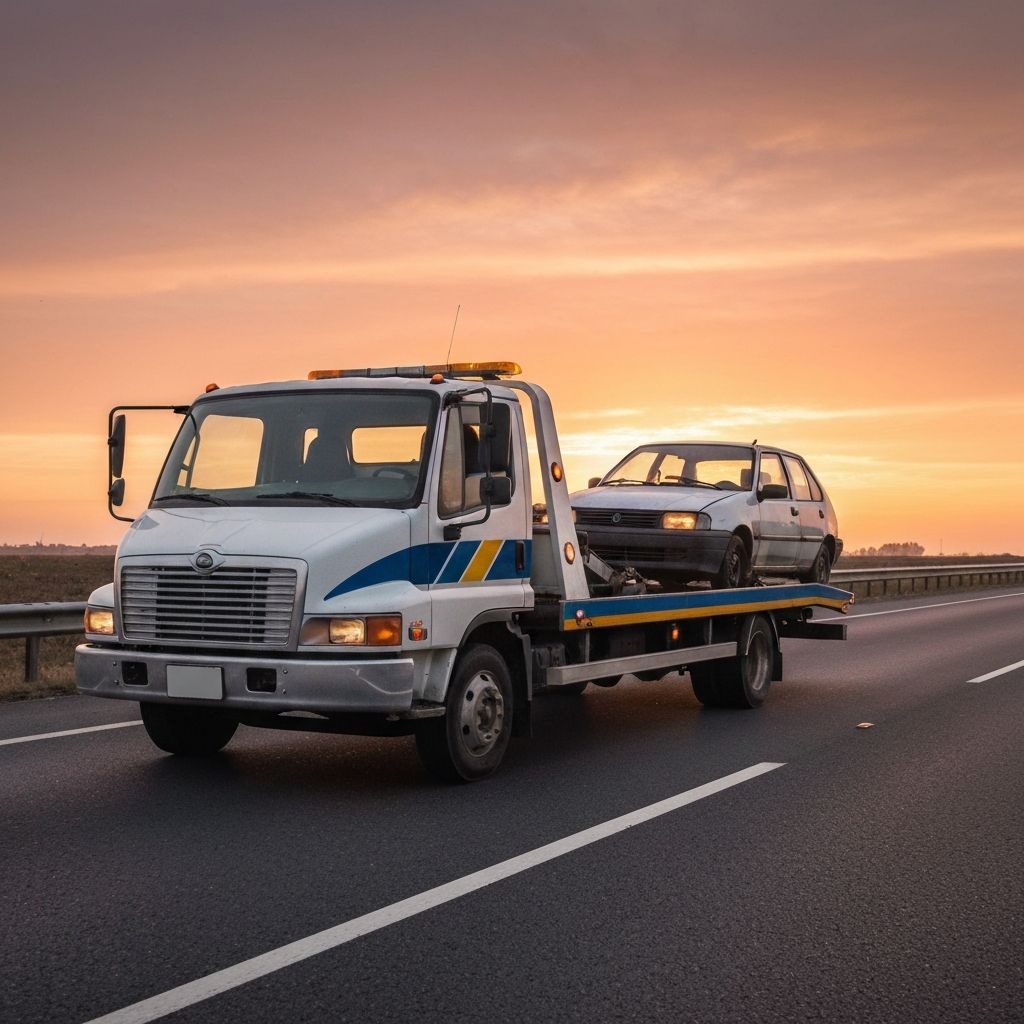
Flatbed Tow: A flatbed truck carries your entire vehicle on its platform, keeping all four wheels off the ground. This is the safest method and is required for all-wheel-drive vehicles, luxury cars, and long-distance tows. Flatbed towing typically costs 20 to 50 percent more than wheel-lift towing.
How to Save Money on Towing
There are several strategies to reduce towing costs and avoid paying more than necessary.
Roadside Assistance Membership: Organizations like AAA, Good Sam, and many auto insurance companies offer roadside assistance programs that include free or discounted towing. AAA membership costs $50 to $120 per year and typically includes free towing for up to 5 to 200 miles, depending on your membership tier. If you drive an older or less reliable vehicle, a roadside assistance membership can pay for itself after a single tow.
Auto Insurance Coverage: Many auto insurance policies include optional roadside assistance and towing coverage for an additional $2 to $5 per month. Check your policy to see if you already have this coverage before paying out of pocket for a tow.
Credit Card Benefits: Some premium credit cards include roadside assistance as a cardholder benefit. Check with your credit card company to see if towing is covered.
Get Multiple Quotes: If time permits, call several towing companies to compare prices before committing. Prices can vary significantly between companies in the same area, and some may offer discounts for cash payment.
What to Do When You Need a Tow
When you find yourself needing a tow, follow these steps to ensure a safe and cost-effective experience. First, move your vehicle to a safe location if possible, such as the shoulder of the road or a parking lot. Turn on your hazard lights and set out reflective triangles or flares if available. Call your roadside assistance provider or insurance company first, as they may have preferred towing partners with pre-negotiated rates. If you need to call a towing company directly, ask for a detailed quote including the hook-up fee, per-mile rate, and any additional charges before agreeing to the tow. Document the condition of your vehicle before the tow with photos, and get a receipt for all charges.
Understanding towing costs and your options can turn a stressful breakdown into a manageable situation. By planning ahead with roadside assistance coverage and knowing what to expect, you can save both money and peace of mind when you need a tow.
