
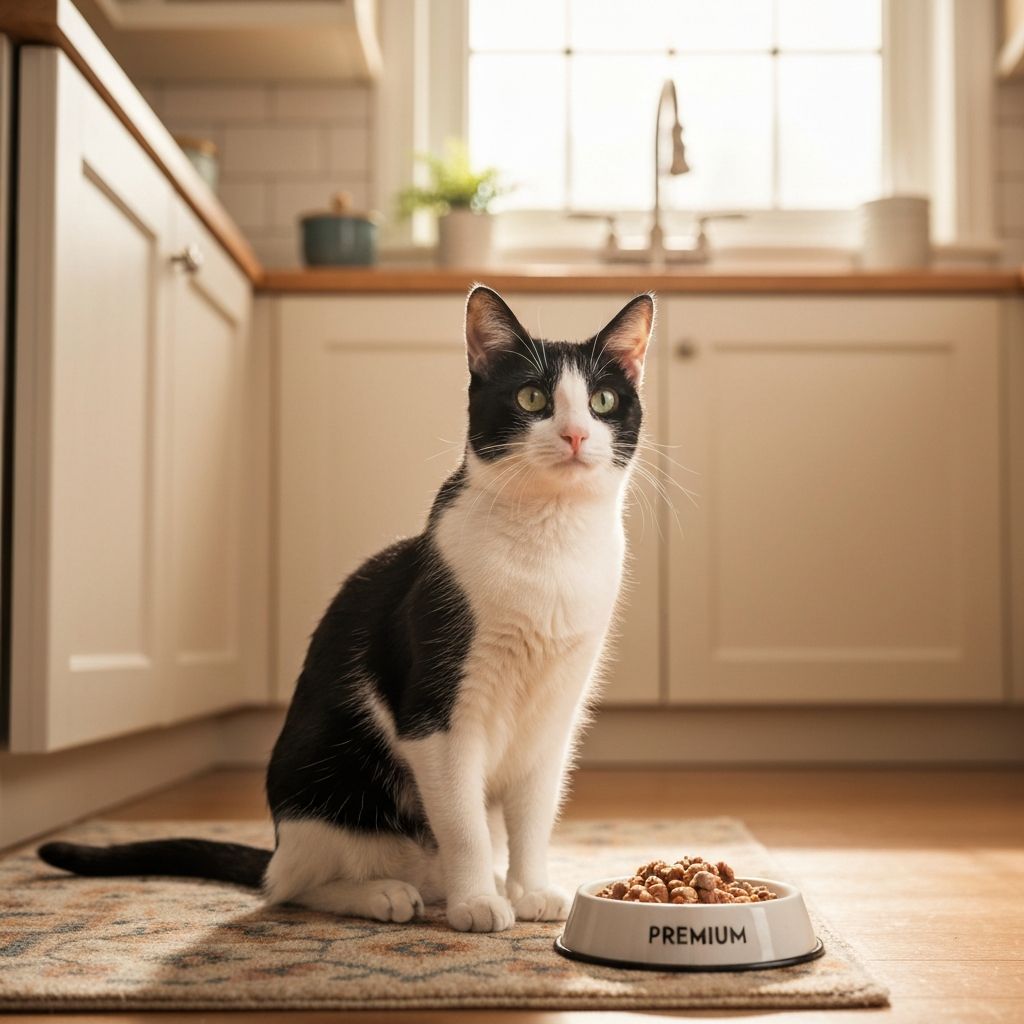
Understanding Your Cat's Wet Food Needs
Feeding your cat the right amount of wet food is crucial for maintaining their health, energy levels, and overall well-being. Unlike dry kibble, wet food provides essential hydration and is often more palatable for cats, making it a popular choice among pet owners. However, determining the correct portion size can be confusing, as it depends on several factors including your cat's weight, age, activity level, and overall health status.
As a general guideline, most adult cats require approximately 20 to 30 calories per pound of body weight per day. Since most standard 3-ounce cans of wet cat food contain between 70 and 100 calories, an average 10-pound cat typically needs about two to three cans of wet food per day if wet food is their sole diet. However, this is just a starting point, and individual needs can vary significantly.
Factors That Determine How Much to Feed
Several important factors influence how much wet food your cat should eat each day. Understanding these variables will help you tailor your cat's diet to their specific needs.
Body Weight: Your cat's current weight is the primary factor in determining food portions. A 5-pound cat needs significantly less food than a 15-pound cat. Most veterinarians recommend calculating caloric needs based on your cat's ideal body weight rather than their current weight, especially if your cat is overweight or underweight.
Age: Kittens have higher caloric needs relative to their body weight because they are growing rapidly. A kitten may need up to twice as many calories per pound as an adult cat. Senior cats, on the other hand, often have slower metabolisms and may need fewer calories to maintain a healthy weight.
Activity Level: Indoor cats that spend most of their time lounging typically need fewer calories than outdoor or highly active indoor cats. If your cat plays vigorously for several hours a day, they will burn more calories and need more food to maintain their weight.
Health Conditions: Certain medical conditions can affect your cat's dietary needs. Cats with diabetes, kidney disease, hyperthyroidism, or digestive issues may require specialized diets and adjusted portion sizes. Always consult your veterinarian if your cat has a health condition that may affect their nutrition.
Wet Food Feeding Guide by Weight
Here is a practical feeding guide for adult cats eating wet food as their primary diet. These amounts are based on average-calorie wet food containing approximately 80 calories per 3-ounce can.
For a 5-pound cat, feed approximately 4 to 5 ounces of wet food per day, split into two meals. This translates to roughly one and a half standard 3-ounce cans. For an 8-pound cat, plan on feeding about 6 to 8 ounces daily, or approximately two to two and a half cans. A 10-pound cat typically needs 7 to 9 ounces per day, which is about two and a half to three cans. Larger cats weighing 12 to 15 pounds may need 9 to 12 ounces daily, or three to four cans, depending on their activity level and metabolism.
Remember, these are general guidelines. Always check the feeding recommendations on the specific brand of wet food you purchase, as caloric content can vary significantly between brands and formulas.
How Often Should You Feed Wet Food
The frequency of feeding is just as important as the amount. Most veterinarians recommend dividing your cat's daily food allotment into two to three meals spaced throughout the day.
Two Meals a Day: This is the most common feeding schedule for adult cats. Divide the daily portion into a morning meal and an evening meal, roughly 12 hours apart. This mimics a natural feeding pattern and helps prevent overeating.
Three Meals a Day: Some cats do better with three smaller meals, particularly kittens, senior cats, or cats with digestive sensitivities. Spacing meals evenly throughout the day can help maintain stable blood sugar levels and prevent hunger-related behavioral issues.
Free Feeding: While free feeding works with dry food, it is not recommended for wet food because wet food can spoil quickly when left out at room temperature. Wet food should be consumed within 30 minutes to 1 hour of being served, and any uneaten portion should be refrigerated or discarded.
Mixing Wet and Dry Food
Many cat owners choose to feed a combination of wet and dry food, which can provide the benefits of both. Wet food offers hydration and palatability, while dry food can be more convenient and help with dental health.
If you are feeding a mix, you will need to adjust the portions of each to ensure your cat is not overeating. A common approach is to provide one can of wet food per day alongside a measured portion of dry food. For example, if your cat needs 250 calories per day and you feed one 80-calorie can of wet food, you would provide about 170 calories worth of dry food, which is typically around one-third to one-half cup depending on the brand.
When transitioning between wet and dry food or introducing a new brand, do so gradually over 7 to 10 days to avoid digestive upset. Start by mixing a small amount of the new food with the old food and gradually increase the proportion.
Signs You Are Feeding Too Much or Too Little
Monitoring your cat's body condition is the best way to determine if you are feeding the right amount. Here are some signs to watch for.
Overfeeding Signs: Weight gain, visible belly pouch, difficulty grooming, lethargy, and reluctance to play or exercise. An overweight cat may have a rounded appearance when viewed from above, and you may not be able to feel their ribs easily.
Underfeeding Signs: Visible ribs, spine, or hip bones, loss of muscle mass, dull coat, increased begging for food, and lethargy. An underfed cat will appear thin and may become more vocal around feeding times.
Ideally, you should be able to feel your cat's ribs without pressing hard, and they should have a visible waist when viewed from above. Your veterinarian can help you assess your cat's body condition score and recommend dietary adjustments.
Tips for Feeding Wet Food
To get the most out of wet food feeding, keep these practical tips in mind. Store opened cans of wet food in the refrigerator and use them within 48 to 72 hours. Bring refrigerated food to room temperature before serving, as most cats prefer food that is not cold. Use shallow, wide dishes rather than deep bowls, as many cats experience whisker fatigue from narrow bowls. Clean food dishes daily to prevent bacterial growth. And finally, always provide fresh water alongside wet food, even though wet food contains significant moisture.
By paying attention to your cat's individual needs and adjusting portions accordingly, you can ensure your feline companion stays healthy, happy, and well-nourished throughout their life.
