
How Much Paint Does It Take to Paint a Car
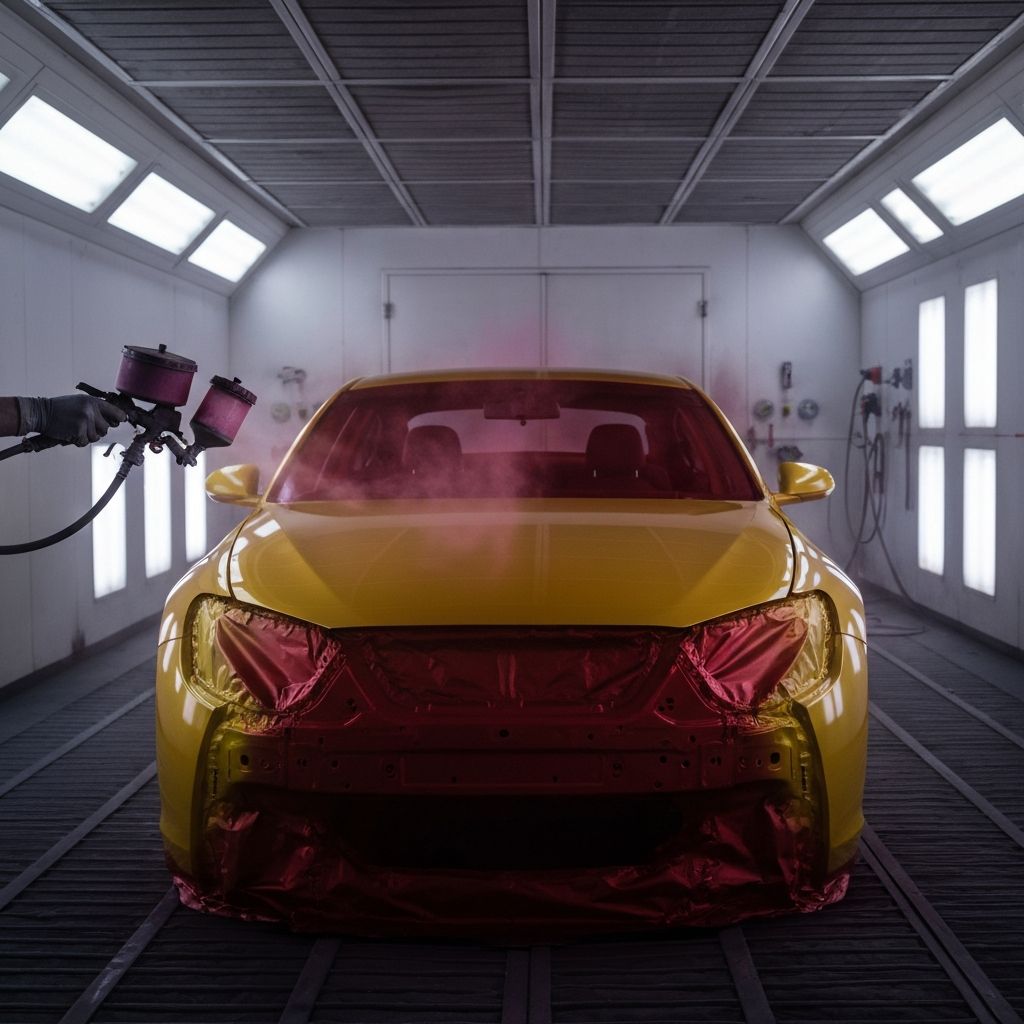
Painting a car is a major undertaking that requires careful planning, the right materials, and a thorough understanding of the process. Whether you are restoring a classic vehicle, refreshing a daily driver, or customizing a show car, one of the first questions you need to answer is how much paint you will need. The amount of paint required depends on the size of the vehicle, the type of paint system used, the number of coats applied, and the color being applied.
As a general rule, painting a medium-sized sedan requires approximately one to two gallons of base coat paint, one to two gallons of primer, and two to three gallons of clear coat. Larger vehicles like trucks, SUVs, and vans require more paint, typically 1.5 to 2.5 gallons of base coat and proportionally more primer and clear coat. These figures assume a complete repaint of the entire exterior, including doors, fenders, hood, trunk, and roof.
Understanding Automotive Paint Systems
Modern automotive paint systems consist of several layers, each serving a specific purpose in protecting the vehicle's body and creating a beautiful finish. Understanding these layers is essential for estimating how much paint you will need.
The first layer is the primer, which serves as the foundation for the paint job. Primer provides adhesion for the paint, fills in minor surface imperfections, and protects the bare metal from corrosion. For a complete car repaint, you will typically need one to two gallons of primer, depending on the size of the vehicle and the condition of the existing surface. If you are painting over bare metal or a heavily damaged surface, you may need additional primer to build up sufficient coverage.
The base coat is the layer that provides the actual color of the car. Base coat paints are available in a wide range of colors and finishes, including solid, metallic, and pearl. For a medium-sized car, plan on using one to two gallons of mixed base coat paint for full coverage with two to three coats. Darker colors and metallics may require additional paint to achieve uniform coverage.
The clear coat is the final layer and provides the glossy, protective finish that gives a car its shine. Clear coat protects the base coat from UV rays, scratches, and environmental damage. For a complete paint job, you will need approximately two to three gallons of clear coat to apply two to three coats over the entire vehicle.
Paint Requirements by Vehicle Size
The size of the vehicle is the primary factor in determining how much paint you will need. Here is a breakdown of typical paint requirements by vehicle size category.
Compact cars and small sedans, such as a Honda Civic or Toyota Corolla, have the smallest surface area and require the least paint. Plan on approximately one gallon of base coat, one gallon of primer, and 1.5 to two gallons of clear coat for a complete repaint.
Mid-size sedans and coupes, such as a Toyota Camry or BMW 3 Series, require slightly more paint due to their larger body panels. Budget for 1.5 gallons of base coat, 1.5 gallons of primer, and two to 2.5 gallons of clear coat.
Full-size sedans and sports cars, such as a Chevrolet Impala or Ford Mustang, need approximately two gallons of base coat, two gallons of primer, and 2.5 to three gallons of clear coat.
Trucks, SUVs, and vans have the largest surface area and require the most paint. A full-size pickup truck like a Ford F-150 may need 2 to 2.5 gallons of base coat, two gallons of primer, and three to four gallons of clear coat. Large SUVs and full-size vans may require even more, with some painters recommending up to three gallons of base coat and four to five gallons of clear coat for these vehicles.
Types of Automotive Paint
There are several types of automotive paint available, each with different properties, application methods, and costs. The type of paint you choose will affect both the amount needed and the final appearance of the paint job.
Acrylic lacquer was once the standard for automotive painting but has largely been replaced by more durable and environmentally friendly options. Lacquer paint is easy to apply and produces a high-gloss finish, but it is not as durable as modern alternatives and requires frequent waxing to maintain its appearance. Lacquer paints are still used by some classic car enthusiasts but are increasingly difficult to find due to environmental regulations.
Acrylic enamel is a step up from lacquer in terms of durability. It produces a hard, glossy finish that is resistant to chipping and fading. Acrylic enamel can be applied as a single-stage paint, which means the color and gloss are combined in one product, eliminating the need for a separate clear coat. Single-stage enamel requires approximately 1.5 to 2.5 gallons for a complete car repaint.
Acrylic urethane is one of the most popular choices for modern automotive painting. It offers excellent durability, chemical resistance, and color retention. Urethane paints are available in both single-stage and base coat/clear coat formulations. The base coat/clear coat system is preferred by most professional painters because it provides a deeper, more lustrous finish and better long-term protection.
Water-based automotive paints have become increasingly common in professional body shops, driven by environmental regulations that limit the use of solvent-based products. Water-based paints produce fewer volatile organic compounds and are available in a wide range of colors. They typically require a slightly thicker application than solvent-based paints, which may increase the total amount of paint needed by 10 to 15 percent.
Factors That Affect Paint Quantity
Several factors beyond vehicle size can influence how much paint you need for a complete repaint. Being aware of these variables can help you purchase the right amount of paint and avoid running short mid-project.
The color change factor is significant. If you are painting the car a similar color to its current finish, you may be able to achieve full coverage with fewer coats. However, if you are making a dramatic color change, such as going from black to white or from red to silver, you will need additional coats of base coat to completely hide the previous color. In some cases, a tinted primer that is close to the final color can reduce the number of base coat layers needed.
The condition of the surface affects primer requirements. A car with good existing paint that has been properly sanded may require only a light coat of sealer or primer. A car with bare metal panels, heavy body filler, or multiple layers of old paint will require more primer to create a smooth, uniform surface for the base coat.
Spray gun efficiency plays a role as well. Professional HVLP spray guns transfer approximately 65 to 75 percent of the paint from the gun to the surface, with the rest lost to overspray. Less efficient conventional spray guns may only achieve 30 to 50 percent transfer efficiency, meaning more paint is needed to achieve the same coverage. If you are using an entry-level spray gun for a DIY project, plan on purchasing 15 to 25 percent more paint than the minimum estimates.
Professional vs. DIY Car Painting
The decision to paint your car professionally or do it yourself affects both the cost and the amount of paint needed. Professional painters have the equipment, experience, and controlled environment to apply paint more efficiently, while DIY painters often need more paint to compensate for learning curves and less optimal conditions.
Professional paint jobs at body shops typically cost between $1,000 and $5,000 for a basic respray and can run $5,000 to $20,000 or more for a high-quality custom job. The cost includes paint, materials, labor, and the use of a professional spray booth with controlled temperature and humidity.
A DIY paint job can cost as little as $200 to $500 for materials, but the quality is highly dependent on your skill level, equipment, and workspace. DIY painters should invest in a quality HVLP spray gun, an air compressor with sufficient capacity, and a clean, dust-free workspace. Proper masking and surface preparation are essential for achieving a smooth, professional-looking finish.
Tips for Estimating and Purchasing Paint
Accurate paint estimation is crucial for avoiding both waste and the frustration of running out of paint mid-project. Here are some tips for getting your paint quantities right.
Always buy slightly more paint than you think you need. Running out of paint during application can create visible differences in color and finish, especially with metallic and pearl colors that are sensitive to coat thickness. A good rule of thumb is to purchase 10 to 15 percent more paint than your calculated estimate.
Mix all of your base coat paint together before spraying to ensure color consistency across the entire vehicle. Slight variations between different batches of paint can create noticeable color differences when applied side by side.
Keep track of how much paint you use on each panel so you can refine your estimates for future projects. This information is also valuable if you need to touch up or repaint a specific panel in the future.
Conclusion
The amount of paint needed to paint a car ranges from approximately three to four gallons of total product for a compact car to seven or more gallons for a large truck or SUV. This includes primer, base coat, and clear coat. The exact quantity depends on the size of the vehicle, the type of paint system used, the color change involved, and the efficiency of the application equipment. Whether you are hiring a professional or taking on the project yourself, careful planning and accurate paint estimation will help ensure a beautiful, lasting finish that protects and enhances your vehicle for years to come.
