
The Complete Guide to School Bus Pricing
Whether you're a school district transportation director planning a fleet purchase, a church group looking for group transportation, or a creative individual interested in a bus conversion project, understanding how much a school bus costs is essential for making informed decisions. School bus prices vary dramatically based on type, size, fuel system, optional equipment, and whether you're buying new or used. This comprehensive guide will walk you through everything you need to know about school bus pricing in today's market.
A brand-new full-size school bus typically costs between $90,000 and $130,000, with the average price for a standard Type C diesel bus falling around $100,000 to $110,000. However, prices can range from as low as $50,000 for a small Type A bus to well over $400,000 for a fully equipped electric school bus. Used school buses are considerably cheaper, with prices starting as low as $3,000 to $5,000 for older models with high mileage and going up to $50,000 or more for recent models in excellent condition. Let's explore the pricing details for each category.
New School Bus Prices by Type
Type A school buses, the smallest category, are the most affordable new school buses on the market. A new Type A bus typically costs between $50,000 and $75,000, depending on the chassis brand, seating capacity, and optional equipment. These buses seat 10 to 30 passengers and are built on commercial van or cutaway chassis from manufacturers like Ford, GM, and Mercedes-Benz. The lower price point makes Type A buses an attractive option for small school districts, private schools, daycare centers, and organizations that need to transport small groups.
Type B school buses, which are mid-sized vehicles built on stripped chassis, typically cost between $70,000 and $95,000 new. These buses offer seating for 25 to 45 passengers and provide a good balance between capacity and cost. Type B buses are less common than Type A or Type C buses, and their pricing reflects the specialized manufacturing process required to build them.
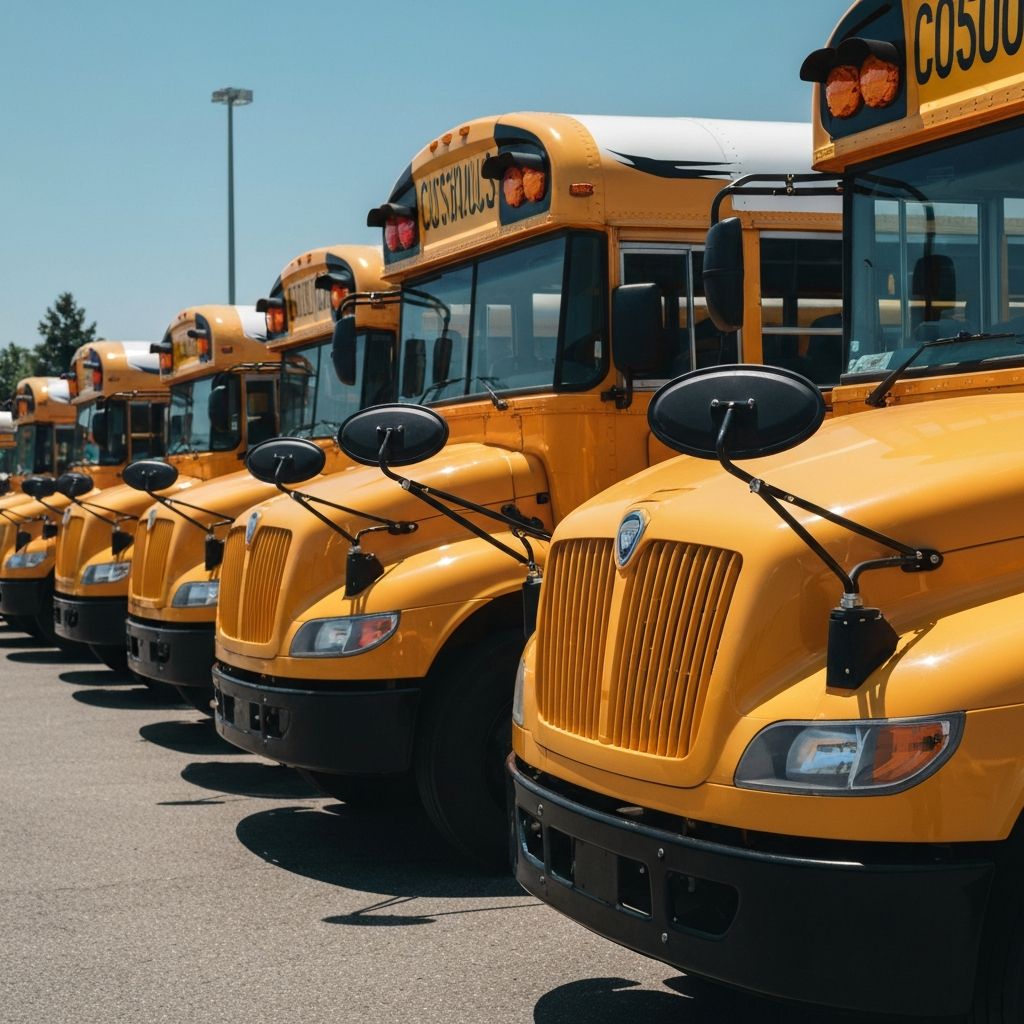
Type C school buses, the conventional yellow buses that are the backbone of American school transportation, range from $90,000 to $130,000 new. The base price for a standard diesel Type C bus with 72-passenger seating starts around $95,000, but the final price can increase significantly with optional equipment. Common options that add to the base price include air conditioning ($8,000 to $12,000), wheelchair lifts ($6,000 to $10,000), electronic stability control systems ($2,000 to $4,000), GPS tracking systems ($500 to $2,000), and camera surveillance systems ($2,000 to $5,000). A fully optioned Type C bus can easily exceed $130,000.
Type D school buses are the most expensive conventional fuel school buses, with prices ranging from $110,000 to $160,000 new. Their larger size, higher passenger capacity (up to 90 passengers), and transit-style construction justify the premium price. Type D buses are typically purchased by larger urban school districts that need maximum capacity for high-density routes. The additional cost is offset by the higher passenger-per-bus ratio, which can reduce the total number of buses needed for a district's fleet.
Alternative Fuel Bus Pricing
The school bus market has expanded beyond traditional diesel to include several alternative fuel options, each with different price points. Propane-powered (LPG) school buses are one of the most popular alternative fuel choices and typically cost $5,000 to $15,000 more than their diesel counterparts. A new propane Type C bus usually falls in the $100,000 to $125,000 range. Propane buses offer lower fuel costs and reduced emissions compared to diesel, and many districts find that the fuel savings over the life of the bus offset the higher purchase price.
Compressed Natural Gas (CNG) school buses are another alternative, with prices running $15,000 to $30,000 more than diesel buses. A new CNG Type C bus typically costs between $115,000 and $145,000. The higher upfront cost is due to the specialized fuel storage tanks and modified engine systems. CNG buses offer even lower fuel costs than propane but require access to CNG fueling infrastructure, which can be a significant additional investment for districts that don't already have it.
Electric school buses represent the newest and most expensive option in the market. A new electric Type C school bus currently costs between $300,000 and $440,000, roughly three to four times the price of a comparable diesel bus. However, the total cost of ownership can be more competitive when you factor in lower fuel costs (electricity vs. diesel), dramatically reduced maintenance costs (fewer moving parts), and available federal and state incentives. The EPA's Clean School Bus Program and other federal initiatives have made billions of dollars available in grants and rebates to help school districts offset the cost of electric buses, making them increasingly accessible.
Used School Bus Pricing
The used school bus market offers significantly more affordable options for buyers who don't need the latest models. Used school bus prices are influenced by age, mileage, condition, seating capacity, and the overall supply and demand in the market. Understanding these factors can help you find the best value for your budget.
Older buses with 15 or more years of service and 150,000 or more miles can be found for $3,000 to $8,000. These buses may require significant mechanical work and may not meet current emissions standards, but they can be excellent candidates for conversion projects like mobile homes, food trucks, or recreational vehicles. Many of these buses still have plenty of mechanical life left in them, as school buses are built for durability and are typically well-maintained by school districts.
Mid-age buses with 8 to 15 years of service and 80,000 to 150,000 miles typically cost between $8,000 and $20,000. These buses often have significant useful life remaining, as school buses are designed to last 12 to 15 years or 250,000 miles in regular service. Buses in this age range may be available as school districts rotate their fleets and sell off older vehicles to make room for new purchases.
Recent model used buses with less than 8 years of service and under 80,000 miles command prices of $20,000 to $50,000 or more. These buses are often in excellent condition and may still be under warranty for certain components. They're an attractive option for organizations that need reliable group transportation without the cost of a new bus. Some dealerships specialize in refurbished school buses that have been thoroughly inspected, repaired, and repainted to like-new condition.
Total Cost of Ownership
The purchase price of a school bus is just the beginning of the total cost of ownership. Operating costs, maintenance, insurance, and eventual replacement all factor into the true cost of putting a school bus on the road. Understanding these ongoing costs is essential for school districts and other organizations that rely on school buses for transportation.
Fuel costs are the largest ongoing expense for school bus operations. A standard diesel school bus consumes approximately 12 to 15 gallons of fuel per 100 miles, translating to about $5,000 to $8,000 in annual fuel costs per bus based on average mileage and current diesel prices. Propane and CNG buses typically have lower fuel costs per mile, while electric buses can reduce fuel costs by 60% to 80% compared to diesel, though they require investment in charging infrastructure.
Maintenance costs for school buses average between $5,000 and $12,000 per year for diesel buses, covering routine services like oil changes, brake replacements, tire rotations, and annual inspections. Older buses generally have higher maintenance costs as components wear and require more frequent replacement. Electric school buses have significantly lower maintenance costs, estimated at 40% to 60% less than diesel buses, due to fewer moving parts and regenerative braking systems that reduce wear on traditional brake components.
Insurance costs for school buses vary by state, coverage levels, and the operator's safety record. School districts typically pay between $2,000 and $5,000 per bus per year for liability and comprehensive insurance coverage. Private operators may pay more, particularly if they have limited operating history or a less favorable safety record.
Financing and Procurement Options
School districts have several options for financing school bus purchases. Many districts use capital budget allocations funded by local property taxes to purchase buses outright. Others use lease-purchase agreements that spread the cost over 5 to 10 years, making new bus acquisitions more manageable for districts with limited capital budgets. Some states offer low-interest loan programs specifically for school bus purchases, and federal grants are increasingly available for alternative fuel and electric bus acquisitions.
Cooperative purchasing programs allow multiple school districts to combine their buying power and negotiate better prices from manufacturers and dealers. State-level cooperative contracts, such as those administered by the National Association of State Directors of Pupil Transportation Services, can save districts 5% to 15% compared to individual purchases. These programs also simplify the procurement process by providing pre-negotiated contracts that comply with competitive bidding requirements.
In conclusion, the cost of a school bus ranges from a few thousand dollars for an older used model to over $400,000 for a new electric bus. The most common purchase, a new Type C diesel school bus, costs approximately $100,000 to $110,000 with standard equipment. When planning a school bus purchase, consider not just the upfront price but the total cost of ownership over the bus's expected service life, which typically spans 12 to 15 years and 250,000 miles. With careful planning and awareness of available financing options and incentives, organizations can find the right bus at the right price for their transportation needs.
