
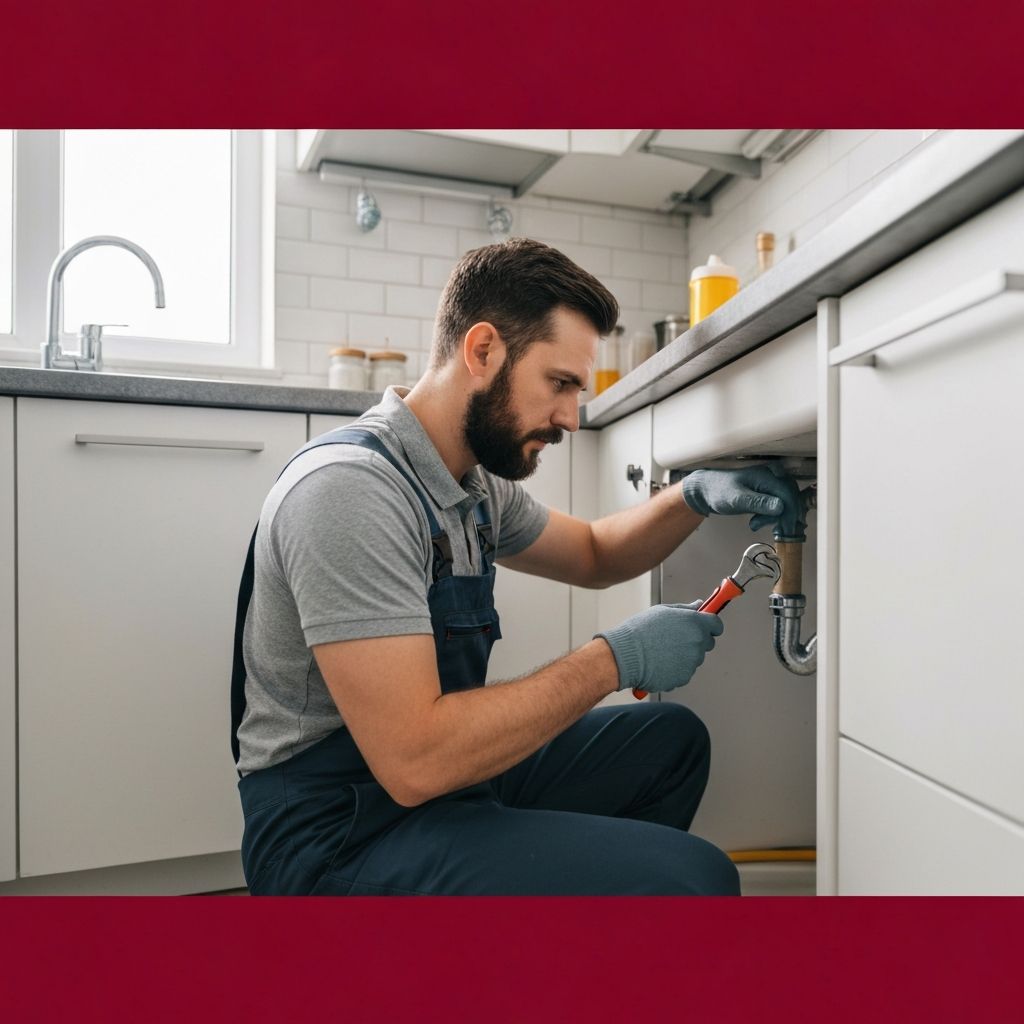
How Much Does a Plumber Cost?
Whether you are dealing with a leaky faucet, a clogged drain, or a major pipe repair, hiring a plumber is often necessary. Understanding how much a plumber costs can help you budget for the expense and avoid being caught off guard by the bill. On average, a plumber charges between $45 and $200 per hour, with the national average being approximately $100 per hour. However, rates vary significantly depending on your location, the complexity of the job, and the plumber's experience and qualifications.
In addition to hourly rates, many plumbers charge a service call fee, also known as a trip charge, which typically ranges from $50 to $150. This fee covers the plumber's travel time to your location and is charged regardless of whether any work is performed. Some plumbers waive the service call fee if you proceed with the repair, so it is worth asking about this policy when scheduling an appointment.
Average Costs for Common Plumbing Services
Understanding the typical costs for common plumbing services can help you evaluate quotes and determine whether the price you are being charged is fair. Fixing a leaky faucet is one of the most common plumbing jobs and typically costs between $100 and $350, depending on the type of faucet and the nature of the leak.
Unclogging a drain usually costs between $100 and $300. Simple clogs that can be resolved with a plunger or drain snake are on the lower end, while stubborn clogs that require hydro-jetting or camera inspection are more expensive. Toilet repairs, including fixing a running toilet or replacing internal components, typically cost $100 to $400.
Water heater repairs range from $150 to $700, depending on the type of heater and the nature of the problem. Water heater replacement, including a new unit and installation, costs between $800 and $3,500 for a standard tank water heater and $1,500 to $5,000 or more for a tankless water heater.
Pipe repairs vary widely in cost depending on the location and extent of the damage. A simple pipe patch or joint repair might cost $150 to $500, while replacing a section of pipe can cost $500 to $2,000 or more. Whole-house repiping is a major project that typically costs $4,000 to $15,000 depending on the size of the home and the type of piping material used.
Sewer line repair or replacement is one of the most expensive plumbing services, with costs ranging from $1,000 to $7,500 for a repair and $3,000 to $25,000 for a full replacement. These costs vary depending on the depth and accessibility of the sewer line, the method used (trenchless vs. traditional), and local labor and material costs.
Factors That Affect Plumber Rates
Geographic location is one of the biggest factors affecting plumber rates. Plumbers in major metropolitan areas and regions with high costs of living typically charge more than those in smaller cities and rural areas. For example, a plumber in New York City or San Francisco may charge $150 to $250 per hour, while a plumber in a small Midwestern town might charge $50 to $100 per hour.
The plumber's experience and qualifications also affect pricing. A master plumber with decades of experience and advanced certifications will generally charge more than a journeyman plumber or an apprentice. However, more experienced plumbers often work more efficiently, which can offset the higher hourly rate by reducing the total time required for the job.
The complexity and urgency of the job play a significant role in pricing. Routine maintenance and simple repairs are less expensive than complex installations or emergency calls. Emergency plumbing services, which include calls outside of regular business hours, weekends, and holidays, typically carry a premium of 50 to 100 percent above standard rates.
The materials and parts required for the job add to the total cost. Plumbers typically mark up the cost of materials by 10 to 30 percent above their wholesale cost. For major projects that require significant materials, such as repiping or water heater installation, the materials cost can be a substantial portion of the total bill.
Flat Rate vs. Hourly Pricing
Plumbers use two main pricing models: hourly rates and flat-rate pricing. Hourly pricing charges you for the actual time the plumber spends on the job, plus materials. This model is transparent but can lead to uncertainty about the final cost, especially for complex jobs that take longer than expected.
Flat-rate pricing provides a fixed price for a specific job or service, regardless of how long it takes. This model offers predictability and peace of mind, as you know the total cost upfront. However, flat-rate prices may be higher than hourly rates for simple jobs that are completed quickly.
Both pricing models have their advantages, and the best choice depends on the nature of the job. For routine services with predictable timelines, flat-rate pricing often provides better value. For complex or unusual jobs, hourly pricing may be more appropriate, but ask for an estimate of the total time required before agreeing to the work.
How to Hire a Plumber
Finding a reliable, fairly-priced plumber requires some research and due diligence. Start by asking friends, family, and neighbors for recommendations. Personal referrals are one of the most reliable ways to find a trustworthy plumber. You can also check online review platforms such as Google, Yelp, and Angi (formerly Angie's List) for ratings and reviews from other customers.
Verify that the plumber is properly licensed and insured. Most states require plumbers to hold a valid license, which ensures they have completed the necessary training and passed competency exams. Insurance, including general liability and workers' compensation, protects you from financial responsibility if an accident occurs during the job.
Get at least three written estimates before hiring a plumber. Estimates should include a detailed description of the work to be performed, the materials required, the total estimated cost, and the expected timeline. Comparing multiple estimates helps you understand the fair market price for the job and identify any outliers.
Ask about warranties and guarantees. Reputable plumbers stand behind their work and offer warranties on both labor and parts. A typical labor warranty lasts 30 days to one year, while parts warranties vary depending on the manufacturer. A plumber who is unwilling to provide a warranty may not be confident in the quality of their work.
Tips for Saving Money on Plumbing
There are several strategies for reducing your plumbing costs. Schedule non-emergency plumbing work during regular business hours on weekdays to avoid after-hours premiums. Bundle multiple small repairs into a single visit to minimize service call fees. Provide clear access to the work area before the plumber arrives to reduce the time spent setting up.
Learn to handle basic plumbing tasks yourself, such as unclogging a drain with a plunger, replacing a toilet flapper, or tightening a loose faucet handle. These simple fixes can save you the cost of a professional visit. However, do not attempt complex plumbing work yourself, as improper repairs can cause significant damage and end up costing more in the long run.
Maintain your plumbing system regularly to prevent costly repairs. Annual inspections, water heater flushes, and drain cleaning can extend the life of your plumbing system and catch small problems before they become major expenses. An ounce of prevention is truly worth a pound of cure when it comes to plumbing.
When to Call a Plumber Immediately
Some plumbing issues require immediate professional attention to prevent serious damage to your home. Call a plumber immediately if you experience a burst pipe, a sewer backup, a gas leak (also call your gas company and evacuate the area), no water supply, or flooding from a plumbing failure.
In these emergency situations, the cost of the plumber is secondary to preventing further damage to your home and ensuring the safety of your family. Acting quickly can save thousands of dollars in water damage, mold remediation, and structural repairs. Keep the contact information of a reliable emergency plumber easily accessible so you can act fast when every minute counts.
