
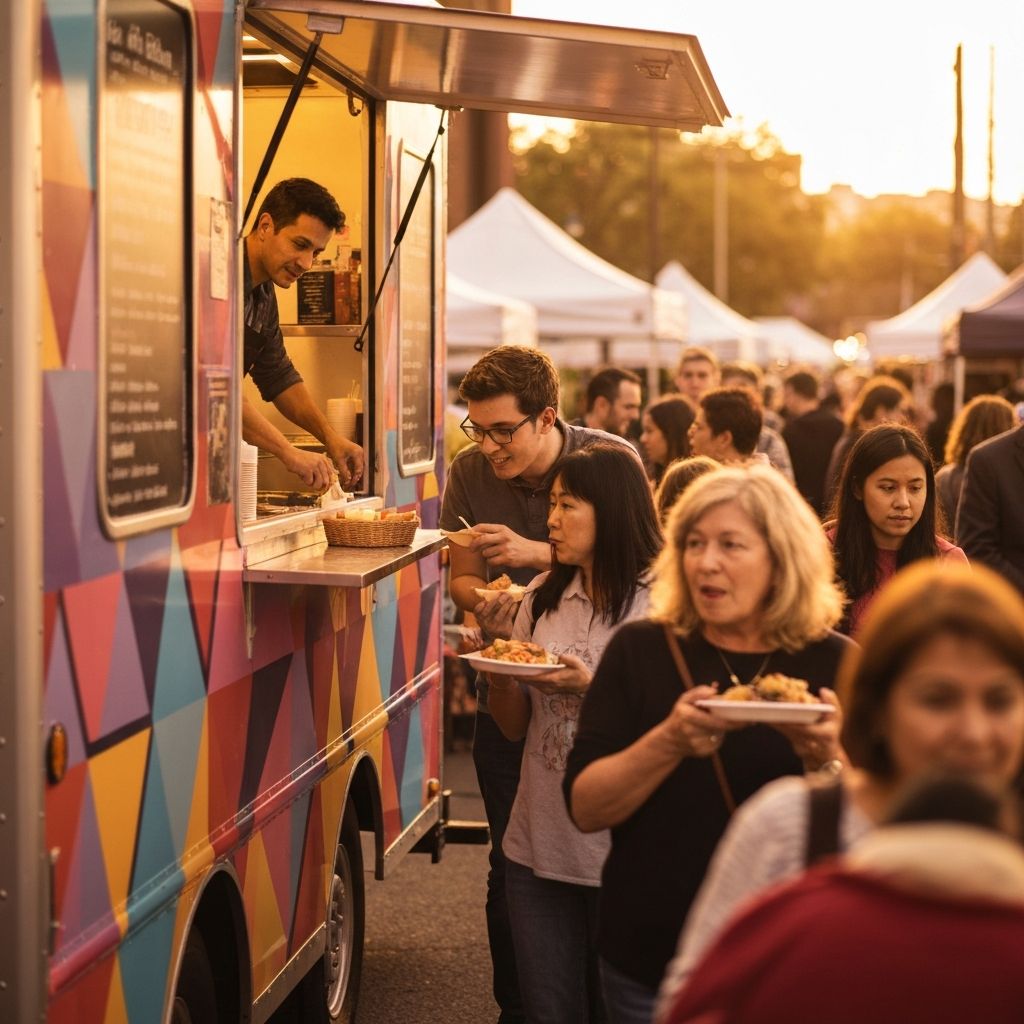
The True Cost of Starting a Food Truck Business
Starting a food truck business is one of the most accessible ways to enter the food service industry, but understanding the true costs involved is essential for making smart financial decisions. The total investment for a food truck can range anywhere from 50000 dollars to over 200000 dollars depending on whether you buy new or used, the type of cuisine you plan to serve, and the level of customization your kitchen requires. Before you commit to this exciting venture, it is important to break down every cost category so you can budget accurately and avoid costly surprises down the road.
The food truck industry has experienced tremendous growth over the past decade, with annual revenue in the United States exceeding 1.4 billion dollars. This growth has been fueled by changing consumer preferences, the rise of street food culture, and the lower barrier to entry compared to opening a traditional brick-and-mortar restaurant. However, lower does not mean cheap, and many aspiring food truck owners underestimate the total investment required to get their business up and running successfully.
Buying a New Food Truck
A brand-new food truck is the most expensive option, but it offers the advantage of reliability, warranty coverage, and full customization. New food trucks typically cost between 75000 and 200000 dollars depending on the size, manufacturer, and equipment package. A basic truck with standard kitchen equipment will fall on the lower end of this range, while a fully custom-built truck with high-end appliances, specialized ventilation systems, and premium finishing can easily exceed 150000 dollars.
When purchasing new, you will work with a food truck manufacturer or converter who will build the kitchen to your exact specifications. This process usually takes between 8 and 16 weeks, during which the manufacturer will install cooking equipment, refrigeration units, ventilation hoods, plumbing, electrical systems, and serving windows. The advantage of going new is that everything is built to current health and safety codes, which can simplify the permitting process significantly.
Major food truck manufacturers offer financing options that can make a new truck more accessible. Many buyers put down 10 to 20 percent and finance the remainder over 5 to 7 years, resulting in monthly payments between 1000 and 2500 dollars depending on the total cost and interest rate. Keep in mind that food trucks depreciate quickly, losing roughly 15 to 20 percent of their value in the first year alone.
Buying a Used Food Truck
Used food trucks represent a significant cost savings and are the most popular option for first-time food truck owners. You can find used food trucks priced between 20000 and 100000 dollars depending on the age, condition, mileage, and existing kitchen setup. Online marketplaces, food truck dealerships, and auction sites are the most common places to find used trucks for sale.
When shopping for a used food truck, it is critical to inspect the vehicle thoroughly before purchasing. Check the engine, transmission, brakes, tires, and overall mechanical condition of the truck itself. Then inspect the kitchen area for signs of wear, water damage, grease buildup, and equipment functionality. Have a mechanic inspect the vehicle and a food truck specialist evaluate the kitchen equipment to avoid buying a truck that needs expensive repairs.
One common strategy is to purchase a used step van or cargo truck for 5000 to 15000 dollars and then have it converted into a food truck. This approach can save significant money on the vehicle itself, but the conversion costs can add up quickly. A professional food truck conversion typically costs between 30000 and 80000 dollars depending on the complexity of the kitchen layout and the quality of equipment installed.
Essential Equipment Costs
Whether you buy new or used, your food truck needs essential kitchen equipment to operate. Commercial cooking equipment is a major expense, with commercial ranges costing 2000 to 8000 dollars, deep fryers running 1500 to 5000 dollars, and griddles priced between 1000 and 4000 dollars. Refrigeration is another significant cost, with commercial refrigerators and freezers costing 2000 to 6000 dollars each.
Ventilation is absolutely critical in a food truck and is often one of the most expensive components. A commercial ventilation hood with fire suppression system costs between 3000 and 10000 dollars. This is not an area to cut corners, as proper ventilation is required by health codes and is essential for the safety of your staff and customers.
Beyond cooking equipment, you will need serving supplies, point-of-sale systems, generators or electrical hookups, water tanks, waste water tanks, and storage solutions. A quality commercial generator capable of powering your entire kitchen costs between 3000 and 8000 dollars. Point-of-sale systems with credit card processing run 500 to 2000 dollars for the hardware, plus monthly transaction fees.
Permits, Licenses, and Insurance
Operating a food truck legally requires a variety of permits and licenses that vary by city and state. A business license typically costs 50 to 400 dollars, while a food service permit can range from 100 to 1000 dollars. Health department permits, fire department inspections, and mobile food vendor permits add additional costs that can total 500 to 5000 dollars annually depending on your location.
Insurance is a non-negotiable expense for food truck operators. Commercial auto insurance for a food truck costs between 2000 and 4000 dollars per year. General liability insurance adds another 1000 to 3000 dollars annually. Workers compensation insurance is required if you have employees and costs vary based on payroll and state requirements. Many food truck operators also carry product liability insurance, which protects against claims related to foodborne illness.
Ongoing Operating Costs
Beyond the initial investment, food truck owners face monthly operating costs that must be factored into their business plan. Food costs typically represent 28 to 35 percent of revenue, which is comparable to traditional restaurants. Labor costs, including your own salary and any employees, usually account for 25 to 35 percent of revenue.
Fuel and propane costs run 200 to 600 dollars per month depending on how far you drive and how much cooking you do. Commissary kitchen fees, which many cities require food truck operators to pay for access to a licensed commercial kitchen for food prep and storage, cost 400 to 1200 dollars per month. Event fees and parking permits can add another 200 to 2000 dollars per month depending on the locations you choose to operate in.
Marketing and branding expenses should also be budgeted. An eye-catching truck wrap costs 2500 to 5000 dollars and is one of the most effective marketing investments you can make. Social media management, website hosting, and online ordering platforms add 100 to 500 dollars per month. Many successful food truck operators budget 3 to 5 percent of revenue for ongoing marketing efforts.
Is a Food Truck a Good Investment
Despite the significant upfront and ongoing costs, food trucks can be highly profitable businesses when managed well. The average food truck generates between 250000 and 500000 dollars in annual revenue, with profit margins typically ranging from 6 to 9 percent. Some highly successful food trucks in prime markets can generate over 1 million dollars annually. The key to profitability is location selection, menu optimization, cost control, and building a loyal customer following through consistent quality and smart marketing.
