
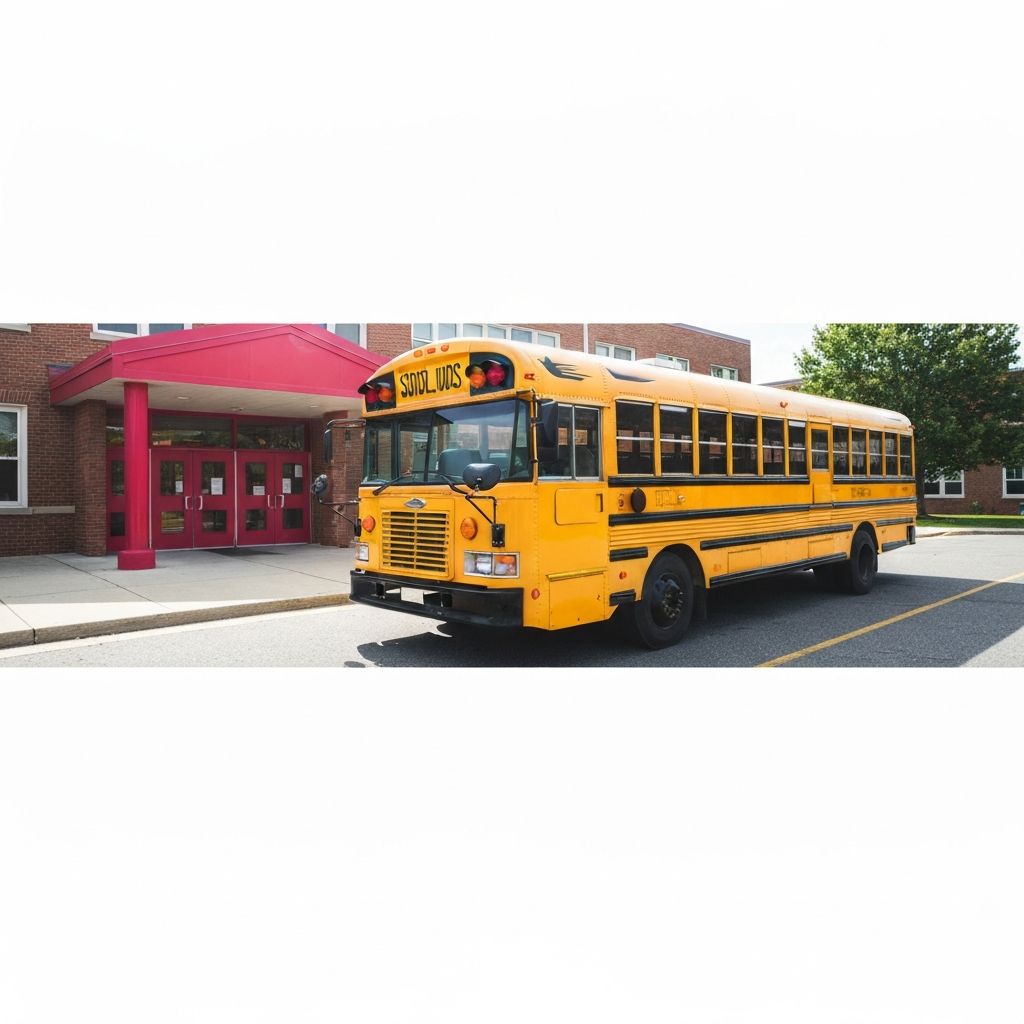
Overview of School Bus Driver Salaries
School bus drivers play a vital role in our educational system, safely transporting millions of students to and from school every day. Despite the importance of this position, many people are unaware of the compensation these essential workers receive. Understanding school bus driver salaries is relevant whether you're considering this career, advocating for better pay for drivers in your district, or simply curious about how this profession is compensated.
According to recent data from the Bureau of Labor Statistics, the median annual salary for school bus drivers in the United States is approximately $42,080. This translates to a median hourly wage of roughly $20.23. However, it's important to note that school bus driving is often a part-time or split-shift position, which significantly affects total annual earnings. Many drivers work only during the school year and have reduced hours compared to full-time, year-round employment.
Salary Ranges Across the Country
School bus driver salaries vary dramatically based on geographic location. Cost of living differences, local tax revenues, union presence, and regional labor market conditions all contribute to significant pay disparities across the country.
Highest-Paying States: States with the highest average school bus driver salaries tend to be those with higher costs of living and stronger union representation. New York leads the nation with an average annual salary of approximately $50,000 to $55,000 for school bus drivers. Washington state, Massachusetts, Connecticut, and California also rank among the highest-paying states, with average salaries ranging from $44,000 to $52,000.
Moderate-Paying States: States in the middle range include Illinois, New Jersey, Oregon, Minnesota, and Colorado, where average salaries fall between $38,000 and $45,000. These states generally have moderate costs of living and varying levels of union presence in their school transportation sectors.
Lower-Paying States: Southern and some rural Western states tend to offer lower compensation for school bus drivers. Mississippi, Alabama, Louisiana, West Virginia, and Arkansas typically have average salaries in the $28,000 to $35,000 range. While the cost of living in these states is generally lower, the pay often does not fully offset the difference.
Factors That Affect School Bus Driver Pay
Several key factors influence how much an individual school bus driver earns. Understanding these variables helps explain the wide range of salaries within the profession.
Public vs. Private Employment: School bus drivers may work directly for a public school district or for a private transportation company that contracts with the district. Drivers employed directly by school districts often receive higher base pay, better benefits, and more job security than those working for private contractors. However, private companies may offer more flexible scheduling and additional hours through charter and field trip work.
Experience and Seniority: Like most professions, school bus driver pay typically increases with experience. Entry-level drivers may start at the lower end of the pay scale, while drivers with ten or more years of experience can earn significantly more. Many districts and companies use step-based pay scales that provide automatic raises based on years of service.
CDL and Endorsements: All school bus drivers must hold a Commercial Driver's License (CDL) with a Passenger (P) endorsement and a School Bus (S) endorsement. Obtaining and maintaining these credentials requires time and money, and compensation often reflects these requirements. Drivers with additional endorsements, such as Hazmat or Tanker, may be eligible for higher pay or supplemental income through additional driving assignments.
Union Representation: In districts where school bus drivers are represented by labor unions, salaries tend to be higher due to collective bargaining agreements. Unions negotiate not only base pay but also benefits, working conditions, overtime policies, and pay increases. Non-union drivers may have less leverage in salary negotiations but may also have more flexibility in their employment terms.
Hours Worked: The number of hours worked directly impacts total earnings. School bus drivers typically work split shifts, driving morning routes and afternoon routes with a gap in between. A driver who works only the standard morning and afternoon routes may log 25 to 30 hours per week. Drivers who take on additional assignments, such as field trips, athletic events, and charter runs, can significantly increase their hours and total compensation.
Benefits and Perks of School Bus Driving
Beyond the base salary, school bus drivers often receive benefits and perks that add significant value to their total compensation package.
Health Insurance: Many school districts and larger private transportation companies offer health insurance to their bus drivers. The quality and cost of these plans vary, but access to employer-sponsored health insurance is a meaningful benefit, particularly for drivers who might not have access through other means.
Retirement Benefits: Drivers employed by public school districts are often eligible to participate in the state's public employee retirement system, which may include pension benefits. Private company drivers may have access to 401(k) plans with employer matching contributions. These retirement benefits can represent a substantial addition to total compensation over a career.
Paid Time Off: School bus drivers typically follow the school calendar, which means they have scheduled time off during summer, winter, and spring breaks, as well as holidays. While this time off is not always paid, some districts and companies provide partial pay or the option to spread annual earnings across 12 months for more consistent income.
Training and Licensing: Many employers cover the cost of CDL training, licensing fees, and ongoing professional development. This can save drivers several thousand dollars in upfront costs and ongoing expenses.
Flexible Schedule: The split-shift schedule that characterizes school bus driving can be either a pro or a con, depending on your perspective. For parents of school-age children, the schedule aligns perfectly with their children's school hours. For retirees or people with other part-time commitments, the mid-day gap provides time for personal activities or supplemental employment.
Additional Earning Opportunities
Ambitious school bus drivers can increase their earnings beyond the base salary through several avenues.
Charter and Field Trip Work: Extra driving assignments for school field trips, athletic events, and charter services provide additional paid hours. These assignments are often distributed based on seniority, so experienced drivers tend to have first access to these earning opportunities.
Summer Employment: Some districts and transportation companies offer summer school routes, summer camp transportation, or other seasonal driving assignments that provide income during the months when regular school routes are not operating.
Training and Mentoring: Experienced drivers may be selected to train new drivers, serving as behind-the-wheel instructors or classroom trainers. These roles often come with additional compensation and recognition.
Supervisory Roles: Advancement into supervisory positions such as lead driver, dispatcher, or transportation coordinator provides higher pay and expanded responsibilities. These roles require a deep understanding of route planning, safety regulations, and personnel management.
The School Bus Driver Shortage
The United States is currently experiencing a significant shortage of school bus drivers, a situation that has been exacerbated by the COVID-19 pandemic and ongoing challenges in recruiting and retaining drivers. This shortage has led to some positive developments for driver compensation.
Many districts and transportation companies have increased starting pay, offered signing bonuses, enhanced benefits packages, and implemented referral bonus programs to attract new drivers. Some areas have reported starting pay increases of 15 to 25 percent over pre-pandemic levels, with signing bonuses ranging from $1,000 to $5,000.
The driver shortage has also created more opportunities for overtime and additional work, as existing drivers are asked to cover vacant routes and take on extra assignments. While this addresses the shortage in the short term, it also contributes to driver burnout and turnover, perpetuating the cycle.
Career Outlook for School Bus Drivers
The job outlook for school bus drivers remains stable, with the Bureau of Labor Statistics projecting steady demand for bus drivers over the coming decade. The ongoing driver shortage means that qualified candidates are in high demand across the country, providing favorable job prospects for new entrants to the profession.
As communities grow and school enrollment increases, the need for school transportation continues to expand. Additionally, the aging of the current driver workforce means that many experienced drivers will be retiring in the coming years, creating additional openings.
The introduction of electric school buses and emerging transportation technologies may also create new opportunities and potentially attract a new demographic of drivers interested in sustainable transportation. Some districts are investing in modern fleets and updated training programs that may make the profession more appealing to younger workers.
Conclusion
School bus drivers earn a median annual salary of approximately $42,080, with significant variation based on location, experience, employer type, and hours worked. While the base pay may seem modest, benefits including health insurance, retirement contributions, paid training, and schedule flexibility add meaningful value to the total compensation package. The current driver shortage is driving pay increases and improved benefits across the industry, making this an opportune time to consider school bus driving as a career or supplement to other income.
