
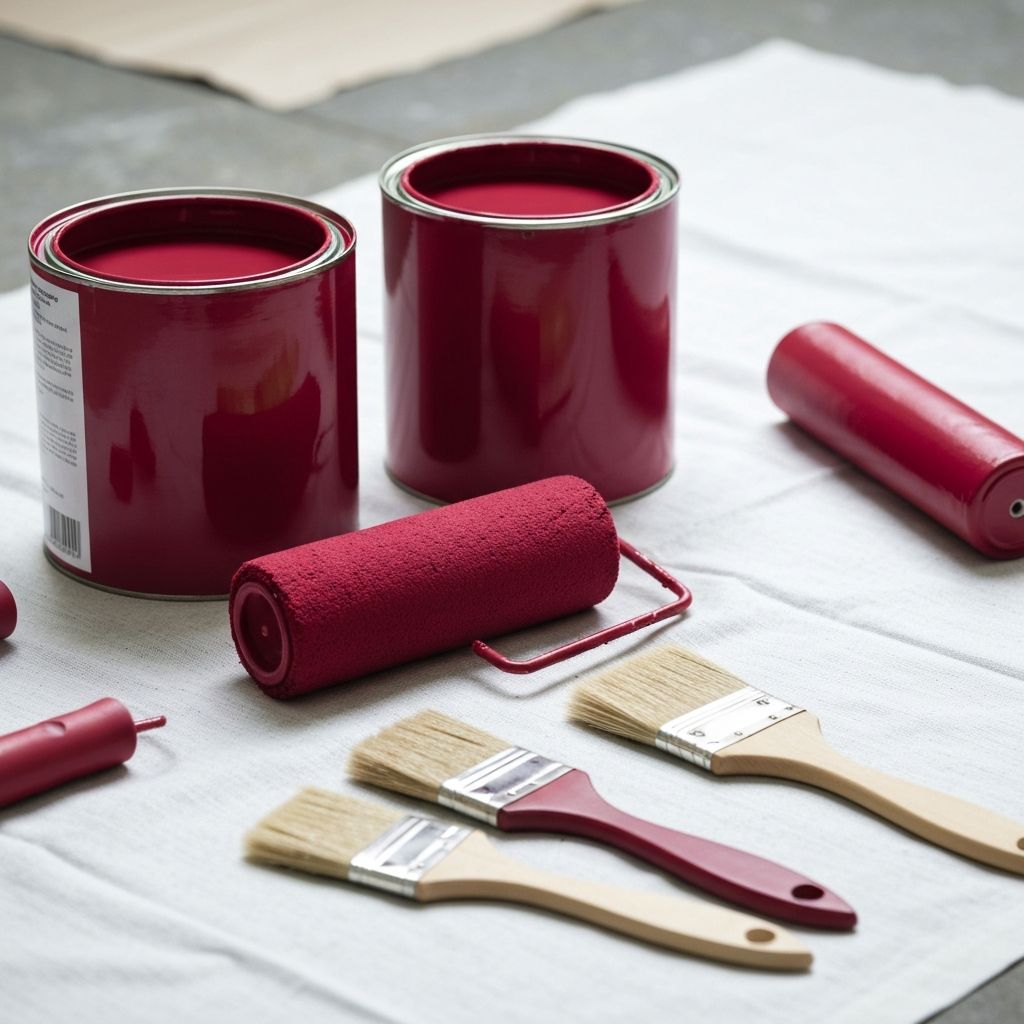
The Weight of a Gallon of Paint
Whether you are planning a home renovation, preparing for a commercial painting project, or simply curious, knowing how much a gallon of paint weighs is more useful than you might think. The weight of paint varies depending on the type, but on average, a gallon of paint weighs between 6 and 12 pounds. The most common type of paint, latex or water-based paint, typically weighs between 10 and 12 pounds per gallon.
Understanding the weight of paint is important for several practical reasons. If you are transporting paint, you need to know how much weight your vehicle can handle. If you are working on a ladder or scaffolding, the weight of multiple gallons of paint can affect your safety and stability. And if you are shipping paint, weight determines the shipping cost.
Weight by Paint Type
Different types of paint have different weights due to their varying compositions. Latex paint, also known as water-based paint, is the most commonly used type for residential applications. A gallon of latex paint typically weighs between 10 and 12 pounds. The water content in latex paint accounts for much of its weight, and as the paint dries, the water evaporates, leaving behind a lighter dried film.
Oil-based paint, also known as alkyd paint, is generally lighter than latex paint, weighing between 6.5 and 8 pounds per gallon. Oil-based paints use petroleum-based solvents instead of water, which are less dense. Despite being lighter, oil-based paints are thicker and more viscous, which can make them feel heavier when stirring or applying.
Primer is another product to consider. Latex primer typically weighs about the same as latex paint, around 10 to 12 pounds per gallon. Oil-based primer is slightly lighter, similar to oil-based paint. Specialty primers, such as shellac-based primers, can vary in weight.
Specialty paints have their own weight ranges. Enamel paint, often used for trim and cabinets, weighs approximately 10 to 11 pounds per gallon. Chalk paint, a popular choice for furniture refinishing, weighs about 11 to 12 pounds per gallon. Textured paint, which contains sand or other additite materials, can weigh more than standard paint, sometimes exceeding 12 pounds per gallon.
Why Does Paint Weight Vary?
The weight of paint is determined by its ingredients, which include pigments, binders, solvents, and additives. Pigments are the solid particles that give paint its color and opacity. Different pigments have different densities, which affects the overall weight of the paint. For example, titanium dioxide, the most common white pigment, is relatively dense and adds significant weight to the paint.
Binders are the polymers that hold the pigment particles together and adhere the paint to the surface. In latex paint, the binder is typically an acrylic or vinyl-acrylic polymer. In oil-based paint, the binder is usually an alkyd resin. The type and amount of binder affect both the weight and performance of the paint.
Solvents are the liquids that keep the paint in a liquid state for application. In latex paint, the primary solvent is water. In oil-based paint, the solvent is a petroleum-based product such as mineral spirits. Since water is denser than petroleum solvents, latex paint tends to be heavier than oil-based paint.
Additives such as thickeners, anti-foaming agents, mildewcides, and UV stabilizers also contribute to the weight of paint. Higher-quality paints often contain more solids (pigments and binders) and fewer solvents, which can make them heavier per gallon but also provide better coverage and durability.
How Much Do Different Container Sizes Weigh?
Paint is sold in several standard container sizes, and knowing the weight of each can help with planning and transportation. A quart of latex paint weighs approximately 2.5 to 3 pounds. A gallon weighs 10 to 12 pounds. A five-gallon bucket of latex paint weighs approximately 50 to 60 pounds, which is a significant amount of weight to carry or lift.
For oil-based paint, a quart weighs about 1.6 to 2 pounds, a gallon weighs 6.5 to 8 pounds, and a five-gallon bucket weighs approximately 32.5 to 40 pounds. These weights do not include the weight of the container itself, which adds an additional half pound to one pound for a gallon can and several pounds for a five-gallon bucket.
When purchasing large quantities of paint, keep these weights in mind. A trip to the home improvement store for ten gallons of latex paint means you will be loading over 100 pounds of paint into your vehicle, not including the weight of the cans.
How Weight Affects Paint Coverage
The weight of paint is indirectly related to its coverage. Heavier paints tend to have a higher solids content, which means they contain more pigment and binder relative to solvent. A higher solids content generally translates to better coverage, meaning you can cover more square footage with fewer coats.
Premium paints with high solids content may weigh slightly more per gallon but can actually save you money in the long run because you need fewer coats to achieve full coverage. A single coat of premium paint may provide the same opacity and finish as two coats of a cheaper, lighter-weight paint.
When estimating how much paint you need for a project, consider both the coverage rate (typically listed on the paint can in square feet per gallon) and the number of coats required. A gallon of premium latex paint typically covers 350 to 400 square feet per coat, while lower-quality paints may cover only 250 to 300 square feet per coat.
Transporting and Storing Paint Safely
Knowing the weight of paint is essential for safe transportation and storage. When transporting paint in your vehicle, make sure the containers are secured upright to prevent spilling. Place them in a box or on a flat surface in the trunk or cargo area, and do not stack heavy five-gallon buckets on top of gallon cans.
For large painting projects that require many gallons of paint, consider the total weight before loading your vehicle. A standard sedan can typically handle 300 to 500 pounds of cargo, so twenty gallons of latex paint at about 11 pounds each (220 pounds total) should be well within the limit. However, if you are also carrying ladders, drop cloths, and other supplies, the total weight adds up quickly.
When storing paint, keep it in a cool, dry place away from extreme temperatures. Frozen paint can be ruined, and excessive heat can cause the can to expand and potentially burst. Store paint cans on a shelf or pallet rather than directly on a concrete floor, which can cause the cans to rust.
Disposing of Leftover Paint
When your painting project is complete, you may have leftover paint that needs to be disposed of properly. Latex paint is not considered hazardous waste and can often be dried out and disposed of with regular household trash. To dry out latex paint, remove the lid and allow the paint to air dry, or mix in cat litter or a commercial paint hardener to speed up the process.
Oil-based paint is considered hazardous waste and must be disposed of at a designated hazardous waste collection facility. Never pour oil-based paint down the drain or into the trash. Check with your local waste management authority for information on hazardous waste collection events in your area.
Consider donating leftover usable paint to community organizations, schools, or habitat restoration projects. Many communities have paint recycling programs that accept leftover paint and redistribute it for reuse, reducing waste and helping those in need.
