
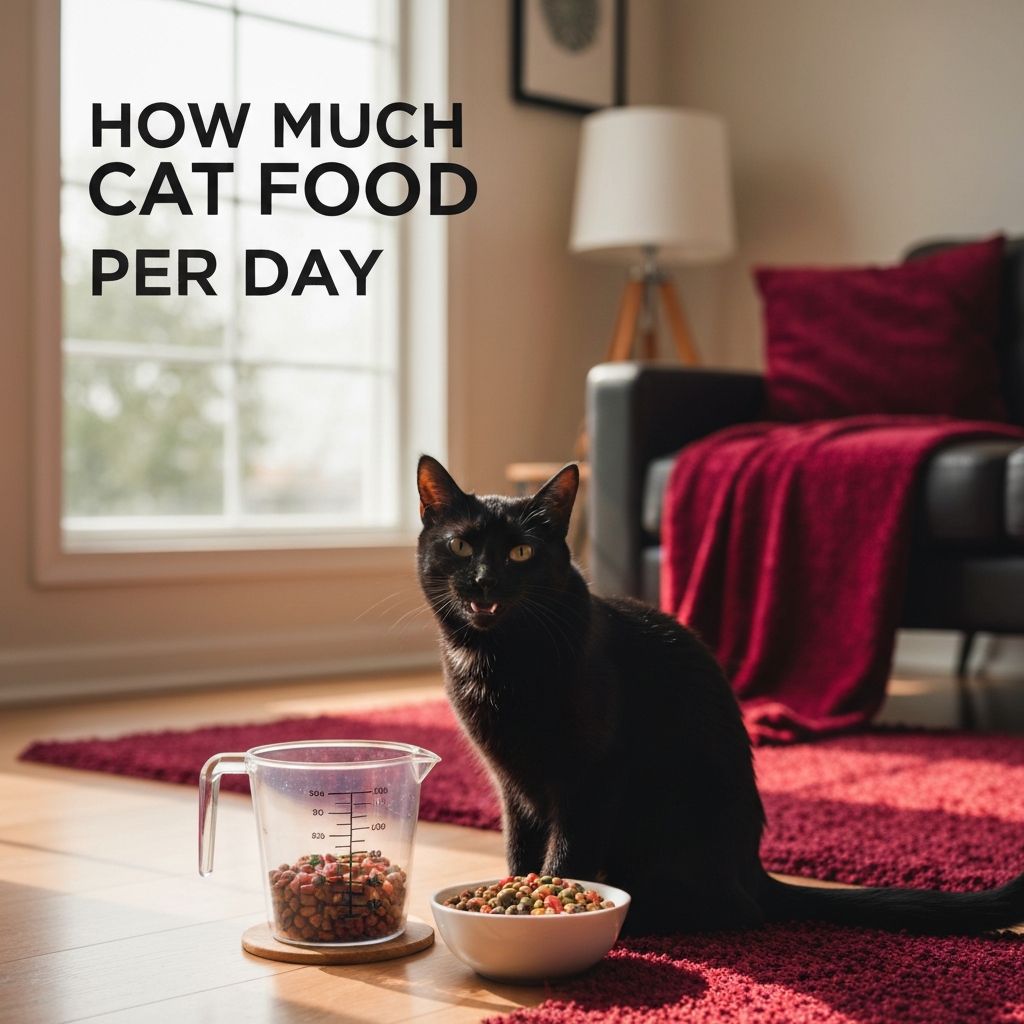
Why Proper Feeding Portions Matter for Cats
Feeding your cat the right amount of food each day is one of the most important decisions you make as a pet owner. Overfeeding is one of the leading causes of feline obesity, which affects an estimated 60 percent of cats in the United States. Obesity in cats can lead to serious health problems including diabetes mellitus, arthritis, liver disease, urinary tract issues, and a shortened lifespan. Conversely, underfeeding can result in nutritional deficiencies, weight loss, lethargy, and a weakened immune system.
Determining the correct portion size for your cat is not a one-size-fits-all calculation. The amount of food your cat needs depends on several factors, including their age, weight, body condition, activity level, whether they are spayed or neutered, and the caloric density of the food you are using. Understanding these variables will help you establish a feeding routine that keeps your cat at a healthy weight and provides optimal nutrition.
Feeding Guidelines by Age
Kittens have very different nutritional needs than adult cats. From birth to around four weeks, kittens rely exclusively on their mother's milk or a specially formulated kitten milk replacer. At approximately four weeks, kittens can begin transitioning to solid food. From weaning through six months of age, kittens should be offered food three to four times per day, as their small stomachs cannot hold large quantities at once, but their rapidly growing bodies need frequent nourishment.
From six months to one year, most kittens can transition to twice-daily feeding. Kitten food is specially formulated with higher protein and calorie content to support growth and development. Once your cat reaches one year of age, they are generally considered an adult and should transition to adult cat food. Adult cats typically do well with two meals per day, morning and evening, though some owners prefer to provide three smaller meals. Senior cats, generally those over 11 years of age, may benefit from smaller, more frequent meals and may require food formulated for their changing nutritional needs.
How Much Dry Food to Feed Your Cat
Dry cat food, also known as kibble, is calorie-dense compared to wet food, meaning your cat needs a relatively small volume to meet their daily caloric requirements. On average, an adult cat weighing 10 pounds needs approximately 200 to 250 calories per day to maintain their weight. Most dry cat foods contain between 300 and 500 calories per cup, depending on the brand and formula.
As a general guideline, a healthy 10-pound adult cat typically needs about one-third to one-half cup of dry food per day, divided between two meals. However, this amount can vary significantly based on the specific food's calorie content. Always check the feeding guidelines on your cat food's packaging and use them as a starting point, adjusting as needed based on your cat's body condition. If you notice weight gain, reduce the portion. If your cat appears thin or loses weight, gradually increase the amount.
How Much Wet Food to Feed Your Cat
Wet cat food has a much higher moisture content than dry food, typically around 75 to 85 percent water compared to roughly 10 percent in dry food. This means your cat needs a larger volume of wet food to consume the same number of calories. A standard 5.5-ounce can of wet cat food typically contains between 150 and 200 calories, depending on the formula.
For a 10-pound adult cat requiring approximately 200 to 250 calories per day, this translates to roughly one to one and a half cans of wet food daily, divided between two meals. Many veterinarians recommend wet food over dry food because the higher moisture content supports kidney function, urinary tract health, and helps prevent dehydration. Cats evolved as desert animals and have a naturally low thirst drive, making the water content in wet food an important source of hydration.
Combination Feeding: Mixing Wet and Dry
Many cat owners choose to feed a combination of wet and dry food, which can offer the benefits of both formats. Wet food provides superior hydration and is typically more palatable, while dry food is more convenient, less expensive per calorie, and can help with dental health. When combination feeding, the key is to calculate the total daily calories from both sources to avoid overfeeding.
A common approach is to offer wet food as the primary meal once or twice daily and leave a measured amount of dry food available for snacking. For example, you might serve half a can of wet food in the morning and evening, supplemented by a quarter cup of dry food available during the day. Monitor your cat's weight and body condition closely when starting a combination feeding routine, as it can be easy to inadvertently provide too many total calories.
Adjusting Portions for Individual Needs
Every cat is unique, and feeding guidelines should be treated as starting points rather than rigid rules. Indoor cats that spend most of their time resting typically need fewer calories than active outdoor cats. Spayed and neutered cats have lower metabolic rates and may require 20 to 30 percent fewer calories than intact cats. Pregnant and nursing cats require significantly more food, sometimes up to twice their normal intake, to support their kittens.
The best way to determine if you are feeding your cat the right amount is to regularly assess their body condition. You should be able to feel your cat's ribs without pressing hard, but they should not be prominently visible. When viewed from above, your cat should have a visible waist, and from the side, their belly should tuck up slightly behind the ribcage. If you are unsure whether your cat is at a healthy weight, your veterinarian can perform a body condition assessment and provide personalized feeding recommendations.
