
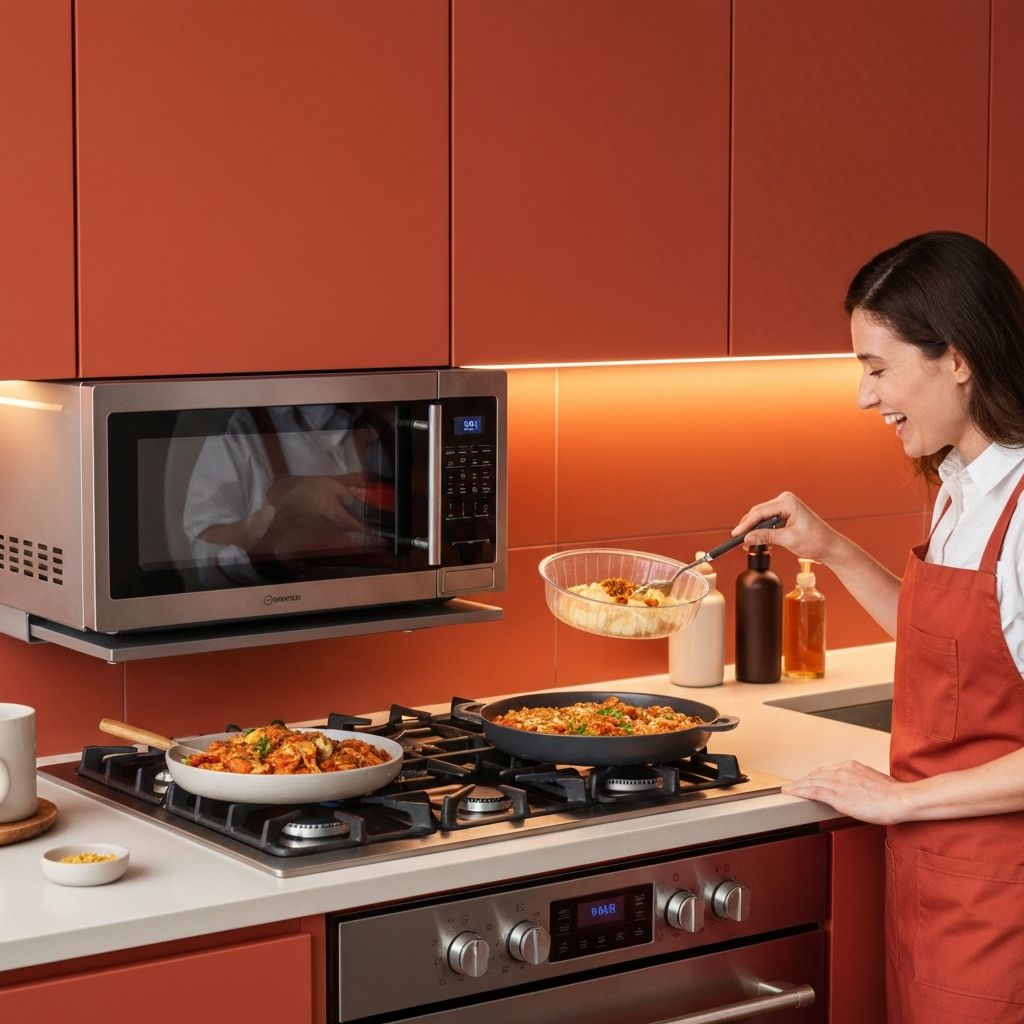
The General Rule of Reheating Food
The question of how many times you can reheat food is one that concerns many home cooks and meal preppers. The general food safety guideline from organizations like the Food Standards Agency (FSA) and the USDA is straightforward: you should only reheat food once after its initial cooking. While technically you can reheat food multiple times, each reheating cycle increases the risk of bacterial contamination and reduces the overall quality of the food.
The reasoning behind this recommendation is rooted in microbiology. Every time food cools down and passes through the temperature danger zone of 40°F to 140°F (4°C to 60°C), bacteria have an opportunity to multiply. Even when food is reheated to a safe temperature, some bacterial toxins are heat-stable and cannot be destroyed by cooking. Additionally, repeated heating and cooling cycles create more opportunities for cross-contamination from utensils, containers, and hands.
Why Reheating Limits Matter for Food Safety
Understanding the science behind reheating limits helps explain why food safety experts are cautious about multiple reheat cycles. When food is initially cooked, most harmful bacteria are killed. However, spore-forming bacteria like Bacillus cereus and Clostridium perfringens can survive cooking in their spore form. As the food cools, these spores can germinate and begin producing new bacterial cells and potentially dangerous toxins.
Each time food is reheated and cooled again, the cumulative time spent in the danger zone increases. Even if each individual cooling period seems brief, the total exposure adds up. For example, if food spends 30 minutes cooling after initial cooking, another 30 minutes cooling after the first reheat, and another 30 minutes after a second reheat, that is 90 minutes of total danger zone exposure, which significantly increases the risk of bacterial growth reaching dangerous levels.
Some bacteria produce toxins that are not destroyed by heat. Staphylococcus aureus, for instance, produces enterotoxins that remain active even after thorough reheating. This means that even if you bring food back to a safe temperature, the toxins produced during the cooling periods can still cause illness. This is one of the strongest arguments for limiting the number of times food is reheated.
Different Foods Have Different Reheating Tolerances
Not all foods respond equally to reheating. Some foods are more resilient and maintain their quality and safety through a reheat cycle, while others deteriorate quickly. Understanding these differences can help you make better decisions about which leftovers to save and how to handle them.
Rice is one of the most important foods to handle carefully when reheating. Uncooked rice often contains spores of Bacillus cereus, which can survive cooking. If cooked rice is left at room temperature, these spores can germinate and produce toxins that cause vomiting. The best practice is to cool rice quickly after cooking, refrigerate it within one hour, and consume it within one day. When reheating rice, ensure it is steaming hot throughout.
Chicken and other poultry products should ideally only be reheated once. Repeated reheating can cause the proteins to break down excessively, creating a tough, rubbery texture while also increasing food safety risks. When reheating chicken, make sure it reaches an internal temperature of 165°F (74°C) throughout. Soups and stews, on the other hand, tend to reheat well because their liquid content helps distribute heat evenly and can even improve in flavor.
Best Practices for Safe Reheating
If you are going to reheat food, following best practices can minimize the risks and help maintain quality. The most important rule is to reheat food to an internal temperature of at least 165°F (74°C). Use a food thermometer to verify this, especially for thick or dense foods where the center may not reach the same temperature as the edges.
When using a microwave, stir food halfway through the reheating process to eliminate cold spots where bacteria can survive. Microwave heating is notoriously uneven, so rotating the dish and allowing standing time helps ensure uniform temperature distribution. Cover food with a microwave-safe lid or damp paper towel to trap steam, which helps heat food more evenly.
On the stovetop, reheat sauces, soups, and gravies by bringing them to a rolling boil and maintaining it for at least one minute. For solid foods like casseroles or meat dishes, use an oven set to at least 325°F (163°C) and heat until the internal temperature reaches 165°F (74°C). Avoid using slow cookers or chafing dishes for reheating, as they may not heat food quickly enough to prevent bacterial growth.
The Smart Approach: Portion Before Storing
The most effective strategy for dealing with leftovers is to portion your food before storing it. Instead of refrigerating an entire pot of soup and reheating the whole batch each time you want a serving, divide it into individual portions in separate containers. This way, you only reheat the amount you plan to eat, and the rest stays safely refrigerated without going through additional heating and cooling cycles.
This approach has multiple benefits. It reduces waste because you are less likely to discard food that has been reheated too many times. It maintains food quality since each portion is only reheated once. It also speeds up both cooling and reheating times because smaller portions reach safe temperatures more quickly. Use shallow containers for faster cooling and label each container with the date it was prepared.
Signs That Reheated Food Has Gone Bad
Even with proper handling, it is important to know the signs that food should not be consumed. If food has an unusual or off odor, a slimy texture, visible mold, or an unusual color, discard it immediately. However, it is crucial to understand that many dangerous bacteria do not produce visible or olfactory changes in food. Food can look and smell perfectly fine while harboring dangerous levels of pathogens.
Trust the timeline as much as your senses. Most cooked leftovers should be consumed within 3 to 4 days when stored properly in the refrigerator at 40°F (4°C) or below. If you cannot consume leftovers within this timeframe, freeze them for later use. Frozen leftovers maintain their quality for 2 to 3 months, though they remain safe to eat indefinitely when kept at a constant 0°F (-18°C).
Special Considerations for Meal Prepping
Meal prepping has become increasingly popular as a way to save time and eat healthier throughout the week. If you are a meal prepper, understanding reheating limits is especially important. Prepare your meals and divide them into individual servings immediately after cooking. Cool them quickly by placing containers in an ice bath before transferring to the refrigerator.
Plan your meal prep so that you consume the earliest-prepared meals first and save frozen meals for later in the week. When possible, prepare components separately and assemble meals fresh. For example, cook rice and protein separately, storing them in individual containers, and combine them only when ready to eat. This gives you more flexibility and reduces the need for multiple reheating cycles of any single component.
