
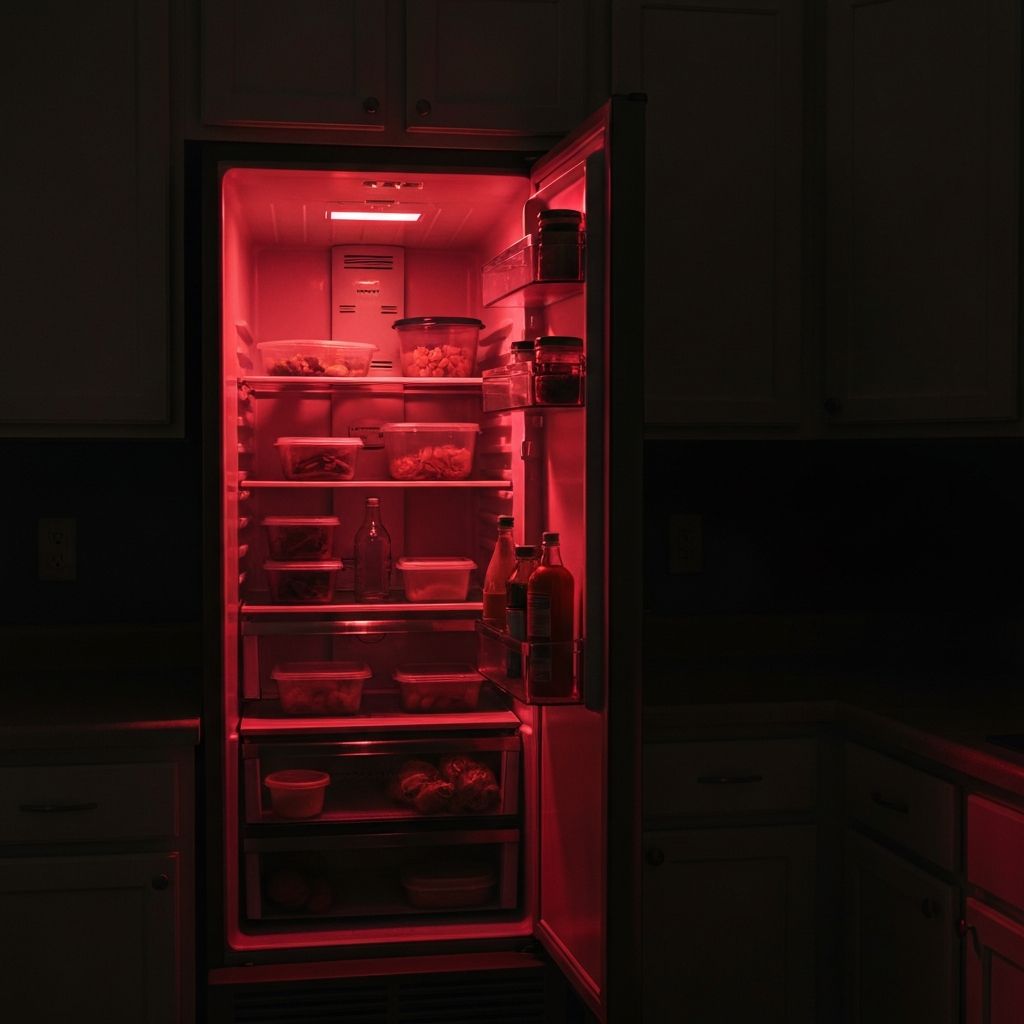
Understanding Food Safety During Power Outages
Power outages can happen at any time due to severe weather, equipment failures, natural disasters, or grid overloads. One of the most immediate concerns during an outage is the safety of the food stored in your refrigerator and freezer. According to the USDA, a refrigerator will keep food safely cold for about four hours during a power outage if the door is kept closed. A full freezer will maintain its temperature for approximately 48 hours (24 hours if half full) without power, again assuming the door remains closed. Understanding these timeframes and knowing which foods are safe to keep or discard after a power outage can prevent foodborne illness and help you make informed decisions during stressful situations.
Food safety during power outages is not just about convenience; it is about health. Bacteria can multiply rapidly when food enters the temperature danger zone between 40 and 140 degrees Fahrenheit. Some of the most dangerous foodborne pathogens, including Salmonella, E. coli, and Listeria, can grow in food that has been improperly stored, and these bacteria often do not change the appearance, smell, or taste of food. This means that food can look and smell perfectly fine while harboring dangerous levels of harmful bacteria. For this reason, the guidelines for food safety during power outages prioritize time and temperature over sensory evaluation.
How Long Does Refrigerated Food Last Without Power?
A properly functioning refrigerator maintains an internal temperature of 40 degrees Fahrenheit or below. When the power goes out, the insulation of the refrigerator helps maintain this temperature for a limited time, but the clock starts ticking immediately. As a general rule, a closed refrigerator will keep food cold enough (below 40 degrees Fahrenheit) for approximately four hours after the power goes out.
The four-hour window is not absolute and can be influenced by several factors. The amount of food in the refrigerator affects how long it stays cold; a full refrigerator retains cold better than a partially empty one because the food mass acts as insulation. The ambient temperature of the room also matters; a refrigerator in a cool basement will stay cold longer than one in a hot kitchen during summer. The age and condition of the refrigerator, including the quality of its door seals, also affects temperature retention.
Every time you open the refrigerator door during a power outage, warm air enters and cold air escapes, reducing the time your food stays safe. Resist the urge to check on your food frequently. Instead, keep the door closed as much as possible and use a refrigerator thermometer to monitor the internal temperature when you do need to open the door. If your refrigerator does not have a built-in thermometer, consider placing an appliance thermometer inside so you can quickly check the temperature after power is restored.
How Long Does Frozen Food Last Without Power?
Freezers are generally more forgiving during power outages than refrigerators because the food is stored at much lower temperatures (0 degrees Fahrenheit or below) and the ice crystals in frozen food act as a thermal mass that helps maintain cold temperatures. A full freezer will maintain a safe temperature for approximately 48 hours without power, while a half-full freezer will stay cold for about 24 hours, provided the door remains closed.
The type of freezer also affects temperature retention. Chest freezers generally maintain their temperature longer than upright freezers because cold air, being denser than warm air, stays inside a chest freezer more effectively when the lid is opened. Upright freezers lose cold air more quickly because it spills out when the door is opened, similar to how cold water flows out of a tipped glass.
To extend the life of your frozen food during an outage, avoid opening the freezer door unless absolutely necessary. If you have advance warning of a potential outage (such as an approaching hurricane), you can prepare by filling any empty spaces in the freezer with bags of ice, containers of water, or even newspaper, which will increase the thermal mass and help maintain cold temperatures longer. Grouping frozen items tightly together also helps, as they will keep each other cold.
Which Foods to Keep and Which to Discard
After a power outage, the decision to keep or discard food should be based on the type of food, the temperature it reached, and the duration of the outage. The USDA provides detailed guidelines for making these decisions, and when in doubt, the safest approach is to throw it out.
Refrigerated foods that should be discarded if they have been above 40 degrees Fahrenheit for two hours or more include raw or cooked meat, poultry, and fish, lunch meats and hot dogs, eggs and egg-based dishes, soft cheeses, milk, cream, and yogurt, opened baby formula, casseroles and stews, pizza, and any cut fruits or vegetables. These foods are highly perishable and can harbor dangerous bacteria even if they look and smell normal.
Some refrigerated foods can safely be kept even after an extended power outage. These include hard cheeses (cheddar, Swiss, Parmesan), butter, margarine, fresh whole fruits and vegetables (uncut), bread and baked goods, condiments like ketchup, mustard, and barbecue sauce, peanut butter, jelly, relish, pickles, olives, and vinegar-based salad dressings. These foods are either acidic enough, dry enough, or otherwise resistant to bacterial growth that they remain safe at room temperature for extended periods.
For frozen foods, the key question is whether the food still contains ice crystals or is at 40 degrees Fahrenheit or below. Frozen food that still has ice crystals or is at 40 degrees Fahrenheit or below can be safely refrozen or cooked and consumed, though there may be some loss of quality. Frozen food that has thawed completely and has been above 40 degrees Fahrenheit for two hours or more should be discarded. This includes frozen meats, poultry, fish, ice cream, frozen dinners, and casseroles.
Preparing for Power Outages
Preparation is the best defense against food loss during power outages. Keep a refrigerator thermometer and a freezer thermometer in your appliances at all times so you can quickly assess temperatures after an outage. Know where your local sources of ice are, including convenience stores, grocery stores, and ice delivery services, in case you need to supplement your refrigerator or freezer cooling.
Consider investing in coolers with ice packs that you can use to store essential perishable foods if the outage extends beyond four hours. Dry ice is an excellent option for keeping food frozen during extended outages; 50 pounds of dry ice can keep a full 18-cubic-foot freezer cold for about two days. However, dry ice must be handled with gloves and used in ventilated areas, as it releases carbon dioxide gas as it sublimates.
Build a nonperishable food supply that can sustain your family for at least three days without refrigeration. This stockpile should include canned goods (with a manual can opener), dried fruits and nuts, crackers, peanut butter, shelf-stable milk or juice, granola bars, and bottled water. Having these items on hand ensures that you have safe food to eat even if you need to discard most of your refrigerated and frozen foods.
What to Do When Power Returns
When the power comes back on, the first thing you should do is check the temperatures in your refrigerator and freezer. If the refrigerator is at 40 degrees Fahrenheit or below and has been without power for no more than four hours, all the food should be safe. If the temperature has risen above 40 degrees, evaluate each food item individually using the guidelines discussed above.
For the freezer, check whether food still contains ice crystals. If food has ice crystals and the freezer temperature is 40 degrees Fahrenheit or below, it can be refrozen safely. Food that has fully thawed and been above 40 degrees Fahrenheit for more than two hours should be discarded. Document any food that needs to be discarded, as you may be able to claim losses through your homeowner's insurance or through disaster relief programs if the outage was caused by a declared emergency.
After discarding any unsafe food, clean and sanitize your refrigerator and freezer before restocking. Any spills or leaks from thawed food should be cleaned up promptly to prevent bacterial contamination. Use a solution of one tablespoon of baking soda per quart of water to clean interior surfaces, then rinse with clean water and dry with a clean towel.
Conclusion
During a power outage, a closed refrigerator will keep food safe for about four hours, while a full freezer can maintain safe temperatures for up to 48 hours. The key to food safety during outages is keeping doors closed, monitoring temperatures, and making informed decisions about which foods to keep and which to discard. Preparation, including maintaining thermometers in your appliances, keeping a supply of ice or dry ice, and building a nonperishable food stockpile, can minimize food waste and protect your family's health during unexpected power outages.
