
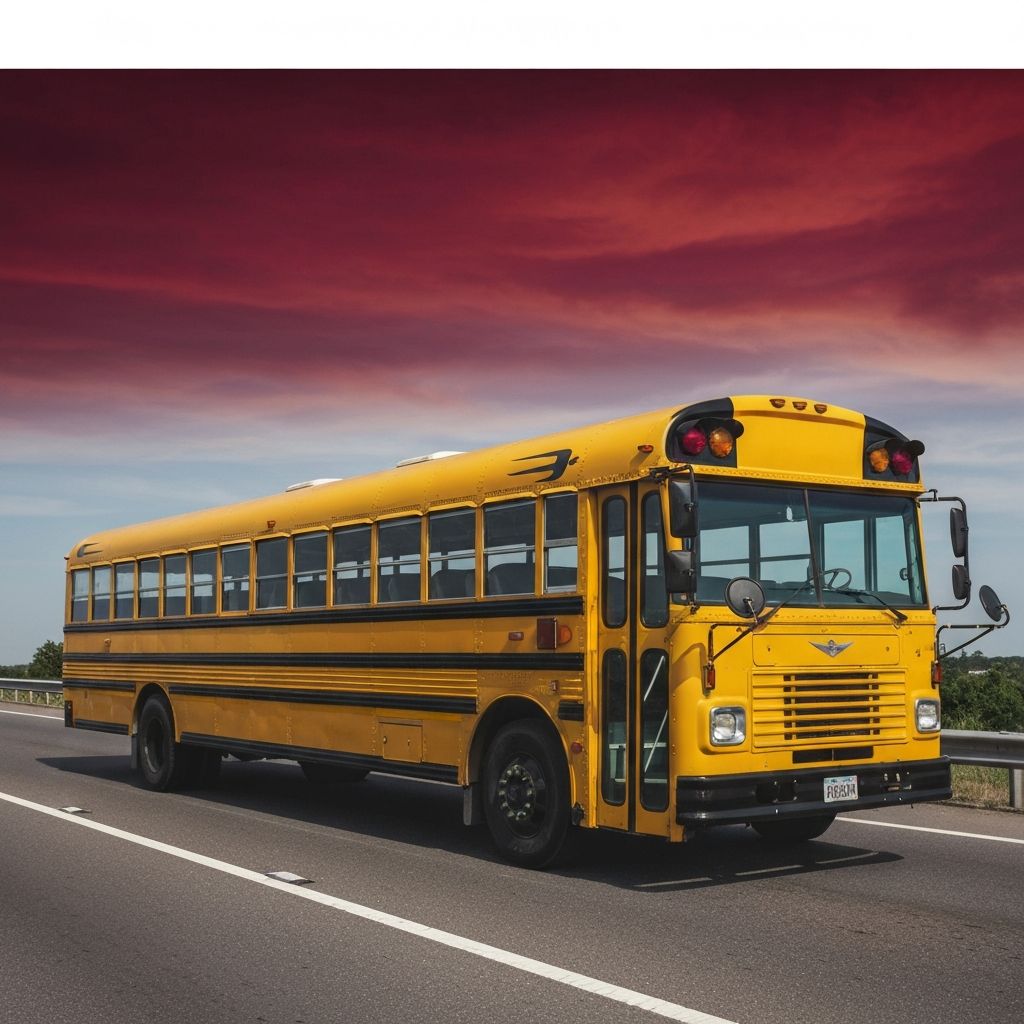
Understanding School Bus Dimensions
The iconic yellow school bus is one of the most recognizable vehicles on American roads, serving as a daily mode of transportation for approximately 26 million students across the United States. Despite their familiar appearance, many people are surprised to learn that school buses come in a wide range of sizes, with lengths varying significantly depending on the type, capacity, and intended use of the vehicle. Understanding the dimensions of school buses is important for a variety of reasons, from urban planning and road design to safety regulations and fleet management.
School buses are manufactured to strict federal and state safety standards that govern everything from their structural integrity and emergency exits to their exterior color and lighting systems. However, the actual dimensions of school buses can vary considerably between manufacturers, models, and configurations. In this comprehensive guide, we will explore the standard lengths of different types of school buses, the factors that determine their size, and why these dimensions matter for students, schools, and communities.
Standard School Bus Lengths
School buses are generally classified into four types based on their size and construction, each with different typical length ranges. The most common type, and the one that most people picture when they think of a school bus, is the Type C (conventional) school bus. These are the classic front-engine, flat-nose buses with the distinctive yellow body mounted on a truck chassis. Type C school buses typically range from 35 to 40 feet in length, with the most common sizes being 35, 36, and 40 feet. A standard full-size Type C school bus is approximately 35 to 36 feet long and can carry 72 to 90 passengers.
Type D (transit-style) school buses are the largest school buses available, featuring a flat front design similar to a city transit bus with the engine mounted at the rear or beneath the floor. These buses typically range from 35 to 45 feet in length, with the largest models capable of carrying up to 90 passengers. Type D buses are often used by larger school districts that need to transport maximum numbers of students on each route, as their design allows for more efficient use of interior space compared to conventional buses.
Smaller School Bus Types
Not all school buses are the massive yellow vehicles that dominate highway traffic. Type A school buses are smaller vehicles built on a van or cutaway front-section chassis, typically ranging from 17 to 25 feet in length. These compact buses are designed for smaller routes, special education transport, and situations where a full-size bus is impractical or unnecessary. Type A buses typically carry 10 to 36 passengers and are particularly popular in rural areas with low student populations or narrow roads that cannot accommodate larger vehicles.
Type B school buses fall between Types A and C in size, with lengths typically ranging from 22 to 35 feet. These mid-size buses are built on a stripped chassis where the body manufacturer completes the cab and passenger area. Type B buses can carry 24 to 54 passengers and offer a compromise between the maneuverability of smaller buses and the capacity of full-size models. They are commonly used for medium-length routes and in suburban areas where passenger demand does not justify the use of a full-size bus.
Multi-function activity buses (MFABs), which are used for field trips, athletic events, and other non-route activities, come in a variety of sizes and may not conform to the same dimensional standards as regular school buses. These vehicles may range from small vans to full-size coach-style buses, depending on the needs of the school or organization using them.
Width and Height Dimensions
While length receives the most attention when discussing school bus dimensions, width and height are also important measurements. The standard width of a full-size school bus (Types C and D) is approximately 8 to 8.5 feet (96 to 102 inches), not including mirrors. When extended mirrors are included, the total width can increase to approximately 10 to 11 feet, which is an important consideration for road design, parking lots, and maintenance facilities.
The height of a standard school bus varies depending on the type and chassis configuration but typically ranges from 10 to 11.5 feet from the ground to the top of the roof. This height includes the ground clearance, chassis height, floor height, and interior ceiling height. The interior ceiling height is typically designed to allow most adults to stand upright, usually about 6 feet or slightly more. School bus height is an important consideration for bridges, overpasses, parking garages, and other structures with height restrictions.
The interior width of the passenger compartment is typically about 7.5 feet, which allows for two rows of seats separated by a central aisle. Standard school bus seats are 39 inches wide, designed to accommodate three elementary school students or two middle or high school students per seat. The aisle width is typically 12 to 15 inches, wide enough for students to walk through but narrow enough to maximize seating capacity.
Factors That Determine School Bus Size
Several factors influence the size of school bus that a school district selects for its fleet. Student population and route density are the primary considerations, as districts need to balance the cost of operating larger buses against the efficiency of transporting more students per trip. In densely populated urban areas, full-size buses are often the most cost-effective option, as they can carry maximum numbers of students on shorter routes with frequent stops.
Road conditions and infrastructure also play a significant role in bus size selection. Rural districts with narrow, winding roads may opt for smaller Type A or Type B buses that can navigate tight turns and limited road widths more easily. Similarly, school districts in areas with low bridges, narrow streets, or limited parking may need to use smaller buses that can operate within these physical constraints.
Special education requirements can also influence bus size, as students with disabilities may require wheelchair lifts, tie-down systems, and additional space for mobility devices. Special needs buses are often smaller Type A or Type B vehicles modified with specialized equipment, though some larger buses are also configured for special education transport.
Safety Design and Dimensional Standards
The dimensions of school buses are closely tied to their safety features, which are regulated by the National Highway Traffic Safety Administration (NHTSA) through Federal Motor Vehicle Safety Standards (FMVSS). These standards specify requirements for structural integrity, emergency exits, seating and restraint systems, and other safety features that directly affect the size and design of school buses.
The height and width of school bus seats, for example, are carefully designed to provide "compartmentalization" protection in the event of a crash. The seats are closely spaced, with high, energy-absorbing seat backs that create a protective compartment around each student. This design has been shown to be highly effective in preventing injuries in frontal and rear crashes and is one of the reasons why school buses are considered the safest form of ground transportation for students.
The length of school buses also affects their turning radius, stopping distance, and overall maneuverability, all of which have direct safety implications. Longer buses require more space to turn and longer distances to stop, which is why bus drivers must hold a commercial driver's license (CDL) with specific endorsements for operating vehicles of different sizes. School districts must carefully balance the desire for larger, more efficient buses against the safety implications of operating longer, heavier vehicles on roads shared with other traffic.
School Bus Dimensions by the Numbers
To summarize the key dimensional ranges for each type of school bus, here is a quick reference. Type A buses range from 17 to 25 feet long and carry 10 to 36 passengers. Type B buses range from 22 to 35 feet long and carry 24 to 54 passengers. Type C buses, the most common type, range from 35 to 40 feet long and carry 54 to 90 passengers. Type D buses, the largest type, range from 35 to 45 feet long and carry up to 90 passengers. These ranges represent the most common configurations, though specialized models may fall outside these typical dimensions.
Understanding these dimensions provides valuable context for anyone involved in school transportation, road planning, or simply curious about the vehicles that play such an important role in the daily lives of millions of students and families across the country. The next time you see a school bus on the road, you will have a much better appreciation for the engineering and planning that goes into determining its size and capabilities.
