
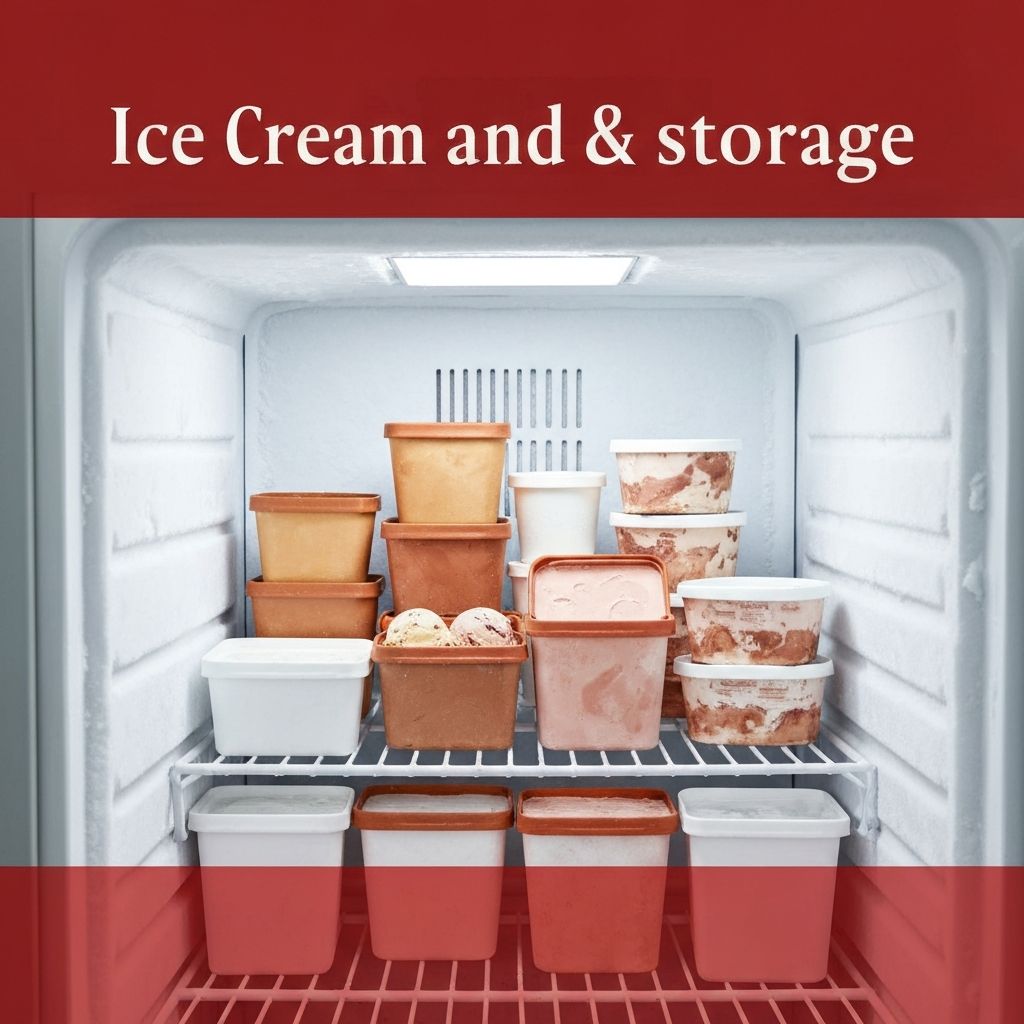
How Long Can You Keep Ice Cream in the Freezer?
Ice cream is one of the most beloved frozen treats in the world, but even this frozen delight doesn't last forever. While the freezer can preserve food for extended periods, ice cream's quality, texture, and flavor degrade over time. Understanding how long ice cream lasts and how to store it properly can help you enjoy every last scoop at its best.
An unopened container of commercially produced ice cream can last in the freezer for about two to three months past the date printed on the container. Once opened, ice cream is best consumed within one to two months for optimal quality. However, these are guidelines for quality rather than safety — ice cream that has been continuously stored at 0°F (-18°C) or below will remain safe to eat indefinitely, though its taste and texture will deteriorate significantly over time.
Factors That Affect Ice Cream's Shelf Life
Several factors influence how long your ice cream stays fresh and enjoyable. The temperature of your freezer is the most critical factor. Ice cream should be stored at 0°F (-18°C) or colder. If your freezer runs warmer than this — which is common in frost-free freezers that cycle through warming periods to prevent ice buildup — your ice cream will deteriorate faster.
The type of ice cream also matters. Premium ice cream brands with higher fat content tend to hold up better over time than low-fat or fat-free varieties. The fat in ice cream acts as a stabilizer, helping maintain smooth texture and preventing the formation of large ice crystals. Dairy-free and plant-based ice creams may have different shelf lives depending on their specific ingredients and stabilizers.
How often you take the container in and out of the freezer also impacts shelf life. Every time ice cream is removed from the freezer, it begins to soften. When returned to the freezer, it refreezes with a slightly different crystal structure, leading to the development of ice crystals and a grainy texture. This freeze-thaw cycle is the primary enemy of ice cream quality.
Signs That Ice Cream Has Gone Bad
While ice cream doesn't "expire" in the same way that perishable foods like milk or meat do, there are clear signs that it's past its prime. The most common indicator is the formation of ice crystals on the surface and throughout the container. A thin layer of frost on the surface is normal and can be scraped off, but thick, icy layers throughout the ice cream indicate significant quality degradation.
Another telltale sign is a change in texture. Fresh ice cream should be smooth and creamy when scooped. If your ice cream has become gummy, chewy, or has a sandy, grainy texture, it has undergone significant structural changes and won't taste as good. The presence of an off-putting or stale smell is also a red flag — fresh ice cream has a pleasant, sweet aroma, and any sour or unpleasant odors indicate spoilage.
Visual changes can also signal that ice cream should be discarded. If you notice any discoloration, unusual spots, or a yellowish tint on vanilla ice cream, these could indicate bacterial growth or chemical changes. While rare in properly stored ice cream, these signs warrant disposal of the product.
The Science Behind Ice Cream Degradation
Understanding why ice cream deteriorates can help you better preserve it. Ice cream is a complex emulsion of water, fat, sugar, and air. The smooth, creamy texture you enjoy is the result of tiny ice crystals, fat globules, and air bubbles all held in careful balance. When this balance is disrupted, the quality suffers.
The primary degradation mechanism is a process called Ostwald ripening, where larger ice crystals grow at the expense of smaller ones. This happens naturally over time but is accelerated by temperature fluctuations. As small ice crystals melt during temperature increases and refreeze during cooling, the water molecules preferentially attach to larger crystals, making them bigger and creating the grainy texture associated with old ice cream.
Sublimation is another factor. In frost-free freezers, the periodic warming cycles cause ice on the surface of the ice cream to sublimate (turn directly from solid to gas). This is what causes the parchment-like, dehydrated layer you sometimes find on the surface of ice cream that's been in the freezer too long — commonly known as freezer burn.
Best Practices for Storing Ice Cream
Proper storage can significantly extend the quality life of your ice cream. The most important rule is to keep your freezer at a consistent temperature of 0°F (-18°C) or below. Use a freezer thermometer to verify the temperature, especially if your freezer is older or frequently opened.
Store ice cream in the main body of the freezer rather than in the door. The door is the warmest part of the freezer and experiences the most temperature fluctuation from being opened and closed. Placing your ice cream toward the back of the freezer where temperatures are most stable will help maintain its quality.
After serving, return the ice cream to the freezer as quickly as possible. Press a piece of plastic wrap or wax paper directly onto the surface of the ice cream before replacing the lid. This creates a barrier that prevents air exposure and reduces the formation of ice crystals and freezer burn on the surface.
Consider transferring ice cream to a smaller container as you consume it. A half-empty container is full of air, which promotes freezer burn and ice crystal formation. By moving the remaining ice cream to a smaller container that it fills completely, you minimize air exposure and keep the ice cream fresher longer.
Homemade Ice Cream vs. Store-Bought
Homemade ice cream has a notably shorter shelf life than commercially produced ice cream. Without the commercial stabilizers, emulsifiers, and preservatives used in store-bought varieties, homemade ice cream is best consumed within one to two weeks of being made. After this period, it tends to become very hard and develop a significant amount of ice crystals.
Commercial ice cream manufacturers use ingredients like guar gum, carrageenan, and mono- and diglycerides to stabilize the ice cream's structure and slow the degradation process. These additives help the ice cream maintain its smooth texture for much longer than a simple homemade recipe would. Some manufacturers also use processes like flash freezing, which creates smaller ice crystals and a smoother initial texture.
When to Throw It Out
While the guidelines above focus on quality, there are situations where ice cream should be discarded for safety reasons. If your ice cream has thawed completely and been left at room temperature for more than two hours, it should not be refrozen and consumed. Dairy products can harbor harmful bacteria when kept in the temperature danger zone (40°F to 140°F) for extended periods.
If you've experienced a power outage and your ice cream has partially or fully thawed, use your judgment based on how long the power was out and how warm the freezer got. If the ice cream still contains ice crystals and feels cold to the touch, it's generally safe to refreeze, though the quality will suffer. If it has completely liquefied and warmed up, it's best to discard it.
In conclusion, while ice cream can technically last indefinitely in a properly maintained freezer, its quality is best within the first two months of opening. By following proper storage techniques and being mindful of temperature fluctuations, you can enjoy your favorite frozen treat at its delicious best for as long as possible.
