
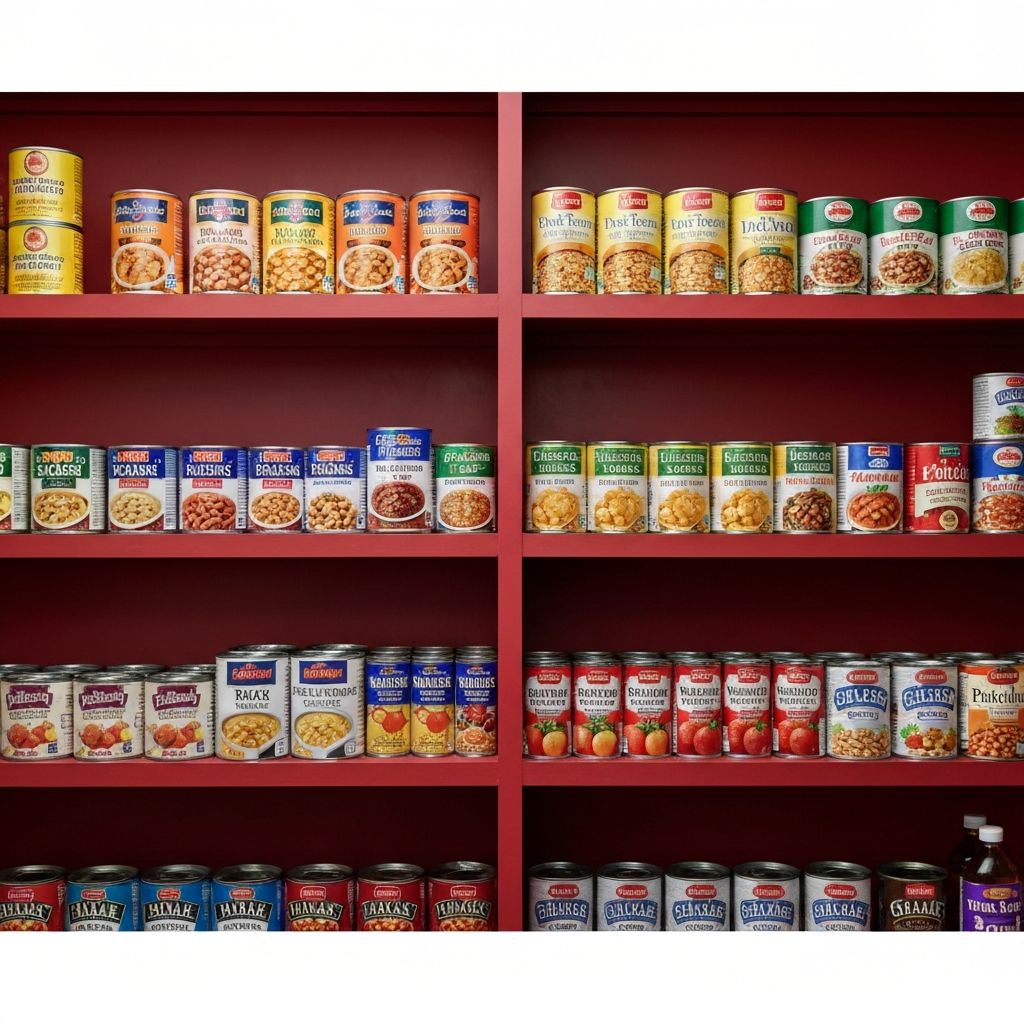
The Remarkable Shelf Life of Canned Food
Canning is one of humanity's most effective methods of food preservation, a technology that has been keeping food safe and edible for over 200 years since Nicolas Appert first developed the process in early 19th-century France. Today, canned foods are a cornerstone of pantries worldwide, valued for their long shelf life, convenience, and nutritional value. But just how long does canned food actually last, and is it still safe to eat after the date printed on the can? These are questions that millions of consumers ask, and the answers may surprise you.
The general consensus among food safety experts is that commercially canned foods, when stored properly, can last between two and five years from the date of manufacture. However, many canned foods remain safe to eat well beyond this timeframe, even if their quality may diminish over time. Understanding the difference between safety and quality is key to making smart decisions about the canned goods in your pantry.
Understanding Canned Food Dates
One of the most common sources of confusion about canned food shelf life is the date stamped on the can. These dates, which may appear as "best by," "best before," "use by," or "sell by" dates, are not expiration dates in the way most consumers understand them. In the United States, with the exception of infant formula, date labeling on food products is not required by federal law and generally represents the manufacturer's estimate of when the product will be at peak quality, not the date after which it becomes unsafe.
A "best by" or "best before" date indicates when the product is expected to be at its best flavor and texture. A "sell by" date is intended for retailers and tells them when to remove the product from store shelves. A "use by" date is the manufacturer's recommendation for consuming the product for best quality. None of these dates indicate that the food becomes unsafe after the specified date, assuming the can has been stored properly and shows no signs of damage or spoilage.
Shelf Life by Type of Canned Food
Different types of canned foods have different optimal shelf lives due to variations in their composition, acidity, and processing methods. High-acid canned foods, such as tomatoes, tomato sauce, fruits, fruit juices, pickles, sauerkraut, and vinegar-based foods, have a recommended shelf life of 12 to 18 months. The higher acidity in these foods can gradually affect the flavor and texture over time, and in some cases, the acid can interact with the can's lining, potentially affecting quality.
Low-acid canned foods, which include most vegetables, meats, poultry, fish, soups, stews, and pasta sauces, have a longer recommended shelf life of two to five years. The lower acidity of these foods means they are less likely to experience quality degradation from acid-can interactions. Canned meats and fish, such as tuna, salmon, chicken, and spam, are among the longest-lasting canned foods when stored properly.
Canned goods with a combination of ingredients, like condensed soups or chili, fall somewhere in between, with a recommended shelf life of two to three years. Home-canned foods generally have a shorter recommended shelf life of one year, though they may remain safe longer if proper canning procedures were followed.
The Science Behind Canning Preservation
The reason canned food lasts so long is the combination of heat treatment and an airtight seal. During commercial canning, food is placed in cans and heated to temperatures high enough to destroy all bacteria, yeasts, molds, and other microorganisms that cause food spoilage and foodborne illness. For low-acid foods, this means heating to 250 degrees Fahrenheit (121 degrees Celsius) under pressure, which is hot enough to destroy Clostridium botulinum spores, the most heat-resistant pathogenic organism of concern in canning.
Once sterilized, the can is sealed airtight, preventing any new microorganisms from entering. As long as the seal remains intact, the food inside the can remains sterile and safe to eat indefinitely from a food safety standpoint. This is why properly canned food does not technically "expire" in the traditional sense. The quality, including flavor, texture, color, and nutritional value, may gradually decline over time, but the food remains safe as long as the can's integrity is maintained.
Proper Storage for Maximum Shelf Life
How you store your canned goods significantly affects how long they maintain their quality. The ideal storage conditions for canned food are cool, dry, and dark. A temperature between 50 and 70 degrees Fahrenheit (10 to 21 degrees Celsius) is optimal. Higher temperatures accelerate quality degradation, while temperatures below freezing can potentially compromise the can's seal as the contents expand.
Avoid storing canned goods in areas that experience extreme temperature fluctuations, such as garages, attics, or near ovens, dishwashers, or heating vents. Humidity should be kept low, as moisture can cause external rust that may eventually compromise the can's integrity. Store cans away from direct sunlight, which can cause temperature fluctuations and accelerate quality loss. Keep canned goods off the floor, at least six inches up, and away from walls to prevent moisture damage and pest access.
Signs That Canned Food Has Gone Bad
While properly stored canned food can last for years, it is important to know the warning signs that indicate a can should not be opened or consumed. Never eat food from a can that exhibits any of the following signs: bulging or swollen lids or sides, which may indicate bacterial growth and gas production inside the can; leaking or seeping of any liquid around the seams or lid; severe denting, especially along the seams, which may have compromised the seal; rust that has eaten through the metal, creating pinholes or weakened areas; and a hissing sound or spray of liquid when opened, which indicates pressure buildup from bacterial activity.
When you open a can, additional warning signs include an off or unpleasant odor that is unusual for the product, foam or bubbles in the liquid that are not normally present, an unusual color or appearance that differs from what you would expect, and a sour, fermented, or otherwise off taste. If you notice any of these signs, do not taste the food. Discard it immediately and safely. When in doubt, throw it out. The risk of botulism or other foodborne illness from contaminated canned food is serious and potentially life-threatening.
Nutritional Value of Canned Foods
A common misconception about canned food is that it is nutritionally inferior to fresh or frozen alternatives. While the canning process does cause some loss of heat-sensitive nutrients like vitamin C and certain B vitamins, canned foods retain most of their nutritional value remarkably well. In some cases, canned foods may even be more nutritious than their fresh counterparts that have been transported over long distances and stored for extended periods before consumption.
Canned tomatoes, for example, contain higher levels of the antioxidant lycopene than fresh tomatoes because the heat of the canning process breaks down cell walls and makes lycopene more bioavailable. Similarly, canned beans are an excellent source of protein, fiber, and essential minerals that are well-preserved through the canning process. When selecting canned foods, look for options with no added salt or sugar, and rinse canned vegetables and beans before use to reduce sodium content by up to 40 percent.
Emergency Preparedness and Canned Food
Canned food plays a vital role in emergency preparedness planning. Organizations like the Federal Emergency Management Agency (FEMA) and the American Red Cross recommend maintaining at least a three-day supply of non-perishable food for each family member as part of an emergency preparedness kit. Canned foods are ideal for this purpose due to their long shelf life, durability, and the fact that many can be eaten without cooking or preparation. When building an emergency food supply, practice FIFO rotation by incorporating your stored canned goods into regular meal planning and replacing them with newer purchases. This ensures your emergency supply remains fresh and usable while preventing waste from expired products.
