
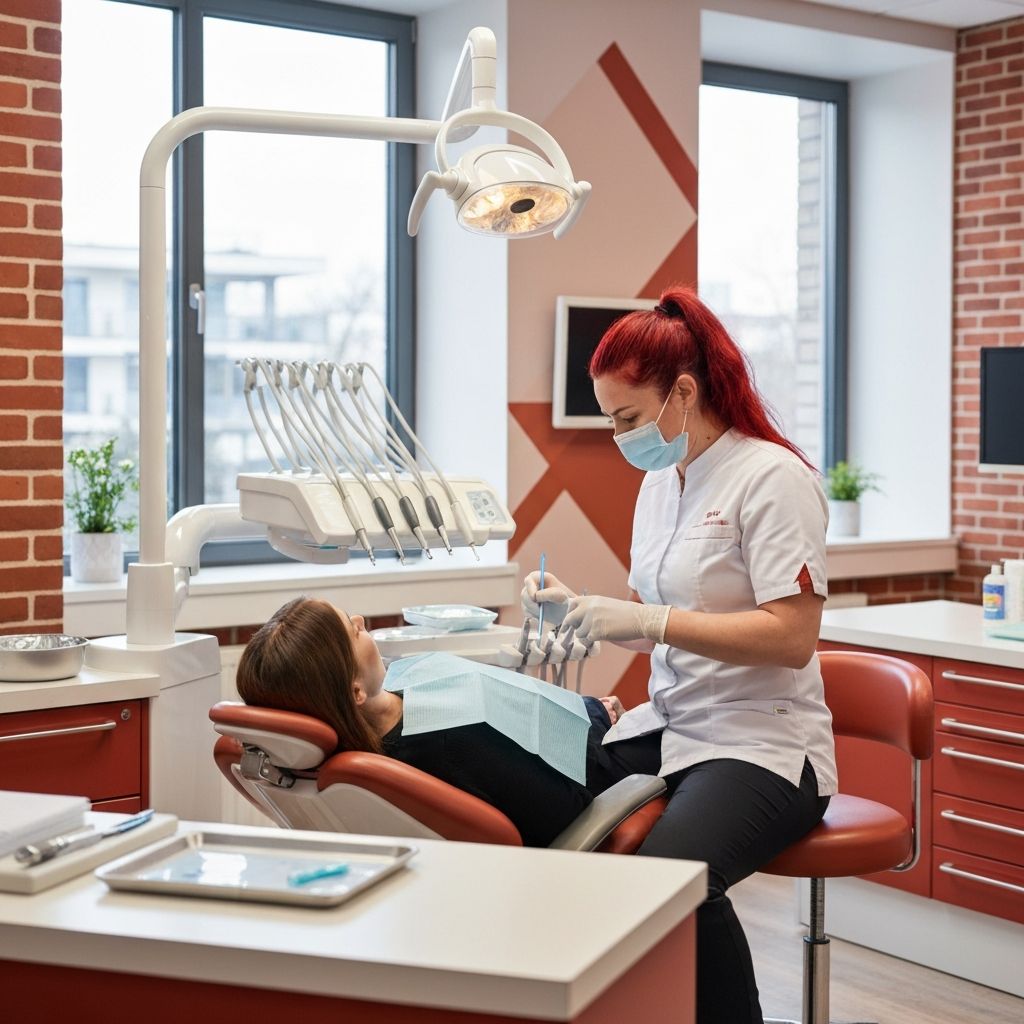
Overview of Dental Cleaning Duration
A routine dental cleaning is one of the most important preventive healthcare appointments you can keep, yet many people are unsure about how long the process actually takes. The duration of a dental cleaning can vary depending on several factors, but a standard prophylactic cleaning for a patient with generally healthy gums typically takes between 30 and 60 minutes. This time includes not only the actual cleaning but also an examination, X-rays if needed, and a discussion of your oral health with the dental professional.
Understanding what to expect during a dental cleaning can help alleviate anxiety and allow you to plan your schedule accordingly. Whether you are visiting the dentist for the first time in a while or are a regular patient, knowing the typical timeline and procedures involved can make the experience more comfortable and less stressful.
Types of Dental Cleanings
Not all dental cleanings are the same, and the type of cleaning you receive will significantly impact the duration of your appointment. The most common type is a prophylactic cleaning, also known as a routine or preventive cleaning. This is the standard cleaning performed on patients with generally healthy gums and no significant buildup of tartar or plaque. A prophylactic cleaning typically takes 30 to 45 minutes and is recommended every six months for most patients.
A full mouth debridement is a more extensive cleaning performed on patients who have not had a dental cleaning in a long time and have significant accumulations of plaque and tartar. This type of cleaning can take 60 to 90 minutes or more, as the dental professional must remove hardened deposits from all tooth surfaces before a thorough examination can be performed. In some cases, a full mouth debridement may need to be completed over two separate appointments.
Scaling and root planing, also known as a deep cleaning, is a therapeutic procedure performed on patients who show signs of periodontal (gum) disease. This procedure involves cleaning below the gum line to remove plaque and tartar from the tooth roots and smoothing the root surfaces to promote healing. Scaling and root planing is typically performed in two to four appointments, with each appointment lasting 45 to 90 minutes, depending on the severity of the disease and the number of teeth being treated.
Periodontal maintenance cleanings are specialized cleanings performed on patients who have been treated for periodontal disease and require more frequent and thorough cleanings to maintain their oral health. These cleanings are typically recommended every three to four months and take 45 to 60 minutes. They involve a combination of prophylactic cleaning above the gum line and deeper cleaning below the gum line in areas where periodontal disease has been present.
What Happens During a Dental Cleaning
A standard dental cleaning follows a predictable sequence of steps, each contributing to the overall duration of the appointment. The process typically begins with a review of your medical and dental history, including any medications you are taking, changes in your health since your last visit, and any concerns or symptoms you want to discuss with the dental professional.
Next, the dental hygienist will perform a physical examination of your mouth, using a small mirror to check for signs of inflammation, decay, or other concerns. If your dentist has ordered X-rays, these may be taken at the beginning of the appointment to provide a comprehensive picture of your oral health, including areas between teeth and below the gum line that are not visible during a visual examination.
The cleaning itself begins with scaling, the process of removing plaque and tartar from the tooth surfaces. The hygienist uses specialized instruments, including an ultrasonic scaler that uses vibrations and water to loosen and remove deposits, and hand scalers and curettes for more precise cleaning. The time required for scaling depends on the amount of buildup present, with patients who maintain good oral hygiene requiring less time than those with significant deposits.
After scaling, the hygienist polishes the teeth using a rotating rubber cup and a mildly abrasive prophylactic paste. This step removes surface stains and smooths the tooth enamel, making it more difficult for plaque to accumulate. The polishing process typically takes just a few minutes and leaves the teeth feeling clean and smooth.
Flossing follows the polishing, with the hygienist using dental floss to clean between all teeth and remove any remaining debris or paste. This step also allows the hygienist to identify any areas where the gums bleed easily, which may indicate early signs of gum disease.
The appointment concludes with a fluoride treatment, which may be offered in the form of a gel, foam, varnish, or rinse. Fluoride strengthens the tooth enamel and helps protect against decay. The treatment is applied and left in contact with the teeth for a specified period, usually one to four minutes, depending on the type of fluoride used.
Factors That Affect Cleaning Duration
Several factors can influence how long your dental cleaning takes. The most significant is the overall condition of your oral health. Patients with excellent oral hygiene who brush and floss regularly and visit the dentist every six months typically require shorter cleaning appointments, as there is less plaque and tartar to remove. Conversely, patients with poor oral hygiene or those who have not had a cleaning in an extended period may require longer appointments to address the accumulated buildup.
The presence of periodontal disease also affects the duration. Patients with gum disease may require additional time for deeper cleaning below the gum line, as well as more frequent appointments to manage the condition. The severity and extent of the disease determine the additional time required.
Dental restorations such as crowns, bridges, implants, and orthodontic appliances can also extend the cleaning time. These structures create additional surfaces that need to be cleaned and can make it more difficult for the hygienist to access certain areas. Patients with extensive dental work should expect their cleanings to take somewhat longer than average.
Your personal comfort and anxiety level can also affect the duration of the appointment. Patients who are anxious or have sensitive teeth may require more breaks during the cleaning, and the hygienist may need to work more slowly and gently to ensure comfort. Communication with your dental team about your comfort level is important and can help the appointment go more smoothly.
The Importance of Regular Dental Cleanings
Regular dental cleanings are essential for maintaining oral health and preventing more serious dental problems. Professional cleanings remove plaque and tartar that cannot be adequately removed by brushing and flossing alone, particularly in hard-to-reach areas such as between teeth and below the gum line. By removing these deposits regularly, dental cleanings help prevent tooth decay, gum disease, and the associated complications, including tooth loss, bone loss, and systemic health effects.
Research has increasingly linked poor oral health to a range of systemic health conditions, including cardiovascular disease, diabetes, respiratory infections, and adverse pregnancy outcomes. Regular dental cleanings, along with good daily oral hygiene practices, can help reduce the risk of these conditions and contribute to overall health and well-being.
Dental cleanings also provide an opportunity for early detection of oral health problems. During the examination that accompanies each cleaning, the dentist or hygienist can identify early signs of decay, gum disease, oral cancer, and other conditions that may not yet be causing symptoms. Early detection allows for more conservative and effective treatment, potentially saving time, money, and discomfort in the long run.
Tips for a Faster Dental Cleaning
While you cannot completely control how long your dental cleaning takes, there are steps you can take to help ensure that the process is as efficient as possible. The most important is maintaining good oral hygiene between visits. Brushing twice a day with fluoride toothpaste, flossing daily, and using an antiseptic mouthwash can significantly reduce the amount of plaque and tartar that accumulates on your teeth, making the cleaning faster and more comfortable.
Keeping your regular cleaning appointments is also important. Patients who visit the dentist every six months, or more frequently if recommended, generally require shorter cleaning appointments than those who go longer between visits. Consistent care prevents the buildup of significant deposits and allows the dental team to address any emerging issues before they become more serious.
Arriving at your appointment on time and with your medical and dental history up to date can also help streamline the process. If you have any changes in your health or medications since your last visit, be sure to inform the dental office in advance or bring a written summary to your appointment.
Conclusion
A standard dental cleaning typically takes between 30 and 60 minutes, though the exact duration depends on the type of cleaning, your oral health status, and other individual factors. More extensive cleanings, such as deep cleanings for periodontal disease, can take longer and may require multiple appointments. Regardless of the time involved, regular dental cleanings are a vital investment in your oral and overall health. By maintaining good oral hygiene and keeping your regular dental appointments, you can help ensure that your cleanings are efficient, comfortable, and effective in keeping your smile healthy for years to come.
