
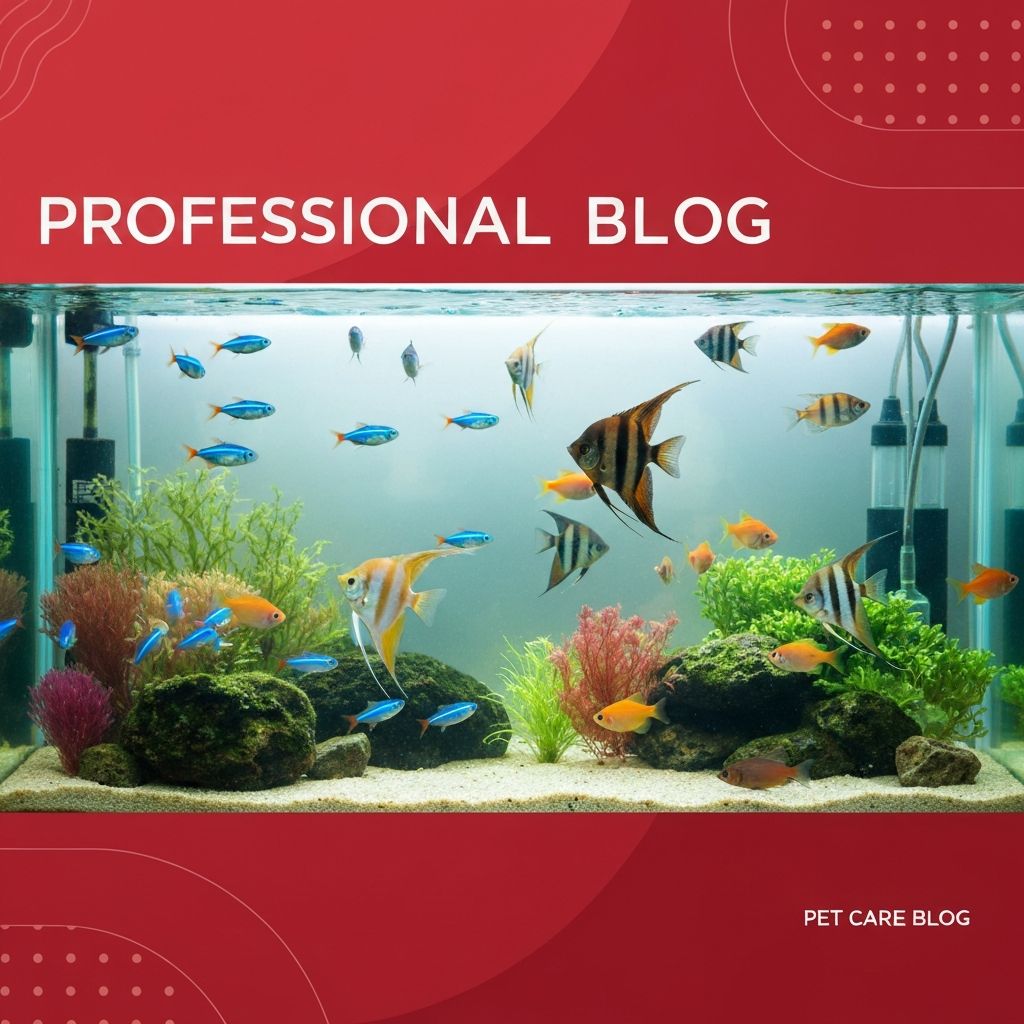
Understanding Fish Feeding and Fasting
Whether you are planning a vacation, dealing with a temporary supply shortage, or simply curious about your aquatic pets' resilience, understanding how long fish can go without food is valuable knowledge for every fish owner. The answer varies significantly depending on the species, size, age, health, and environmental conditions of the fish, but most healthy adult aquarium fish can survive without food for longer periods than many owners expect.
Fish are cold-blooded (ectothermic) animals, meaning their metabolic rate is directly influenced by water temperature. This characteristic gives them a significant advantage over warm-blooded animals when it comes to surviving without food, as they require less energy to maintain their body functions and can effectively slow down their metabolism in cooler conditions.
General Guidelines by Fish Type
Most healthy adult tropical aquarium fish can go without food for one to two weeks without significant health consequences. This includes popular species like tetras, guppies, mollies, angelfish, and barbs. These fish have evolved in environments where food availability can be irregular, giving them some natural ability to tolerate temporary fasting periods.
Larger fish and species with greater fat reserves can generally survive longer without food. Oscars, large cichlids, and catfish can potentially go three to four weeks without eating, though this is not recommended and can lead to health issues. Their larger body mass provides more energy reserves to draw upon during fasting periods.
Goldfish are particularly hardy in this regard. Healthy adult goldfish can survive two to three weeks without food, partly due to their ability to forage on algae and microorganisms that naturally occur in established aquariums. Koi, their larger cousins, can survive even longer, particularly in outdoor ponds where natural food sources are available.
Bettas (Siamese fighting fish) can typically survive ten to fourteen days without food. Despite their small size, bettas are labyrinth fish with the ability to breathe atmospheric air, which gives them certain survival advantages. However, prolonged fasting can stress their immune system and make them susceptible to disease.
Factors That Affect Fasting Tolerance
Several variables influence how long a specific fish can survive without food. Understanding these factors helps you assess your own fish's tolerance and plan accordingly for periods when regular feeding may not be possible.
Fish size and species play the most significant roles. Larger fish have proportionally more energy reserves relative to their metabolic needs. Wild-type species and those bred closer to their natural ancestors tend to be hardier than highly bred ornamental varieties. For example, a wild-type guppy may tolerate fasting better than a fancy show guppy with elaborate fins and coloring.
Water temperature directly affects metabolic rate and therefore food requirements. Fish in cooler water (within their safe range) burn calories more slowly and can survive longer without food. This is why pond fish in temperate climates can naturally survive winter months with minimal feeding. Conversely, fish in warmer water have higher metabolic rates and will deplete their energy reserves faster.
The age and health status of the fish are also critical factors. Young, growing fish and fry have minimal energy reserves and cannot tolerate fasting as well as healthy adults. Sick, stressed, or recently introduced fish are also less able to cope with food deprivation, as their bodies are already under strain.
What Happens When Fish Do Not Eat
Understanding the physiological effects of fasting helps explain why some periods without food are manageable while extended fasting becomes dangerous. During the initial days without food, fish rely on glycogen stored in their liver and muscles for energy. This is similar to how humans use stored glycogen during short-term fasting.
As glycogen reserves are depleted (typically within the first few days), fish begin metabolizing fat stores for energy. Healthy, well-fed fish usually have adequate fat reserves to sustain them for one to two weeks. This phase of fasting is generally not harmful and is similar to what many fish experience seasonally in the wild.
If fasting continues beyond the point where fat reserves are exhausted, the body begins breaking down muscle tissue for energy, a process called catabolism. This stage is dangerous and can lead to permanent organ damage, severely compromised immune function, and eventually death. The goal is always to resume feeding before fish reach this stage.
Vacation Feeding Solutions
For short trips of three to four days, the simplest and often best approach is to simply not feed your fish at all. Healthy adult fish will easily handle a few days without food, and overfeeding before departure (a common mistake) can actually cause more problems than brief fasting, including water quality deterioration from excess uneaten food.
For vacations of one to two weeks, several options exist. Automatic fish feeders are electronic devices that dispense pre-measured amounts of food at programmed intervals. These devices vary in reliability and price, so research and test your chosen feeder before depending on it during vacation. Set it up several days before your trip to ensure it functions correctly.
Vacation feeder blocks, sometimes called "weekend feeders" or "vacation feeders," are compressed blocks of food embedded in a calcium or plaster matrix that slowly dissolves in the aquarium. While convenient, these products have drawbacks: they can cloud water, alter pH, and may not provide adequate nutrition for all species. Many experienced aquarists advise against them.
Having a trusted friend or neighbor feed your fish is another option, but this comes with its own risks. Well-meaning but inexperienced fish sitters often overfeed, sometimes dramatically, leading to water quality problems that can be more dangerous than short-term fasting. If you choose this route, pre-portion meals into individual containers labeled by date and provide clear instructions about portion sizes.
Preparing Your Tank for Your Absence
Regardless of your feeding solution, preparing your aquarium before an absence maximizes your fish's health and safety. Perform a water change of 25 to 30 percent one or two days before your departure. This ensures optimal water quality at the start of your absence and gives the tank's biological filtration time to stabilize.
Check all equipment before leaving, including the filter, heater, air pump, and lighting timer. A filter failure during your absence could be far more dangerous than a few days without food. Clean or replace filter media if needed, but avoid doing this on the same day as a water change to prevent disrupting beneficial bacteria.
Reduce lighting duration to eight to ten hours per day using a timer. Less light means less algae growth and slightly reduced fish activity, which decreases their caloric needs. If your tank has live plants, they will continue to process waste and produce oxygen, contributing to water quality stability.
Signs of Malnutrition in Fish
Knowing the signs of malnutrition helps you assess whether your fish have been underfed and need nutritional rehabilitation. Common signs include a noticeably thin or sunken belly, loss of color vibrancy, lethargy and reduced activity, fraying or deteriorating fins, and increased susceptibility to disease.
If you notice these signs after a period without feeding, resume feeding gradually rather than offering large amounts of food all at once. Start with small portions and gradually increase to normal feeding levels over several days. Offering a variety of high-quality foods, including both dry and frozen options, helps fish recover their nutritional balance more quickly.
Persistent signs of malnutrition despite normal feeding may indicate other problems, such as internal parasites, disease, or water quality issues. If a fish continues to appear malnourished despite adequate food, consult with a veterinarian who specializes in aquatic animals or an experienced aquarist for guidance.
Establishing a Healthy Feeding Routine
Prevention is always better than emergency management. Establishing a consistent, appropriate feeding routine keeps your fish healthy and builds their resilience for any periods when feeding might be disrupted. Most aquarium fish do well with one to two feedings per day, with each feeding providing only as much food as the fish can consume within two to three minutes.
Vary your fish's diet to ensure complete nutrition. A base diet of high-quality flakes or pellets supplemented with frozen or freeze-dried foods like bloodworms, brine shrimp, and daphnia provides a balanced nutritional profile. Some fish also benefit from vegetable-based foods like blanched zucchini, spinach, or spirulina-based preparations.
Resist the temptation to overfeed. Overfeeding is one of the most common mistakes in fishkeeping and causes more problems than occasional underfeeding. Excess food decomposes in the tank, producing ammonia and nitrites that degrade water quality and can harm or kill fish. A slightly hungry fish is almost always healthier than an overfed one.
